A wood-destroying insect issue can turn a promising Houston-area home into an expensive repair project. So, who pays for termite inspection? In most Texas home purchases, the buyer pays for the inspection as part of pre-purchase due diligence. But the final answer can change based on the purchase contract, negotiation, lender requirements, and whether the inspection finds evidence of active infestation or damage.
The modest cost of a wood-destroying insect inspection can be far easier to manage than discovering hidden damage after closing. Don’t Buy Blind. Knowing who is responsible for the inspection, treatment, repairs, and any required documentation helps you protect your investment before the transaction moves forward.
Who Pays for Termite Inspection in a Texas Home Sale?
Usually, the buyer orders and pays for a termite inspection, often called a wood-destroying insect or WDI inspection. Buyers commonly schedule it during the contract option period, along with the general home inspection and any specialized evaluations they need.
This approach gives the buyer control. You can choose a qualified inspector, receive the report directly, and decide how to respond to the findings before your option period expires. A seller may offer a previous WDI report, but a new inspection is often the better protection, particularly when the report is older, the property has had moisture concerns, or the home is in an area where termite activity is common.
That said, buyers do not always carry the cost. A seller may agree to pay for the inspection as a negotiated contract term, as a concession, or after concerns arise during the general inspection. In a competitive market, a seller may be less willing to cover upfront inspection costs. In a slower market, they may be more open to it.
Inspection Cost Is Different From Treatment and Repairs
The question is not only who pays for the termite inspection. It is also who pays if the inspector finds a problem.
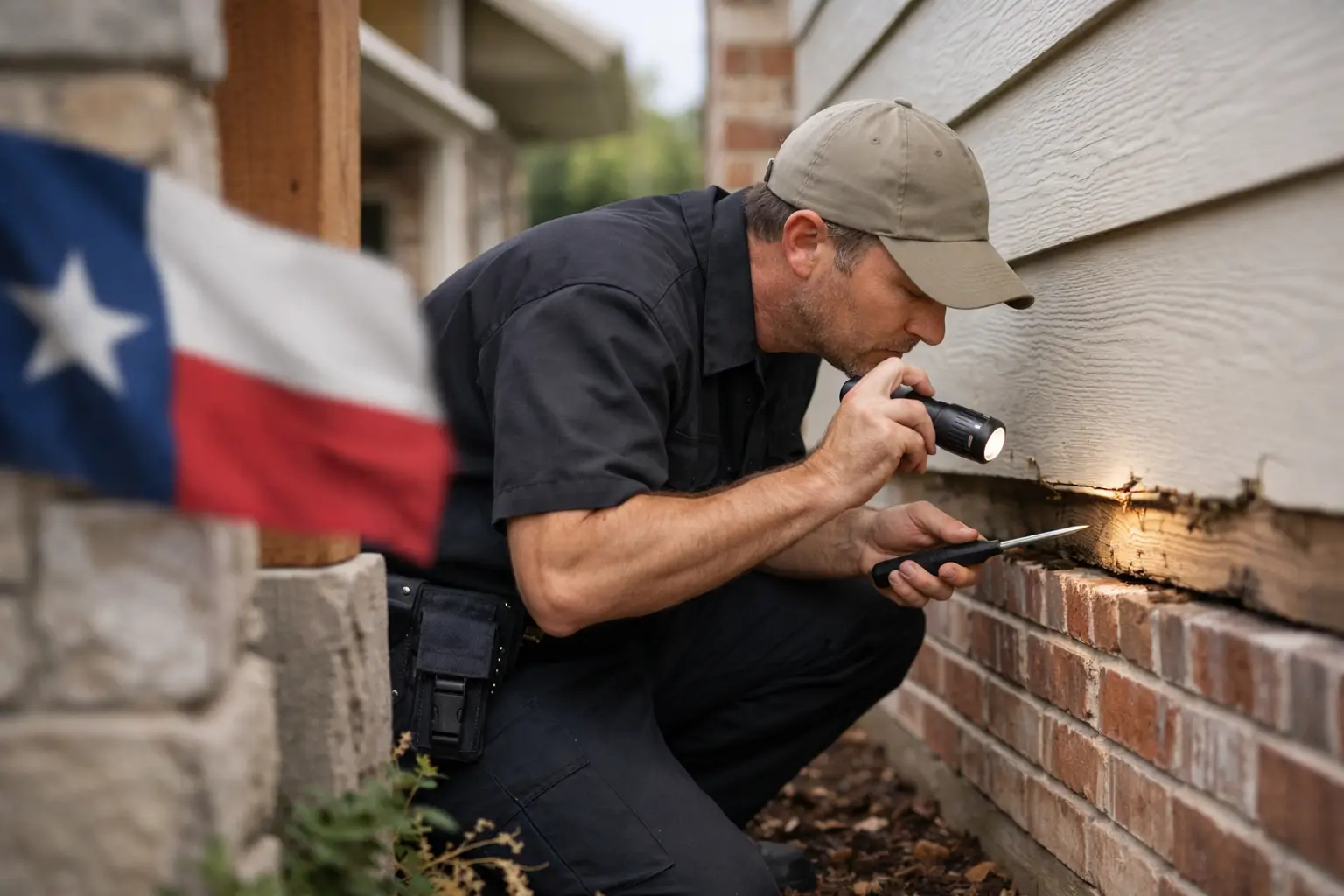
A WDI inspection looks for visible evidence of termites and other wood-destroying insects, such as carpenter ants or wood-boring beetles. It may also identify conditions that make infestation more likely, including wood-to-soil contact, excessive moisture, poor drainage, or inaccessible areas where the full condition cannot be confirmed.
If the inspection finds active termites, prior damage, or conditions needing further evaluation, the buyer can request that the seller address the issue. The seller might agree to pay for treatment, complete repairs, provide a credit at closing, reduce the sales price, or decline the request. The Texas purchase contract and the buyer’s option period give buyers an important opportunity to negotiate or, when necessary, terminate under the terms of their agreement.
There is no automatic rule that makes the seller responsible for every termite-related expense. A seller’s responsibility depends on what the contract says, the nature of the finding, how significant the damage is, and what both parties can agree on.
For example, an active infestation is usually a more compelling repair request than old evidence of past treatment with no visible current activity. Extensive structural deterioration may require a contractor or structural specialist to determine the true repair scope and cost. A treatment proposal alone does not necessarily explain whether framing, trim, subflooring, or other building components have been damaged.
What Sellers May Be Expected to Disclose
Texas sellers are generally required to provide a Seller’s Disclosure Notice for many residential transactions. That disclosure may include information about prior termite damage, past treatment, or repairs the seller knows about. It is useful information, but it should not replace an independent inspection.
A disclosure reflects what the seller knows. It does not guarantee that there are no hidden issues, missed conditions, or new pest activity. Termites can remain concealed behind wall coverings, beneath flooring, inside framing, and in areas that are difficult to access. Even a home with no reported history can have current conditions that deserve attention.
If the seller discloses prior termite treatment, ask practical follow-up questions. Was the treatment completed by a licensed company? Is there a transferable service agreement or warranty? Were repairs made, and are records available? A history of treatment is not automatically a reason to walk away, but it is a reason to get clear documentation and a current inspection.
Lender and VA Loan Requirements Can Change the Answer
Some lenders require a WDI inspection for certain loans, property types, or locations. Others may require one only when the appraiser, insurer, general inspector, or buyer raises a concern. Your lender can explain what documentation is needed for your specific loan, but do not wait until the final days before closing to ask.
VA buyers should be especially careful about confirming current lender and VA requirements. Pest inspection payment rules and allowable closing costs can depend on the loan program, lender guidance, and local practices. In some cases, the buyer may be permitted to pay; in others, the seller or another party may agree to cover the cost. Your loan officer and real estate agent can help confirm the current rules before the inspection is ordered.
Even when a lender does not require a termite inspection, the buyer may still benefit from one. Lender approval is not the same as confidence in the home’s condition. The goal is to avoid a costly surprise after you own the property.
When It Makes Sense for the Buyer to Pay
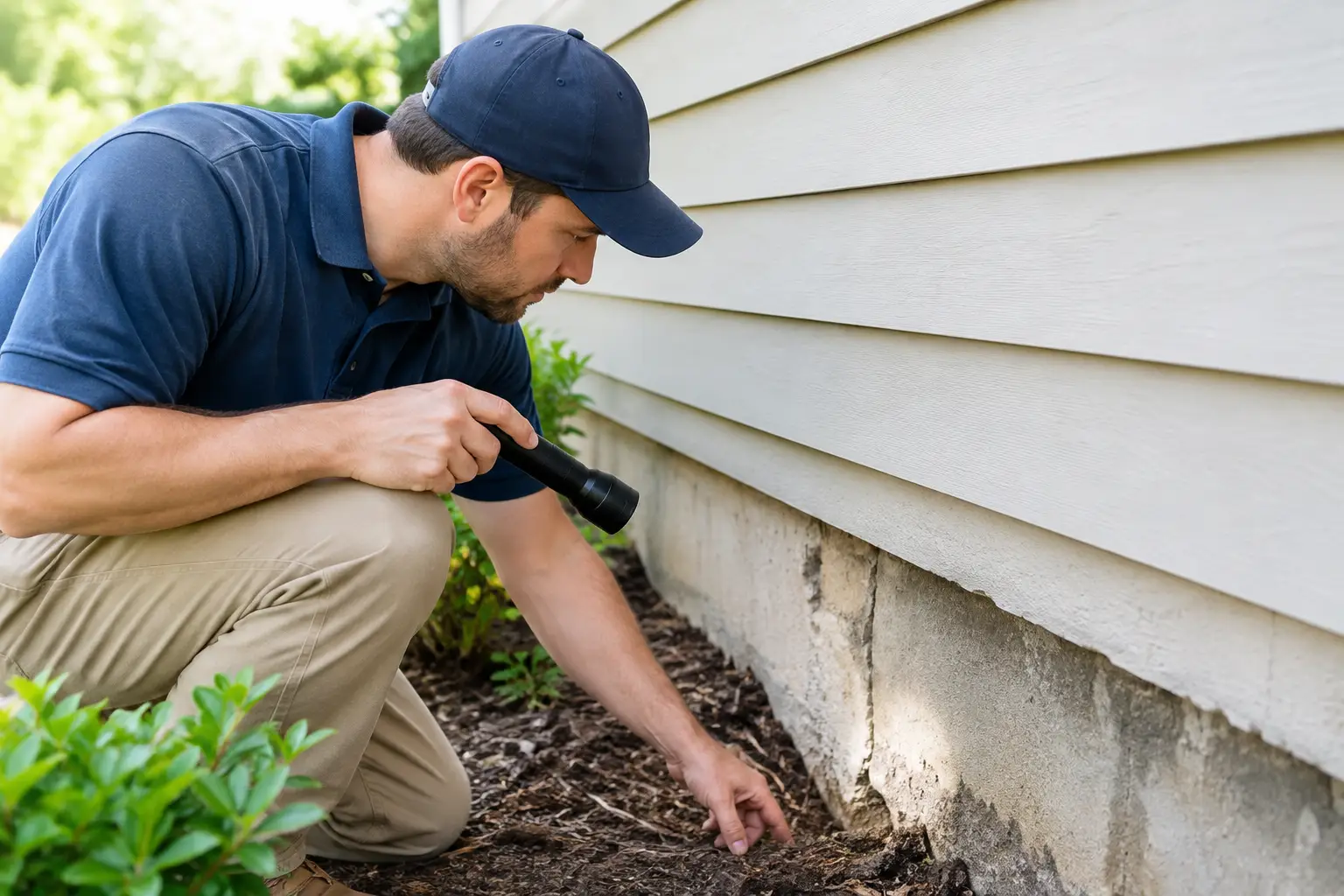
Paying for your own WDI inspection is often the clearest path to an independent assessment. It is particularly worthwhile when you see signs of moisture intrusion, deteriorated exterior wood, mulch or soil built up against siding, standing water near the foundation, or visible mud tubes. Older homes and properties with extensive wood framing, decks, fences, or landscaping close to the structure may also deserve closer attention.
A general home inspection can identify visible signs that warrant further investigation, but a dedicated WDI inspection is performed for a different purpose. At CK Inspections, buyers can add a wood-destroying insect inspection to build a more complete picture of the property before closing. The right combination of services depends on the home, its age, visible conditions, and your tolerance for repair risk.
The buyer-paid approach also prevents confusion about who the inspector works for. When you order the inspection, you receive the findings and can use them to make an informed decision. If the report reveals concerns, you can then decide whether to request treatment, repairs, a credit, additional evaluation, or a change in contract terms.
How to Handle a Termite Finding Before Closing
If a WDI report identifies a concern, avoid rushing straight to a dollar amount. First, understand exactly what was found. Is there active infestation, old damage, conducive conditions, or a combination of these? Is the area accessible and visible? Does the report recommend treatment, repair evaluation, or both?
Next, gather the information needed to make a practical repair request. A licensed pest-control professional can provide treatment recommendations, while a qualified contractor may need to assess damaged building materials. If significant structural damage is suspected, a structural specialist may be appropriate. Keeping the treatment and repair questions separate makes it easier to understand the real scope of the issue.
Your real estate agent can help present a focused request within the option period. A reasonable request is tied to documented findings and clear next steps, not vague fears about a home’s condition. The seller may agree to complete the work before closing, issue a credit when permitted, adjust the price, or negotiate another solution. If the response does not protect your interests, your contract rights and timeline matter.
Questions to Ask Before You Schedule
Before ordering the inspection, ask whether your lender requires a specific report or form, whether your contract already assigns the cost, and how much time remains in your option period. Also ask the inspection provider what areas are included, what limitations may apply, and whether the report covers evidence of prior damage as well as active infestation.
A good inspection report should give you organized findings and visual documentation when conditions are visible. Just as important, you should understand what the report can and cannot determine. No inspection can see through every wall or beneath every finished surface, but an experienced inspector can help identify warning signs and the next appropriate step.
The party who writes the check for a termite inspection matters less than the protection the inspection provides. Schedule it early, read the report carefully, and use the information while you still have time to make a confident decision about the home.