That backyard pool can sell a house in seconds. It can also hide thousands of dollars in repairs that do not show up during a quick showing. A pool inspection before buying a home gives you a clearer picture of what you are actually taking on, especially in Texas where pools and spas are common and used hard for much of the year.
For many buyers, the pool feels like a bonus. In reality, it is its own system with structural components, plumbing, electrical elements, circulation equipment, safety features, and ongoing maintenance needs. If any one of those pieces has been neglected, the repair bill can climb fast. That is why a pool should never be treated as a simple backyard feature during a home purchase.
Why a pool inspection before buying a home matters
A standard home inspection is designed to evaluate the house and its major systems. If the property includes a pool or spa, that area deserves focused attention too. Cracks in the shell, failing pumps, missing safety barriers, damaged coping, leaking plumbing lines, and outdated electrical components may not be obvious to a buyer walking the property for twenty minutes.
Some defects are expensive but manageable. Others raise real safety concerns. A damaged drain cover, bonding issue, or nonfunctioning safety feature is not just a maintenance item. It can affect whether the pool is reasonably safe to use once you move in.
This matters even more in the Houston area, where heat, sun, shifting soils, moisture, and heavy use can all take a toll on pool surfaces and equipment. A pool that looks clean on the day of a showing can still have hidden problems below the surface or inside the equipment system.
What a pool inspection typically looks at
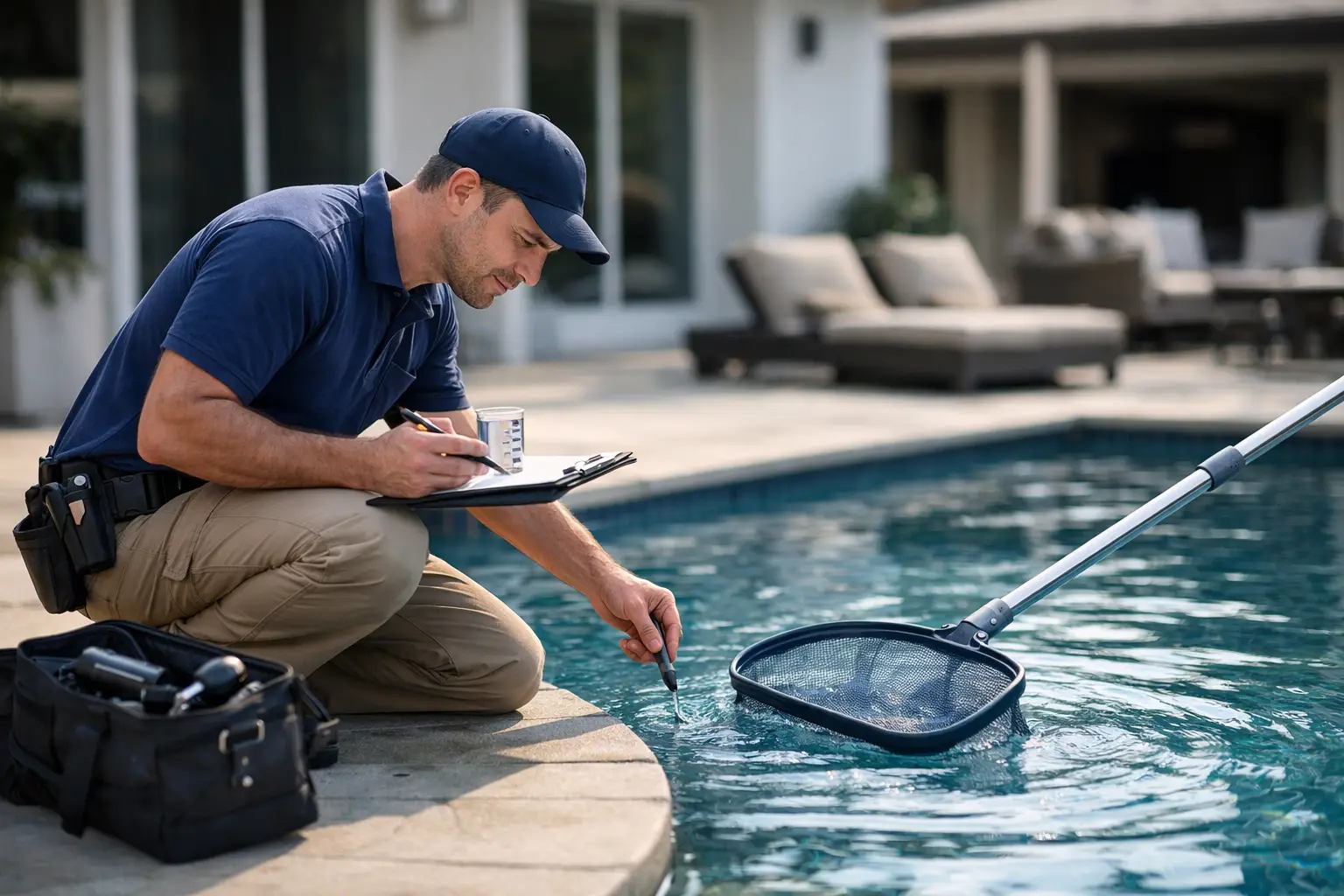
A pool inspection is not just a glance at the water. It is a visual evaluation of accessible components and visible conditions that can point to current defects, deferred maintenance, or likely repair needs.
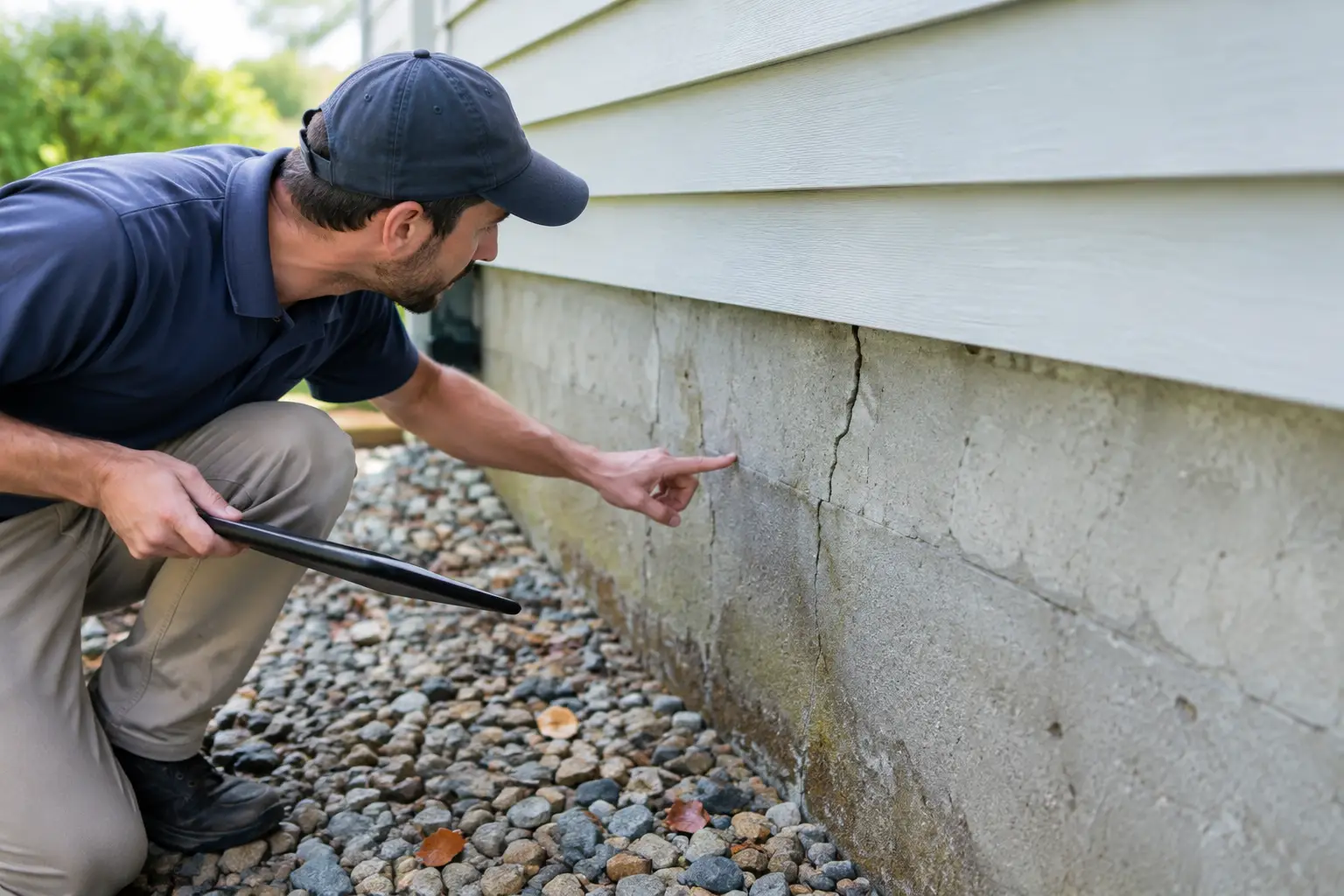
The structure is one of the first concerns. Inspectors look for visible cracking, movement, deteriorated plaster or surface finishes, loose or damaged tile, coping issues, and signs that the deck has shifted. Not every crack means major failure, but some patterns suggest settlement or more significant structural stress. That is where experience matters.
The equipment pad is another major focus. Pumps, filters, heaters, timers, valves, and visible plumbing lines all tell a story about how the pool has been maintained. Corrosion, leaks, unusual noises, poor pressure, and aging equipment can signal that replacement is near. A heater that technically exists but does not function properly should be viewed very differently than one in good working order.
Electrical and safety items also deserve close attention. Accessible bonding, grounding, GFCI protection, pool lights, and visible wiring conditions can affect both performance and safety. Barriers, gates, latches, and other safety-related features may also be reviewed depending on the property setup and what is accessible at the time of inspection.
If the property includes a spa, water features, or automation controls, those components should be checked as well. More features usually mean more convenience when everything works – and more cost when they do not.
Common pool problems buyers overlook
Many buyers worry about obvious cosmetic wear and miss the issues that cost more to fix. A stained pool surface may look unattractive, but a hidden underground leak or failing pump can have a much bigger impact on your budget.
One common problem is equipment at the end of its useful life. A pump may still run during the inspection but sound rough, show signs of leakage, or lack proper performance. That does not always mean it has failed, but it can mean you are buying a system that may need attention soon after closing.
Another issue is deferred maintenance disguised as normal wear. Dirty filters, broken skimmer baskets, damaged tiles, and poor water clarity can point to a pool that has not been consistently cared for. Sometimes that neglect extends to the parts you cannot easily see during a showing.
Safety defects are also easy to underestimate. Missing or damaged drain covers, improper gate function, or electrical concerns should never be brushed off as minor. These are the kinds of problems that can change how comfortable you feel using the pool from day one.
What a pool inspection does not tell you
A good inspection provides valuable protection, but it helps to understand the limits. Pool inspections are typically visual and based on conditions present at the time of the appointment. Inspectors are not tearing up decking, pressure testing underground lines, or predicting exactly how long each component will last.
That means some issues may still require follow-up evaluation by a pool specialist or licensed contractor. For example, if there are signs of a possible leak, structural movement, or equipment failure, further testing may be recommended before you close. That is not a weakness in the process. It is part of making a sound buying decision.
The goal is not to guarantee a perfect pool. The goal is to identify visible defects, flag likely concerns, and give you enough information to move forward with confidence or renegotiate from an informed position.
How inspection findings can affect your deal
A pool inspection before buying a home can change the conversation quickly. If the findings show only routine maintenance items, you may simply budget for normal upkeep and move ahead. If the report reveals major repairs, that can open the door to negotiating credits, requesting repairs, or reconsidering the purchase altogether.
This is where clear reporting matters. Buyers do not just need a verbal opinion. They need organized findings, visual documentation, and practical explanations they can actually use during the option period. That helps you and your agent evaluate what is cosmetic, what is functional, and what could become a significant expense.
The biggest value is not always in finding a deal-breaking defect. Sometimes it is simply avoiding the surprise of inheriting a pool that needs immediate work. Knowing that before closing gives you options. Learning it after closing gives you a bill.
When a pool inspection is especially important
Any home with a pool should be evaluated, but some situations deserve even more caution. Older pools often come with aging plaster, outdated equipment, and electrical components that may no longer reflect current safety expectations. Homes that have been vacant can also present added risk because pools and equipment may have gone without regular service.
Recent flips deserve a closer look too. Fresh decking, clean water, and new tile can improve appearance, but cosmetics do not necessarily mean the underlying systems are in good condition. The same goes for homes where the seller rarely used the pool. Limited use does not always equal low wear. Sometimes it means problems went unnoticed.
If the property includes both a pool and spa, or upgraded features like waterfalls, built-in lighting, or automation, inspection becomes even more valuable. Every added component increases complexity and potential repair cost.
Choosing the right inspection support
You want an inspection company that treats the pool as part of the investment decision, not an afterthought. That means practical findings, clear photos, and communication that helps you understand what matters now versus what may need future planning.
For buyers in Greater Houston, Cypress, Katy, and nearby communities, that local experience matters. Texas conditions are hard on outdoor systems, and pools are no exception. CK Inspections approaches pool and spa inspections the same way it approaches the rest of a pre-purchase inspection – with a protective mindset focused on helping buyers avoid costly surprises.
The smartest way to look at a backyard pool
A pool can absolutely add value to your lifestyle. It can make a home more enjoyable, more functional for your family, and more appealing in the Texas heat. But during a purchase, it should be viewed with the same seriousness as the roof, HVAC, or foundation.
If the pool is in good condition, an inspection gives you peace of mind. If it is not, you find out while you still have leverage. That is the difference between buying with confidence and buying blind.
Before you get attached to the backyard, make sure the water feature everyone loves is not the repair project no one warned you about.