A buyer reads the inspection report, sees pages of defects, and immediately asks the same question: can a home fail inspection? The short answer is no – not in the way a student fails a test or a car fails a state safety check. A home inspection is not usually a pass-or-fail event. It is a professional evaluation of the property’s condition at the time of the inspection.
That said, some homes absolutely raise major red flags. Serious structural movement, active roof leaks, unsafe electrical conditions, plumbing failures, HVAC problems, or evidence of moisture intrusion can change the direction of a transaction fast. So while a house does not typically receive a literal failing grade, an inspection can reveal problems serious enough to make a buyer walk away, renegotiate, or ask for repairs before closing.
Can a Home Fail Inspection in a Real Estate Sale?
In most residential transactions, the answer is still no. A general home inspection is designed to inform the buyer, not approve or reject the property. The inspector documents visible deficiencies, safety concerns, and material defects so the buyer understands what they may be taking on.
What confuses many buyers is that inspection results often trigger other decisions. A lender, insurer, or buyer may decide the home is not acceptable in its current condition. In that sense, the deal can fail because of the inspection findings, even if the house itself does not officially fail the inspection.
This distinction matters. If you are buying a home in Houston, Cypress, Katy, or nearby Texas communities, the goal of the inspection is not to produce a perfect report. Very few homes are perfect. The goal is to uncover the true condition of the property so you do not buy blind.
What an Inspection Can Actually Do
A good inspection gives you leverage, clarity, and a more realistic picture of future costs. It can confirm that a home has been maintained reasonably well, or it can expose hidden issues that were not obvious during the showing.
It can also point to specialized concerns that deserve another look. For example, a general inspection may identify signs of foundation movement, drainage problems, wood-destroying insect activity, sewer line concerns, or hidden moisture patterns that call for further evaluation. That is where buyers protect themselves best – by using the report to make informed decisions before closing instead of inheriting expensive surprises afterward.
The Issues That Make Buyers Feel Like a Home Failed Inspection
Most inspection reports include a mix of minor and more significant items. Loose handrails, missing caulk, worn weatherstripping, or reversed outlet polarity matter, but they do not usually kill a deal by themselves. The issues that carry more weight tend to involve major systems, safety, or expensive repairs.
Structural concerns
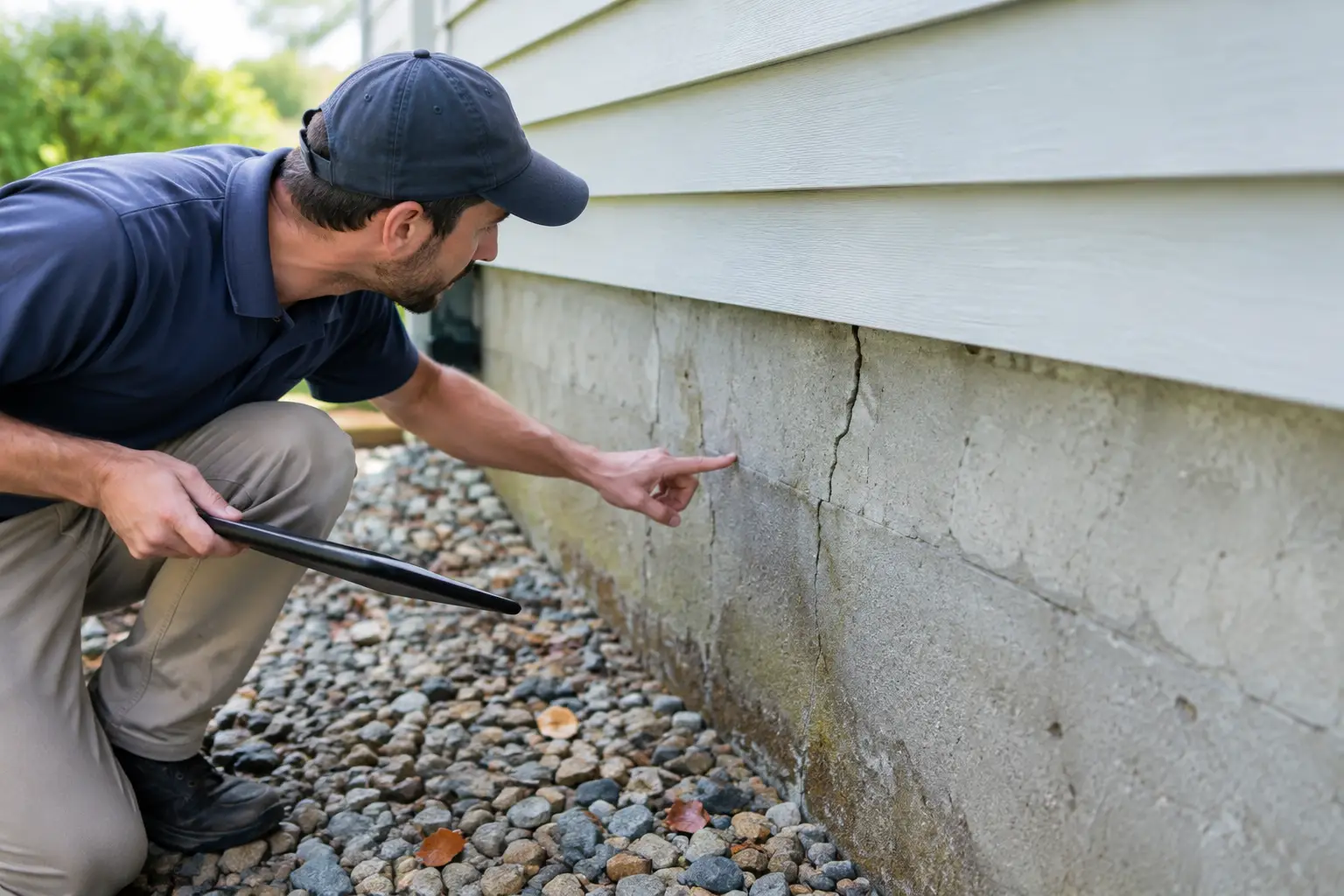
Cracks are common, especially in Texas, but not all cracks mean the same thing. Cosmetic settlement cracks may be manageable. Wider cracks, sloping floors, sticking doors, separation at walls or ceilings, or signs of ongoing movement deserve closer attention. Buyers get nervous when there is evidence the structure may not be stable or when repairs could be costly and invasive.
Roof damage and moisture intrusion
An aging roof is one thing. Active leaks, damaged flashing, water staining, soft decking, or signs of long-term moisture intrusion are another. Water has a way of expanding problems. What starts at the roof can lead to damaged framing, insulation issues, interior staining, and possible mold growth.
Electrical hazards
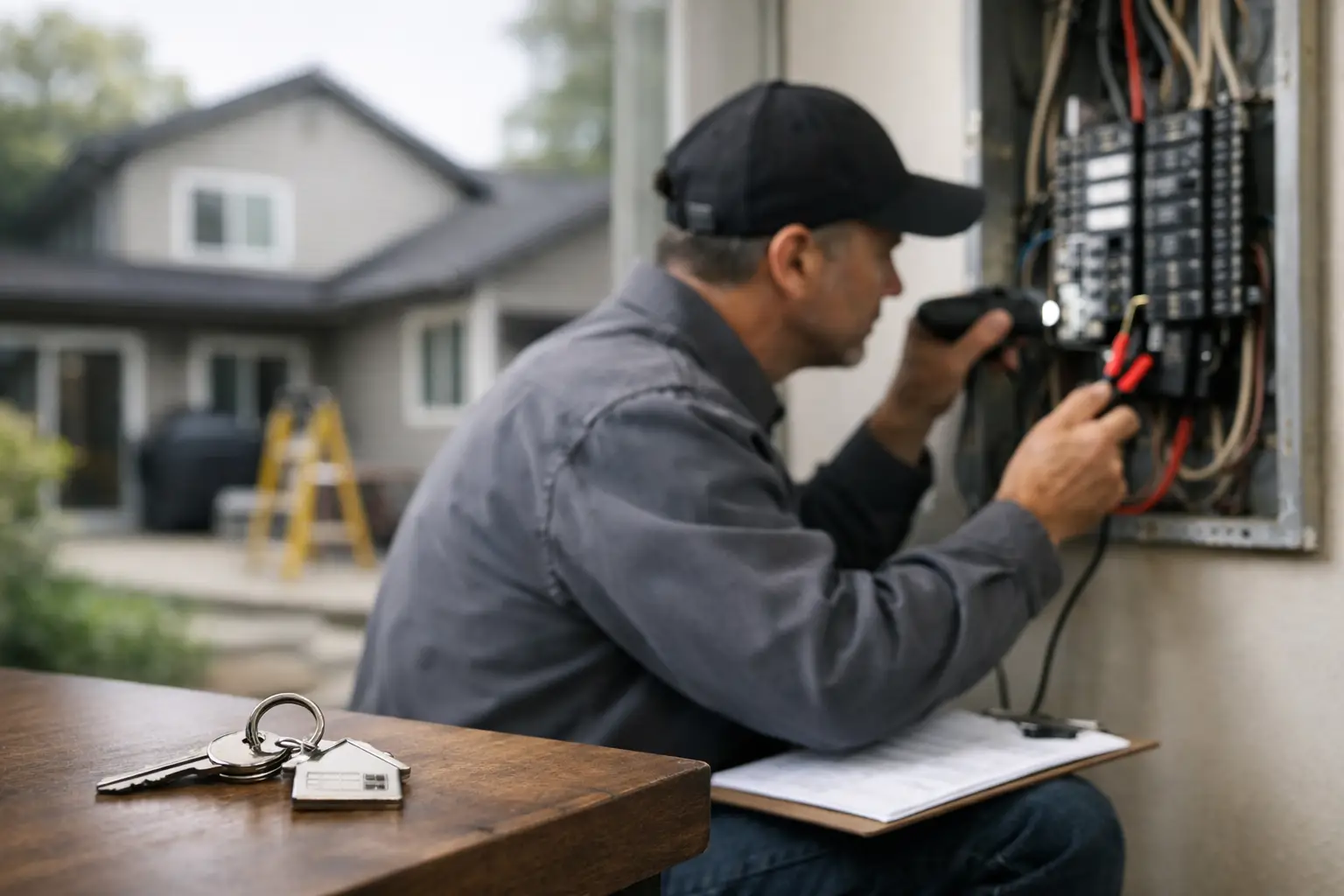
A house with outdated or unsafe electrical components can become a real concern. Double-tapped breakers, overheated conductors, improper wiring methods, missing safety devices, and damaged panels can move an issue from inconvenient to hazardous quickly. Buyers and insurers both pay attention here.
Plumbing defects and sewer concerns
Leaks under sinks may be easy enough to repair. Hidden supply leaks, failing drain lines, active sewer backups, or signs of repeated plumbing issues are more serious. In older homes especially, sewer line defects can be expensive and disruptive, which is why some buyers choose additional sewer camera evaluations.
HVAC problems
If the air conditioning or heating system is near the end of its life, that is useful information. If it is not cooling properly, has unsafe conditions, or shows signs of poor installation or deferred maintenance, buyers may be looking at a major replacement soon after move-in. In Texas heat, HVAC issues are not small issues.
Wood-destroying insects
Evidence of termites or other wood-destroying insects does not always mean the deal is over. It does mean the damage and activity need to be understood clearly. Sometimes treatment and repair are straightforward. Sometimes the findings reveal a deeper pattern of deterioration.
When Inspection Findings Affect Financing or Insurance
This is one of the biggest reasons buyers ask whether a home can fail inspection. Even if the inspection itself is not pass-or-fail, certain conditions can create problems with financing or homeowners insurance.
For example, a lender may require repairs before closing if the property has major safety or habitability issues. Some loan types are stricter than others. Insurance carriers may also hesitate if the roof is near the end of its service life, the electrical system is outdated, or there is evidence of water damage or prior claims.
So the practical answer is that a home can fail the buyer’s comfort test, fail the insurer’s requirements, or fail to meet a lender’s condition standards. That is why thorough reporting matters. Clear photos, organized findings, and practical explanations help buyers and agents act quickly.
What Buyers Should Do After a Bad Inspection Report
The right response depends on the severity of the issues, your budget, and your tolerance for repairs. Not every concerning report means you should walk away. Not every seller concession is enough to make a risky property worth it either.
Start by separating the report into categories. Which items are safety concerns? Which are major system defects? Which are maintenance items you can handle over time? This keeps the conversation grounded in priorities instead of panic.
Next, talk through the report with your inspector. A detailed report is valuable, but the real benefit often comes from understanding context. Which defects are common for the home’s age? Which ones suggest more significant hidden damage? Which ones should be evaluated further by a licensed specialist before the option period ends?
From there, buyers usually have a few paths. You might request repairs, ask for a credit, renegotiate the purchase price, accept the condition as-is, or terminate the contract if the issues are too significant. The best choice depends on what the inspection reveals and how the seller responds.
Can a Home Fail Inspection and Still Be Worth Buying?
Absolutely. Some homes with long reports are still good purchases. Older homes in particular often have a long list of deficiencies simply because components age, standards change, and maintenance is uneven over time.
The key question is not whether the report is long. It is whether the problems are manageable, understood, and reflected in the deal. A home with a dated water heater, worn roof shingles, and minor electrical corrections may still be a solid purchase if the price, repair budget, and overall condition make sense.
On the other hand, a polished home with fresh paint can still hide expensive defects. That is why buyers benefit from a careful inspection process that looks past cosmetics and focuses on systems, structure, moisture, and safety.
Why the Inspection Is Still a Win, Even If the Deal Falls Apart
Sometimes the inspection protects you by confirming your concerns. Sometimes it protects you by changing your mind. If a report reveals major defects you were not prepared to take on, walking away may be the smartest financial decision you make in the entire transaction.
That does not mean the inspection caused the problem. It means the inspection exposed it before the house became your responsibility. That is exactly what buyers are paying for – clarity before commitment.
For many Texas buyers, that peace of mind matters just as much as the report itself. A thorough inspection can help you avoid costly surprises, negotiate from a stronger position, and move forward with confidence. If you choose to buy, you know more. If you choose not to buy, you avoided stepping into someone else’s deferred maintenance.
A home does not need to officially fail inspection to tell you something important. What matters is whether you understand what the property is really saying before you sign the final papers.