A backyard pool can make a home feel like the right one the moment you step outside. But a beautiful surface can hide expensive problems underneath, which is why a pool inspection before buying house should never be treated as optional. If you are buying in the Houston area, where pools get heavy use and long swim seasons, checking the pool’s true condition can protect you from major repair bills right after closing.
For many buyers, the pool becomes an emotional selling point. The water is clear, the decking looks clean, and the equipment may even be running during the showing. None of that tells you whether the shell is leaking, the plumbing is compromised, the electrical components are safe, or the equipment is near the end of its service life. A standard home inspection may note visible pool concerns, but a dedicated pool and spa inspection gives this major feature the attention it deserves.
Why a pool inspection before buying house matters
Pools are not cosmetic extras. They are systems made up of structure, plumbing, electrical components, circulation equipment, safety features, and surrounding surfaces. When one part fails, the cost often extends beyond a simple repair. A cracked beam can affect structural integrity. A hidden leak can waste water, damage surrounding soil, and create movement in nearby decking. A failing pump or heater can turn a move-in ready pool into a project.
The bigger issue is timing. Buyers often stretch their budget to purchase the home itself, then get hit with pool repairs they did not see coming. That is exactly the kind of surprise an inspection is meant to reduce. Knowing the condition before closing gives you leverage. You may choose to negotiate repairs, request credits, adjust your offer, or walk away if the defects are too significant.
This is especially relevant in Texas, where heat, sun exposure, shifting soils, storms, and constant operation can take a toll on outdoor systems. A pool may look fine on the day of the showing and still have costly defects that only a trained inspection can identify.
What a pool inspector is looking for
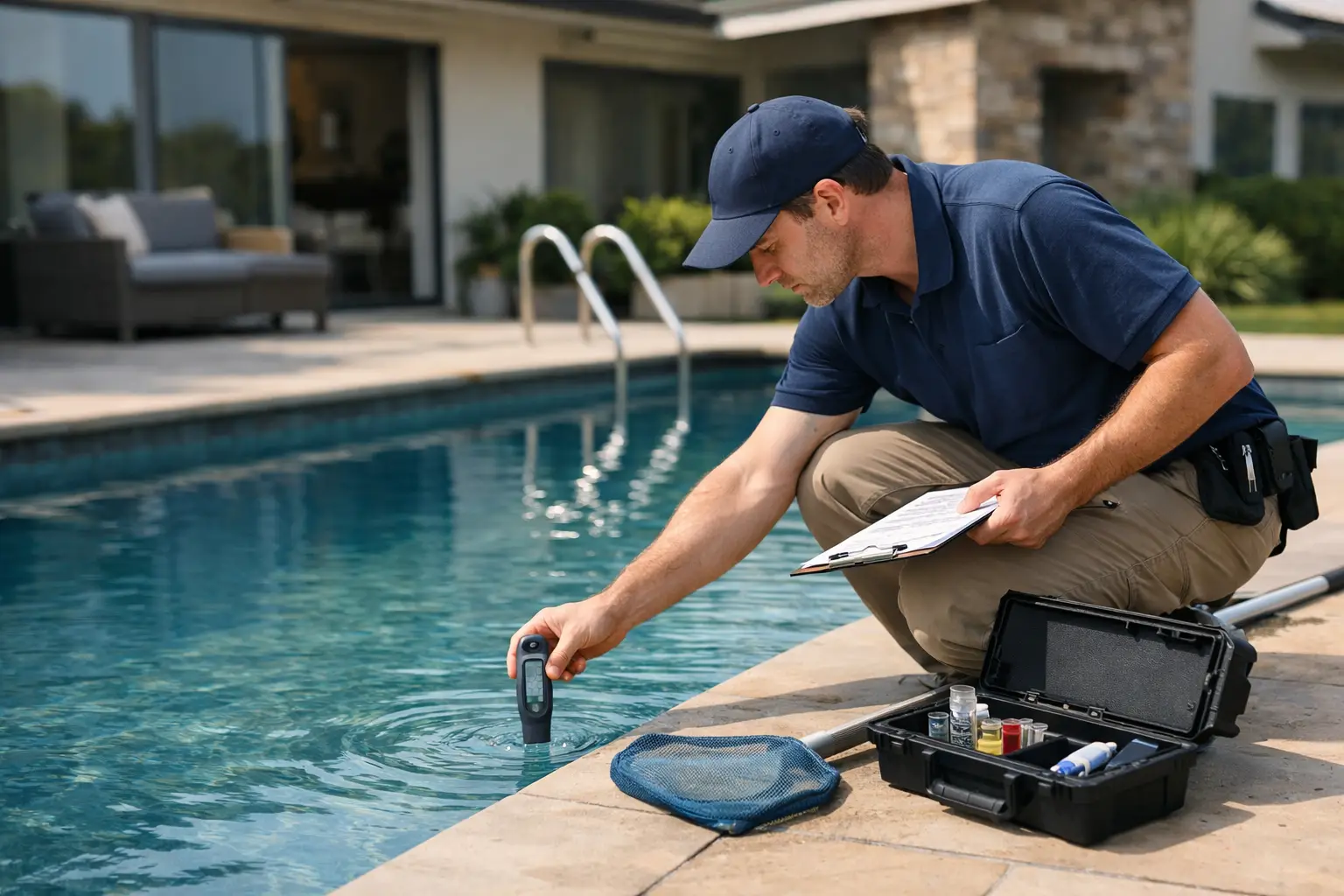
A proper pool inspection is about more than asking whether the water looks clean. The goal is to evaluate visible and accessible components for signs of current defects, deferred maintenance, safety concerns, and aging equipment.
Pool structure and interior surfaces
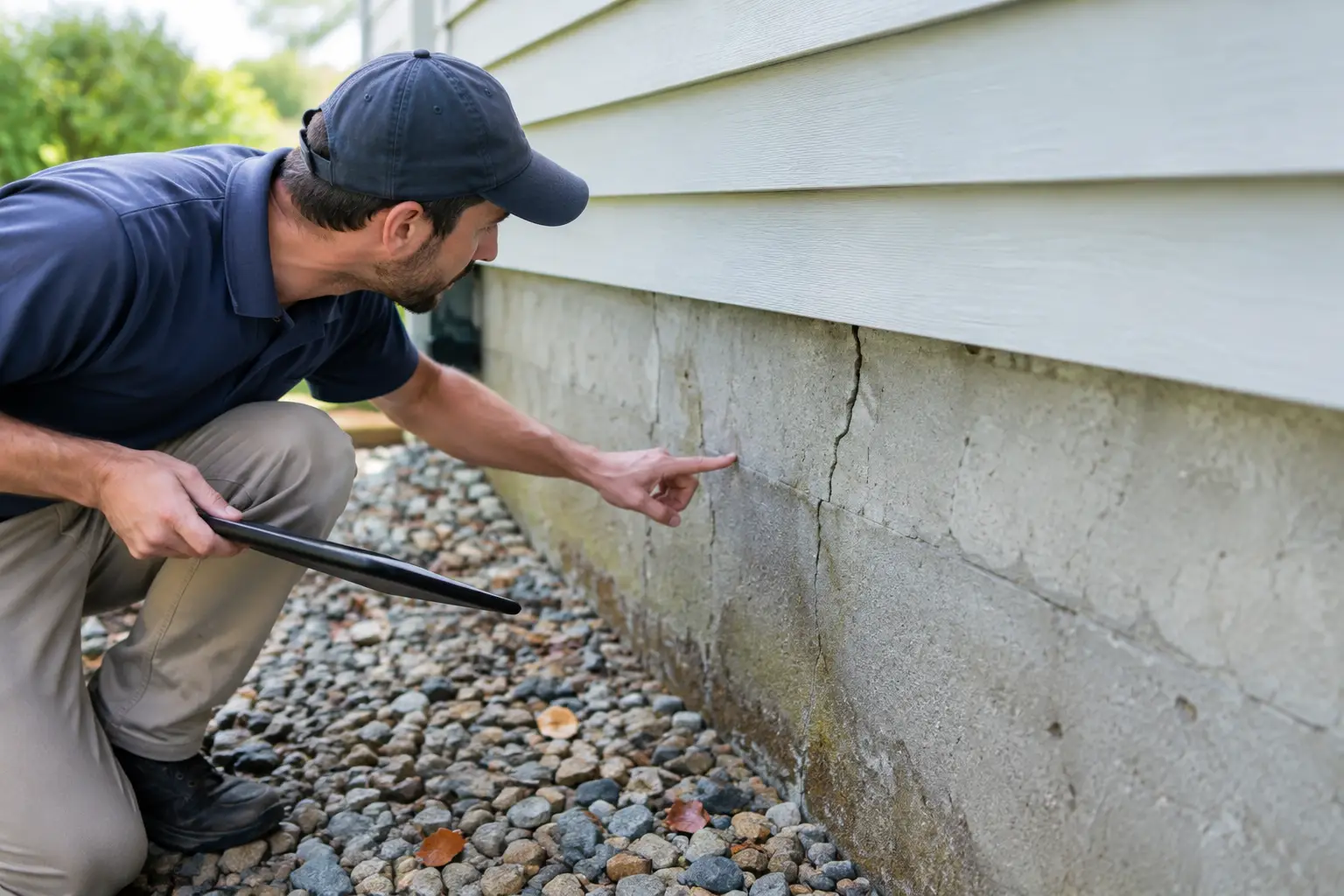
Inspectors look for cracks, settlement, separation, hollow spots, plaster deterioration, tile damage, and coping issues. Some cracks are minor surface wear. Others can point to movement or structural concerns. The difference matters, and it is not always obvious to a buyer walking through a showing.
Equipment and circulation
The pump, filter, heater, valves, timers, and automation controls all need attention. Equipment may operate at the time of inspection but still show signs of leaking, corrosion, unusual noise, poor installation, or age-related wear. Older systems are not automatically defective, but they do carry more risk of replacement in the near future.
Plumbing and leak indicators
Not every leak is easy to confirm during a real estate inspection, but experienced inspectors can often identify red flags. Water loss, wet soil, air in the system, staining, and pressure issues can all suggest deeper problems. If enough signs are present, a buyer can decide whether to pursue additional specialized leak testing before closing.
Electrical and bonding concerns
This is one of the most important areas because it directly affects safety. Pools involve pumps, lighting, outlets, and metal components around water. Inspectors look for visible issues with bonding, GFCI protection, electrical connections, and equipment installation. Safety defects here should never be brushed aside as minor.
Decking, drainage, and surrounding conditions
The condition around the pool matters too. Cracked decking, trip hazards, poor drainage, loose coping, and improper grading can create safety issues and contribute to long-term damage. In some cases, drainage problems around the pool can also affect the home or nearby structures.
Safety features
Depending on the property, this may include gates, latches, barriers, alarms, handrails, anti-entrapment covers, and other visible safety items. Pool safety standards can vary based on age, updates, and local requirements, but missing or defective features are still important for buyers to know before they take ownership.
What buyers often miss during a walkthrough
Most buyers notice the water first. If it is blue and still, the pool feels cared for. That impression can be misleading. Cloudy water is not the only warning sign, and clear water does not mean the system is healthy.
Buyers also tend to underestimate the age and cost of pool equipment. A pump, filter, or heater may not fail immediately, but if it is at the end of its normal life span, replacement may be closer than expected. The same goes for surface finishes. A plaster finish can look acceptable in listing photos while already showing wear that will require resurfacing sooner rather than later.
Another common mistake is assuming the seller would disclose any major issue. Some sellers do. Some do not know about hidden defects. Others may only understand that the pool has been “working fine” from their point of view. Inspection exists because visual appeal and seller disclosure are not the same as verified condition.
Pool inspection and negotiation power
A pool inspection does more than identify problems. It helps you make decisions with real numbers and real priorities. Not every defect should derail a purchase. Some findings are maintenance items or expected aging. Others are substantial enough to justify a repair request or a serious conversation about value.
This is where organized reporting matters. When findings are documented clearly with photos and practical notes, buyers and agents can address concerns without guesswork. Instead of saying the pool seems old or may have a leak, you have documented observations that support your next step.
Sometimes the best outcome is asking the seller to repair a specific issue before closing. Sometimes a credit is more practical, especially when the buyer wants control over who performs the work. And sometimes the smartest move is simply going in with open eyes, knowing that a future equipment upgrade is part of the ownership cost.
How a pool inspection fits with the home inspection
A general home inspection remains essential, but pools are specialized. They combine water, electricity, structure, and mechanical systems in one feature. That is why a pool and spa inspection is often offered as an add-on service rather than folded fully into a standard home inspection.
For buyers, that distinction matters. The more complex the property, the more valuable it is to have each major system evaluated thoroughly. If the home has a pool, treating it as a major component instead of a backyard accessory is the safer approach.
Companies like CK Inspections help buyers avoid costly surprises by pairing clear reporting with practical guidance, which becomes especially valuable when the pool is one of the home’s biggest risk points.
When a pool may need further evaluation
A real estate pool inspection is a strong first layer of protection, but there are times when additional specialist review is wise. If the inspector finds signs of active leaking, major structural cracking, significant equipment failure, or electrical safety concerns, a pool repair contractor or leak detection specialist may be the next step.
That does not mean the first inspection fell short. It means the inspection did its job by identifying concerns early enough for you to investigate before you are committed. A good inspection process is not about pretending every answer can be delivered in one visit. It is about helping you spot risk before it becomes your expense.
The cost of skipping it
Buyers sometimes skip a pool inspection to save money during the transaction. That decision can look small at the time and expensive later. A single underground leak, heater replacement, surface renovation, or electrical correction can cost far more than the inspection itself.
There is also the stress factor. Finding out after closing that your pool needs major work changes how you experience the home you just bought. Instead of settling in, you are scheduling repairs, adjusting your budget, and dealing with a problem you could have investigated earlier.
The smarter path is simple. If the property has a pool, inspect it like it matters, because it does. A pool can be a great part of homeownership, but only when you understand what you are buying. Before you commit to the house, make sure the pool is giving you value, not a hidden repair list.