A new home can look finished long before it is truly ready for you to own it. Fresh paint, clean flooring, and brand-new appliances create confidence, but they do not confirm that every accessible component was installed, connected, adjusted, and operating correctly. So, should buyers inspect new builds? In most cases, yes. An independent inspection before closing is one of the clearest ways to avoid costly surprises after move-in.
A builder walkthrough has value, but it is not the same as an independent home inspection. The walkthrough is typically focused on introducing the home, documenting visible cosmetic items, and confirming the buyer’s punch-list concerns. A professional inspection takes a broader, buyer-protection-focused look at the property’s major systems and components.
Why a New Build Can Still Have Defects
New construction is not automatically defect-free construction. Homes are built by many trades working on a tight sequence: foundation crews, framers, roofers, electricians, plumbers, HVAC installers, drywall teams, painters, and finish crews. Most builders have quality-control processes, and municipal inspections address certain code requirements at specific stages. Even so, details can be missed, damaged, left incomplete, or altered as work moves quickly toward the closing date.
Many issues on a new build are not dramatic. They may involve an electrical outlet that is not functioning, a plumbing fixture that leaks under use, a bathroom exhaust fan that does not vent properly, an improperly installed roof component, or HVAC equipment that needs correction or adjustment. Small defects can become frustrating, expensive, or damaging when they are discovered only after furniture is moved in and the builder’s attention has shifted to the next phase of construction.
An independent inspection is not an accusation that a builder did poor work. It is a practical quality check on a major purchase. Good builders often welcome clear documentation because it gives them an opportunity to address legitimate concerns before the buyer takes possession.
Should Buyers Inspect New Builds or Rely on the Builder Walkthrough?
Buyers should treat the final walkthrough and the inspection as two different tools. The walkthrough helps you see the home as its future owner. It is the right time to notice a scratched countertop, a paint touch-up, a missing cabinet pull, or an appliance that was not installed as expected.
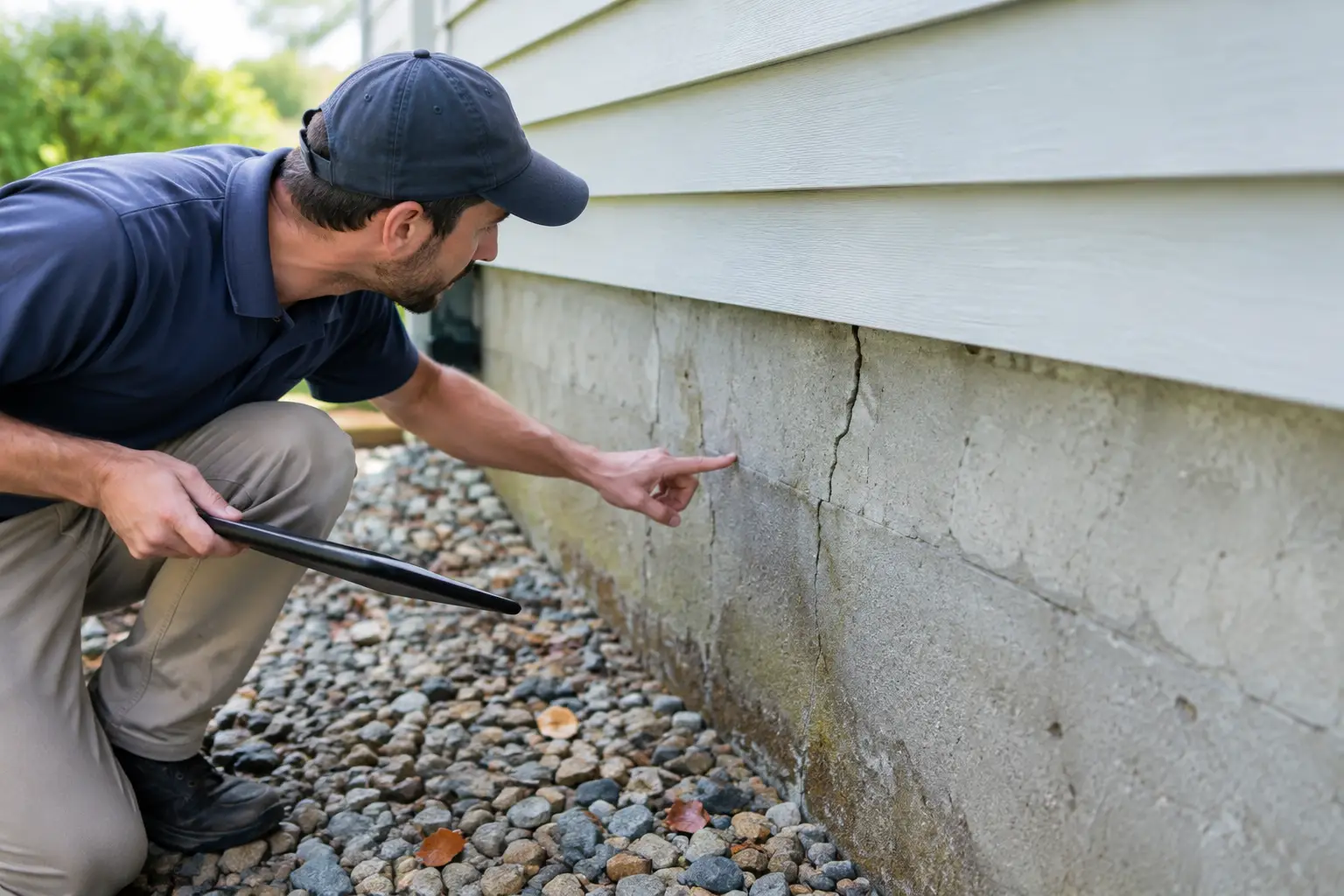
The inspection is designed to evaluate the condition and apparent operation of accessible systems and components. That includes the roof, exterior, foundation and structure as visible, electrical system, plumbing, HVAC, interior, insulation and ventilation, doors, windows, and built-in appliances. The goal is to identify material defects, installation concerns, safety issues, and incomplete work that may not stand out during a brief builder-led walkthrough.
Municipal code inspections are also not a substitute for a buyer’s inspection. City or county inspectors generally inspect specific construction stages for code compliance. Their role is not to represent your financial interests, create a buyer-focused report, or verify every accessible item in the finished home. A private inspector works for the buyer and documents findings in language that helps prioritize next steps.
The Best Time to Schedule a New-Construction Inspection
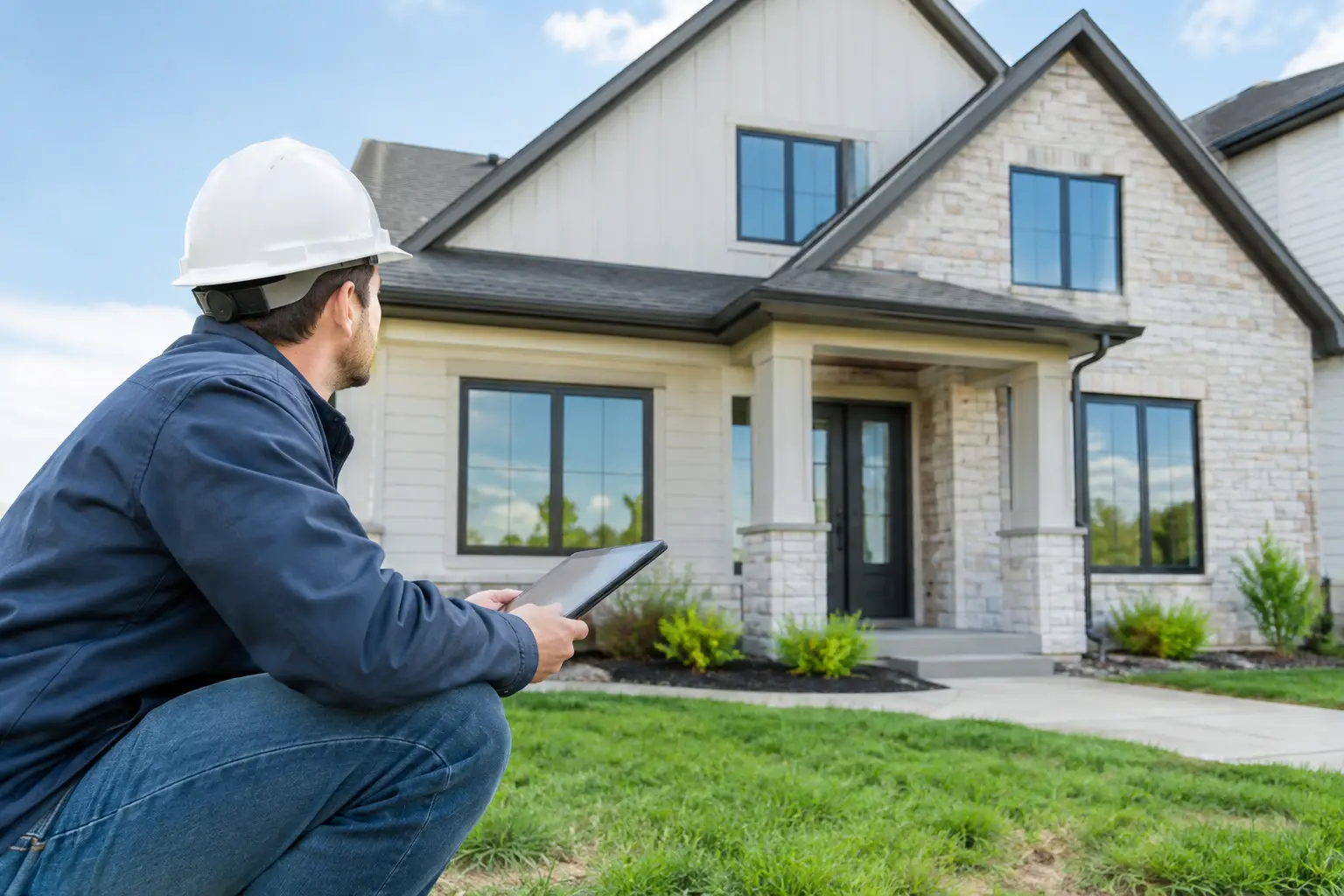
For most buyers, the most useful time is after the home is substantially complete but before the final walkthrough and closing. Major systems should be installed and operating, utilities should be on, and the home should be accessible. Scheduling early enough gives the builder time to review the report and make corrections without creating last-minute pressure.
Ask your builder and real estate agent about the construction schedule well before closing. In a fast-moving market, waiting until the final few days can limit your options. If the home is not ready for inspection, rescheduling may be necessary, which is another reason to build inspection time into the contract timeline from the start.
For buyers who have the opportunity, a phase inspection before drywall is installed can provide an additional view of framing, plumbing, electrical, and mechanical rough-ins. That is not always possible, particularly if construction is already well underway when you purchase. A pre-closing inspection remains valuable even when a phase inspection was not completed.
What an Inspector Can and Cannot Tell You
A home inspection is a visual, non-invasive evaluation of accessible areas and readily observable conditions. It can reveal concerns that deserve repair, correction, monitoring, or further evaluation by a qualified specialist. It also provides an organized record of the home’s condition near the time of closing.
An inspector cannot see through finished walls, predict every future failure, guarantee that a system will never need service, or replace the builder’s warranty process. A newly installed HVAC system, for example, may appear to operate properly on inspection day but still require service later. That does not make the inspection less valuable. It sets realistic expectations about what an inspection is designed to do: reduce unknowns before you commit.
New-home warranties can be helpful, but buyers should read them carefully. Coverage periods, exclusions, reporting requirements, and responsibility for routine maintenance can vary. A warranty is a process for addressing qualifying issues after purchase. An inspection is an opportunity to identify concerns before closing, when the home is still in the builder’s possession and corrections may be easier to coordinate.
How to Use a New-Build Inspection Report
The strongest inspection report does more than produce a long list of items. It gives you clear photos, plain-language explanations, and a practical sense of what matters most. Review it with your real estate agent, then submit appropriate concerns to the builder through the process described in your contract.
Not every note requires a major negotiation. New homes often have minor finish items, normal construction variations, or maintenance recommendations. Focus first on safety-related concerns, apparent installation defects, active leaks, nonfunctioning components, drainage concerns, and items that could lead to larger damage if left unresolved.
Keep the communication factual and organized. Rather than asking for vague assurances that everything is fine, request that identified items be evaluated and corrected by the appropriate trade professional. If the builder confirms repairs were made, a reinspection can be worthwhile for significant findings or when several systems were affected. A reinspection is not always necessary for a small cosmetic item, but it can provide peace of mind when the original issue involved operation, safety, or water management.
Questions to Ask Before You Book
Before scheduling, confirm that utilities will be active and that the house will be safe and accessible. Ask whether the builder permits independent inspections before closing and whether they require advance notice. Most importantly, choose an inspector with experience evaluating new construction, not just older resale homes.
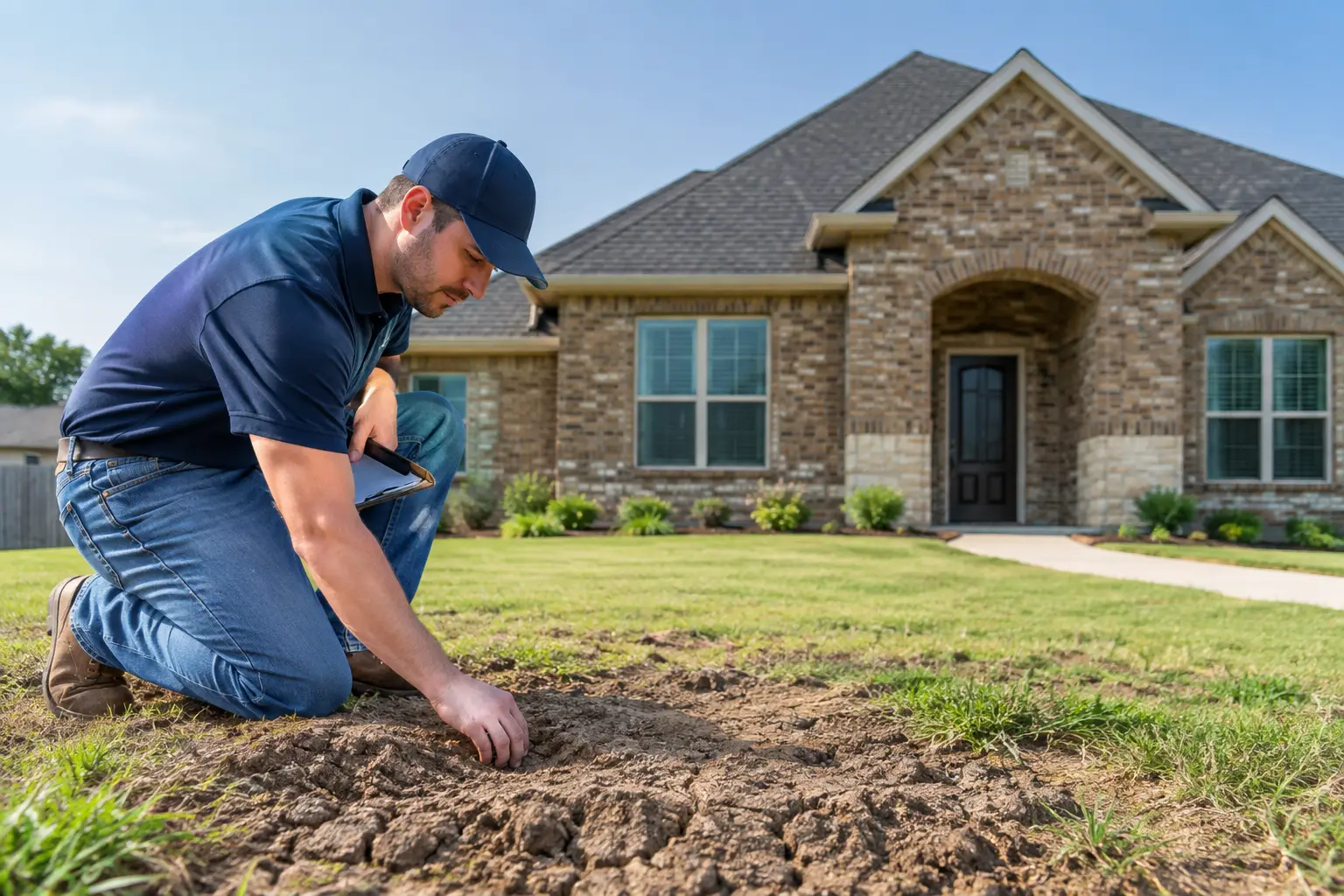
In Greater Houston, Cypress, Katy, and nearby communities, buyers also benefit from working with an inspector who understands local construction practices and the conditions homes face over time. Foundation performance, drainage, roof details, and HVAC operation deserve careful attention in this climate. CK Inspections brings more than 20 years of hands-on construction, home-building, and renovation experience to help buyers understand what was found and what should happen next.
Do not let the word “new” persuade you to buy blind. Your home may be brand-new, but it is still a complex assembly of materials, systems, and workmanship. A careful inspection before closing gives you a better chance to start ownership with questions answered, concerns documented, and confidence in the home you are about to call your own.