A home inspection can shape a major purchase decision in just a few hours. That is why home inspector red flags deserve as much attention as the condition of the house itself. A rushed, unclear, or poorly documented inspection can leave a buyer with expensive surprises after closing – even when the home appeared move-in ready during the showing.
For buyers in Houston, Cypress, Katy, and nearby communities, the stakes can be especially high. Foundation movement, drainage concerns, roof wear from severe weather, aging HVAC equipment, and hidden plumbing issues are not always obvious from a walkthrough. The right inspector helps you see the property clearly. The wrong one may give you a report that looks official but does little to protect your investment.
Home Inspector Red Flags Before You Book
1. They cannot clearly verify their Texas license and insurance
A qualified Texas home inspector should be able to provide their licensing information without hesitation. Licensing does not guarantee that every home will be problem-free, but it does establish that the inspector meets state requirements and is accountable to a professional standard.
Ask for the inspector’s license number and confirm that they carry appropriate insurance. Be cautious when someone avoids the question, offers vague credentials, or relies only on a real estate profile with no clear business information. Your inspection is too important to leave to an unverified provider.
2. Their price is dramatically lower, but the scope is unclear
Every buyer wants to manage closing costs, and a lower inspection fee is not automatically a warning sign. The concern is a low price paired with an unclear or limited service. A bargain inspection can become expensive if the inspector skips areas, spends too little time at the property, or provides a report that does not give you enough information to negotiate repairs.
Before booking, ask what is included. A standard home inspection typically evaluates visible and accessible structural components, roofing, electrical, plumbing, HVAC, interiors, and other major systems. However, sewer lines, pools and spas, thermal imaging, and wood-destroying insect inspections may require separate services or add-ons.
The right choice depends on the property. A home with mature trees, an older sewer system, a pool, or signs of moisture may justify additional evaluation. A trustworthy inspector explains those options without pressuring you to purchase services you do not need.
3. They will not show you a sample report
A report is the product you take with you after the inspection. If an inspector will not provide a sample report, you have no practical way to judge whether their findings will be clear, organized, and useful.
Look for reports that include photos, descriptions of the issue, the location of the concern, and a clear explanation of why it matters. A good report should help you distinguish between routine maintenance, repairs that need attention soon, and conditions that may require further evaluation by a qualified specialist.
Be wary of short checklists with little explanation. A box marked “deficient” does not tell you enough to make a confident decision. You need documentation that supports a repair request, helps you budget after closing, and gives you a reliable record of the home’s visible condition on inspection day.
4. They promise a pass-or-fail answer
Homes do not pass or fail in the same way a vehicle inspection does. Even a newer home can have installation defects, safety concerns, or maintenance issues. Likewise, an older home can be a sound purchase when its condition, repair needs, and price are understood.
An inspector who says, “This house is perfect,” or guarantees there will be no issues is setting the wrong expectation. A professional inspection identifies visible concerns within the scope of the inspection. It does not predict every future failure or eliminate all risk.
The better answer is measured and specific: here is what was observed, here is what may need repair or further review, and here is what that could mean for you as the buyer. That clarity protects you far more than a reassuring but unsupported opinion.
5. They rush through the property
Inspection time varies based on the home’s age, size, condition, occupancy, and available access. There is no single number of hours that proves quality. Still, an inspector who spends very little time evaluating a large or complex property should raise questions.
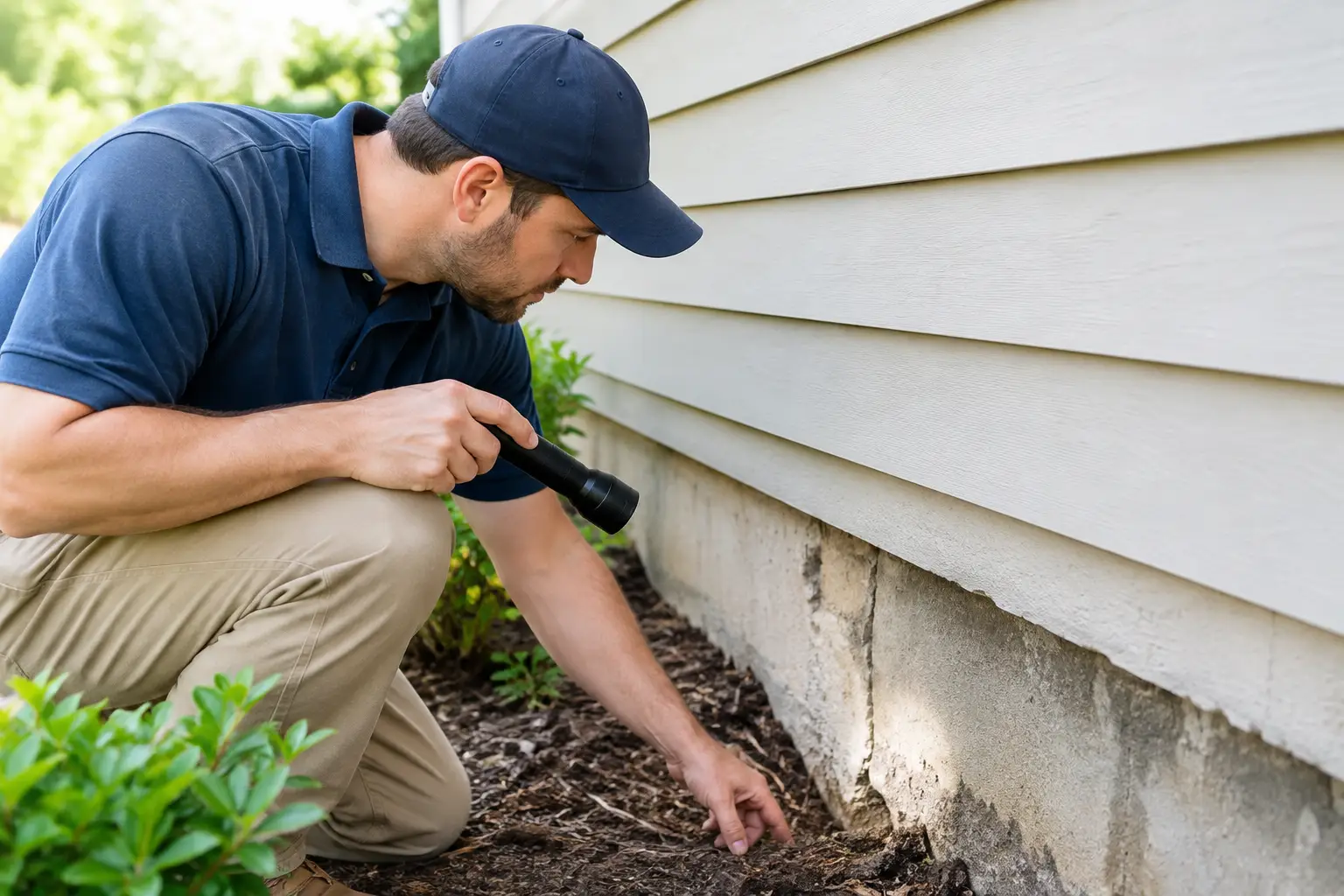
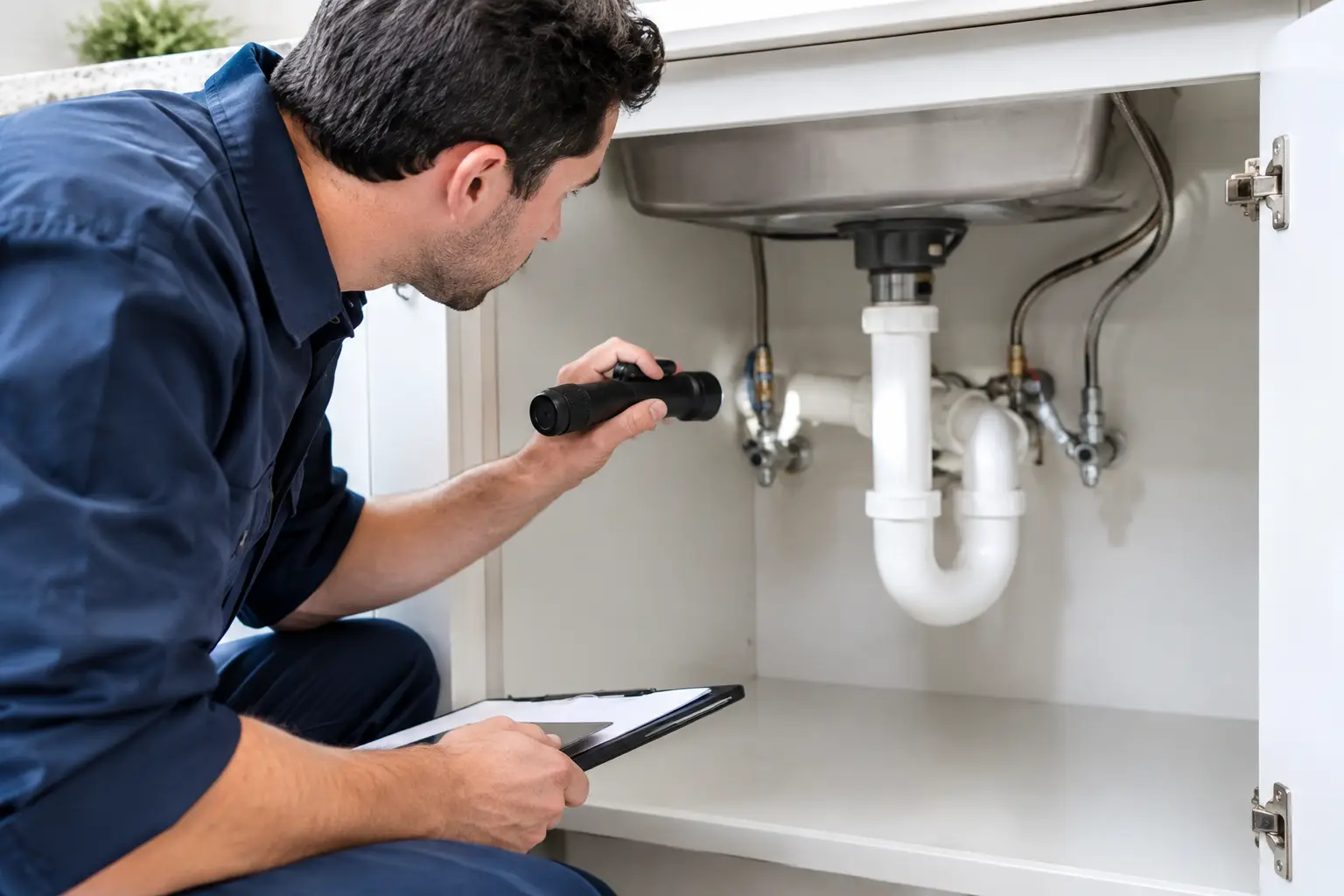
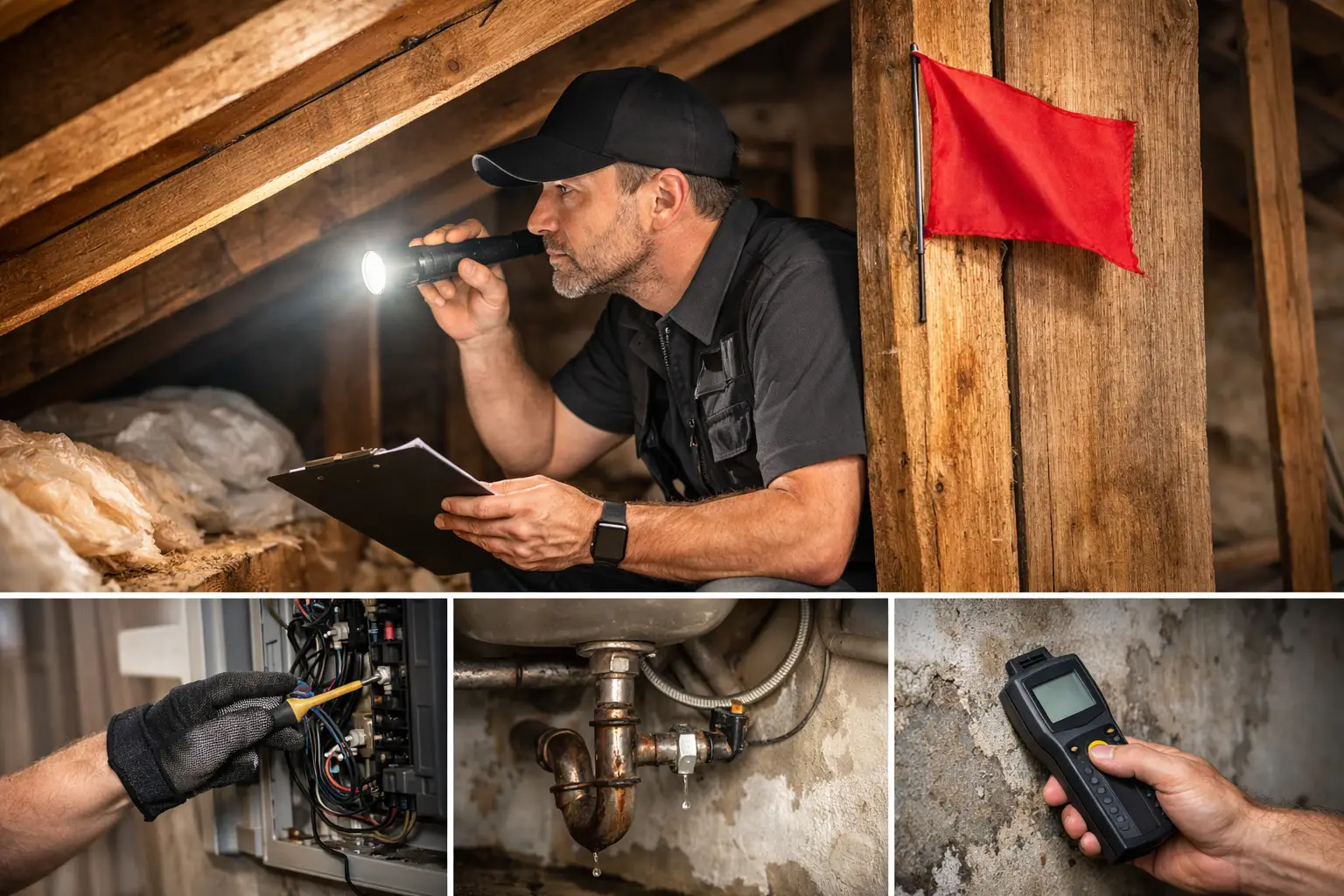
A thorough inspection involves more than a quick walk through the rooms. It requires evaluating accessible roof areas, the attic, foundation and exterior conditions, electrical panels, plumbing fixtures, HVAC equipment, and more. In Greater Houston, an inspector may also need to pay close attention to grading and drainage, moisture indicators, attic ventilation, and air-conditioning performance.
If the inspector appears rushed, does not access readily available areas, or seems more focused on finishing quickly than examining carefully, ask why. Time alone is not the measure of quality, but attention to detail is.
6. They do not explain limitations or inaccessible areas
No home inspection is invasive. Inspectors generally do not open walls, move furniture, disassemble equipment, or inspect components that are blocked, unsafe, or not readily accessible. Those limitations are normal. Failing to tell you about them is not.
For example, a locked electrical panel, a heavily stored attic, a roof that cannot be safely walked, or an HVAC system that cannot be tested due to conditions should be documented in the report. You should know what was inspected, what was not inspected, and why.
A clear limitation is not a weakness. It is professional transparency. It gives you the chance to seek access, request further evaluation, or factor the unknown into your negotiations and decision.
Red Flags During and After the Inspection
7. They discourage questions or do not welcome you at the inspection
You do not need to follow an inspector through every step of the appointment, but you should have an opportunity to ask questions and understand the major findings. An inspector who is dismissive, speaks only in jargon, or refuses to discuss concerns may not provide the support you need.
A buyer-focused inspector explains issues in plain language without creating unnecessary alarm. They can tell you the difference between an aging water heater that should be budgeted for and an active safety concern that needs prompt attention. That conversation can be as valuable as the written report.
8. Their report has few photos or vague descriptions
Photos are not decoration. They are evidence. When a report identifies a damaged roof component, moisture staining, a missing safety feature, or a questionable electrical condition, visual documentation helps you understand the finding and communicate it to your agent, seller, or repair professional.
Watch for vague language such as “repair as needed” without details. A useful report should identify the component, describe the observed condition, and recommend an appropriate next step. Not every item needs a diagnosis or repair quote from the inspector, but the report should give you a clear path forward.
9. They treat an agent referral as a reason to soften findings
Many excellent inspectors are referred by real estate agents, and a referral alone is not a red flag. Experienced agents often value inspectors who are reliable, efficient, and clear. The problem arises only when an inspector appears more concerned with keeping a transaction moving than with protecting the buyer.
Your inspector works for you. Their job is not to kill a deal or push one through. It is to report visible conditions accurately, explain their significance, and give you the information needed to make your own decision.
If you feel pressured to ignore concerns, avoid asking for clarification, or accept a report that minimizes obvious issues, consider that a warning. A professional inspection should give you confidence, not make you feel rushed toward closing.
10. They disappear after sending the report
Questions often come up after you have had time to read the report, speak with your agent, or receive repair estimates. An inspector does not need to act as your contractor, attorney, or insurance advisor, but they should be reasonably available to clarify what they observed.
Post-inspection support matters because reports can contain a lot of information. You deserve an inspector who can help you understand the findings, explain report language, and point out which questions should be directed to a licensed specialist.
What a Buyer-Focused Inspection Should Give You
The best inspection is not the one with the longest list of defects. It is the one that gives you a well-documented, understandable view of the home’s visible condition and the risks that could affect your purchase.
At CK Inspections, that means organized findings, clear photos, practical explanations, and support after the appointment so buyers can move forward with better information. It also means recognizing when a specialized service, such as a sewer camera inspection, thermal imaging scan, pool and spa inspection, or wood-destroying insect inspection, may provide useful answers beyond a standard inspection.
Before you commit to an inspector, ask to see how they communicate, what their inspection includes, and how they handle questions after the report is delivered. A home is too significant a purchase to buy blind. Choose an inspector who helps you understand what you are buying before closing day arrives.