A beautiful showing can hide an expensive problem. Fresh paint may cover prior moisture staining. A cool home on a mild afternoon may not reveal an HVAC system struggling in Texas heat. A garage door, faucet, or outlet might work during a quick walkthrough while larger concerns sit behind walls, under flooring, or above the ceiling.
That is why the best reasons for pre purchase inspection come down to one goal: do not buy blind. Before you commit to one of the largest purchases of your life, a professional home inspection gives you a clearer picture of the property’s condition, its likely repair needs, and the questions worth asking before closing.
A pre-purchase inspection protects your decision
A home inspection is not a pass-or-fail test, and it is not a guarantee that a house will never need repairs. Every home, including a new construction property, will have maintenance items and imperfections. The value is in knowing what you are buying before the contract becomes final.
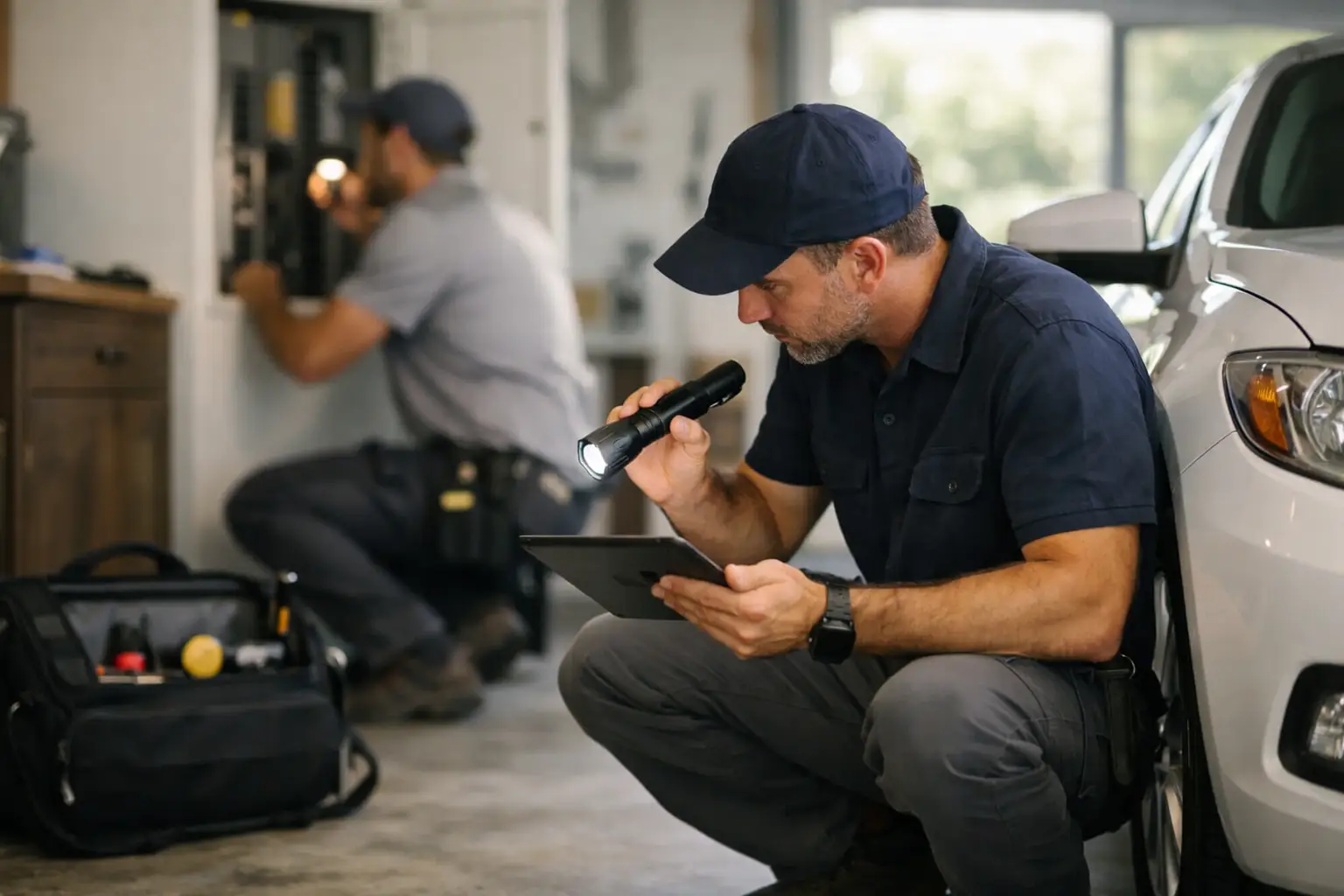
A qualified inspector evaluates readily accessible major systems and components, then documents observed conditions in an organized report. That typically includes the structure, roof, electrical system, plumbing, heating and cooling equipment, interior, exterior, attic, and built-in appliances. Instead of relying on a seller disclosure or a quick visual impression, you receive an independent assessment designed to protect your interests.
For buyers in Houston, Cypress, Katy, and nearby communities, this matters because local homes face specific stresses. Heavy rain, expansive clay soils, high humidity, intense heat, and termite activity can all affect a property over time. A thorough inspection helps put those risks in context for the particular home you are considering.
The best reasons for a pre-purchase inspection
1. Find defects that are easy to miss
Most buyers are focused on layout, school zones, natural light, and whether their furniture will fit. Those are valid priorities, but they can make it difficult to notice signs of a larger issue. An inspector is looking at the home differently.
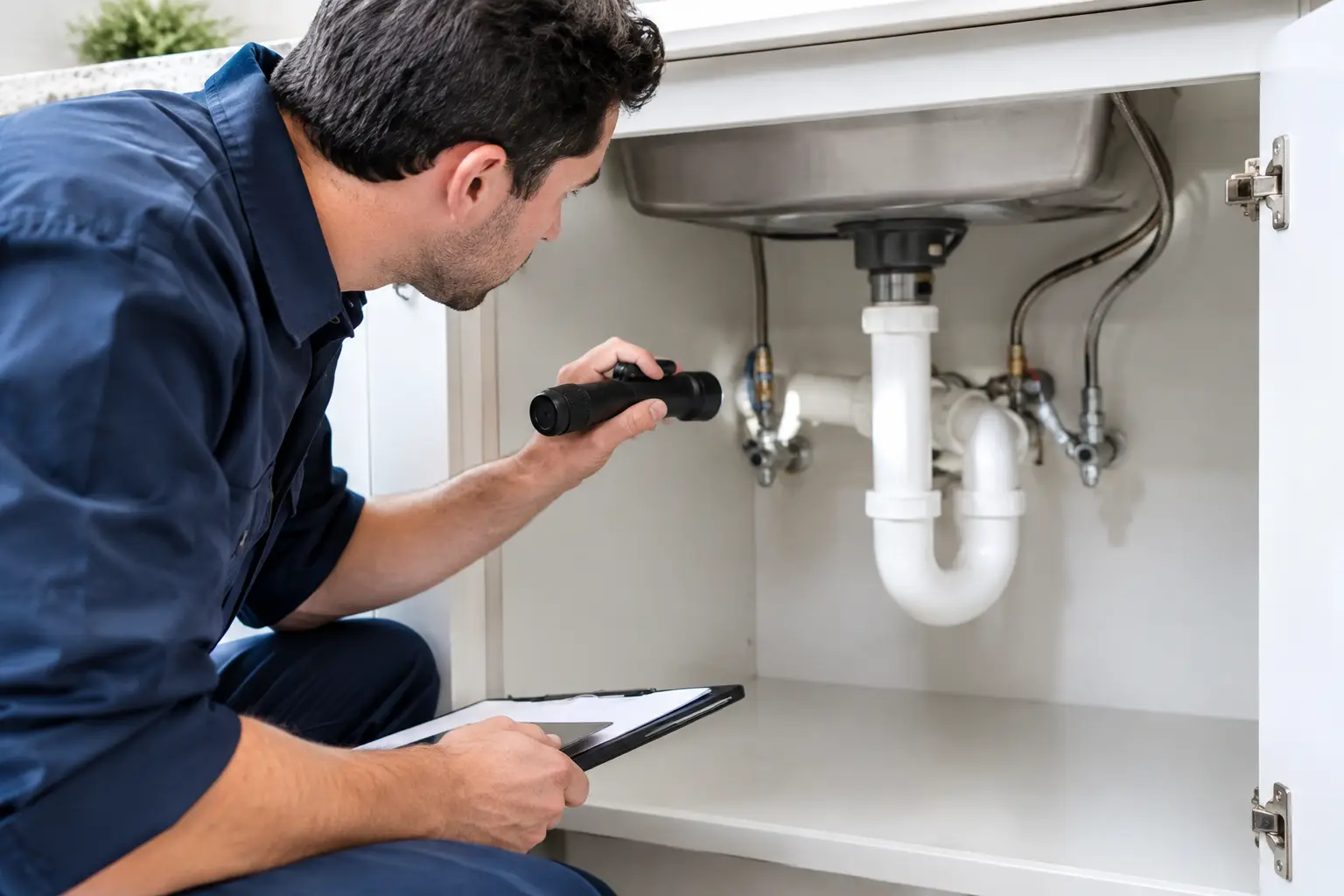
For example, a small ceiling stain may point to an active roof leak, a past plumbing leak, or condensation from HVAC equipment. A loose outlet can be a minor repair, but it may also lead to questions about the condition of the electrical system. Cracks in walls or exterior masonry can be cosmetic, or they may warrant closer evaluation of drainage, movement, or foundation performance.
The inspection report separates observations from guesswork. Clear descriptions and visual documentation help you understand what was found, where it was found, and why it deserves attention.
2. Avoid surprise repair costs after closing
The biggest financial benefit of an inspection is often not discovering a flawless home. It is discovering a significant condition while you still have options.
Roof replacement, sewer line repairs, foundation work, electrical corrections, and HVAC replacement can cost far more than buyers expect. Even a group of moderate repairs can quickly affect a moving budget. If you learn about those conditions before closing, you can plan for them rather than being forced to react after you own the home.
Not every finding should stop a purchase. A water heater near the end of its expected service life may be manageable if the price and your budget account for replacement. A damaged roof covering or a major drainage concern may call for a stronger response. The inspection gives you the information to make that distinction.
3. Strengthen repair and pricing conversations
A detailed inspection report can provide a factual basis for your next steps during the option period. Depending on the contract, market conditions, and the nature of the findings, you may ask the seller to make repairs, request a credit, renegotiate the price, or decide to move on.
The goal is not to create an unrealistic repair list for every small cosmetic issue. Homes are lived-in assets, and normal wear is expected. A productive repair request focuses on material defects, safety concerns, active leaks, systems that are not functioning as intended, and conditions likely to create costly problems.
Organized reports and repair request tools can make these discussions more efficient for both buyers and real estate professionals. You are not simply saying that something “looks wrong.” You can point to documented conditions and have a more informed conversation.
4. Identify safety concerns before your family moves in
Some defects are inconvenient. Others can create immediate safety risks. A pre-purchase inspection can uncover concerns such as exposed wiring, missing protective devices, improperly installed water-heater components, unsafe stair or deck conditions, damaged gas-related components, or moisture conditions that may contribute to deterioration.
An inspection does not replace specialized testing or evaluation by a licensed trade professional when needed. If an inspector observes a condition outside the scope of a general inspection, the report may recommend further review by an electrician, plumber, HVAC contractor, roofer, structural engineer, or other qualified specialist. That recommendation is useful, not alarming. It helps you avoid making a major decision without the right expert input.
5. Understand the true cost of ownership
The purchase price is only the starting point. A smart buyer also considers what the house may need in the first year, the next few years, and over the long term.
Your inspection can help you prioritize. A dirty air filter is a simple maintenance task. An aging HVAC system may still operate today but should be part of your financial plan, especially before a Houston summer. Poor grading may not require an immediate large project, but directing water away from the foundation can prevent more serious issues later.
This perspective is especially helpful for first-time buyers. You do not need a perfect property to make a good purchase. You need a realistic understanding of maintenance responsibilities and upcoming expenses so you can budget with confidence.
6. Get more value from specialized inspection services
A standard home inspection provides a broad evaluation, but some properties benefit from additional services. The right add-on depends on the home, its age, visible conditions, and your level of risk tolerance.
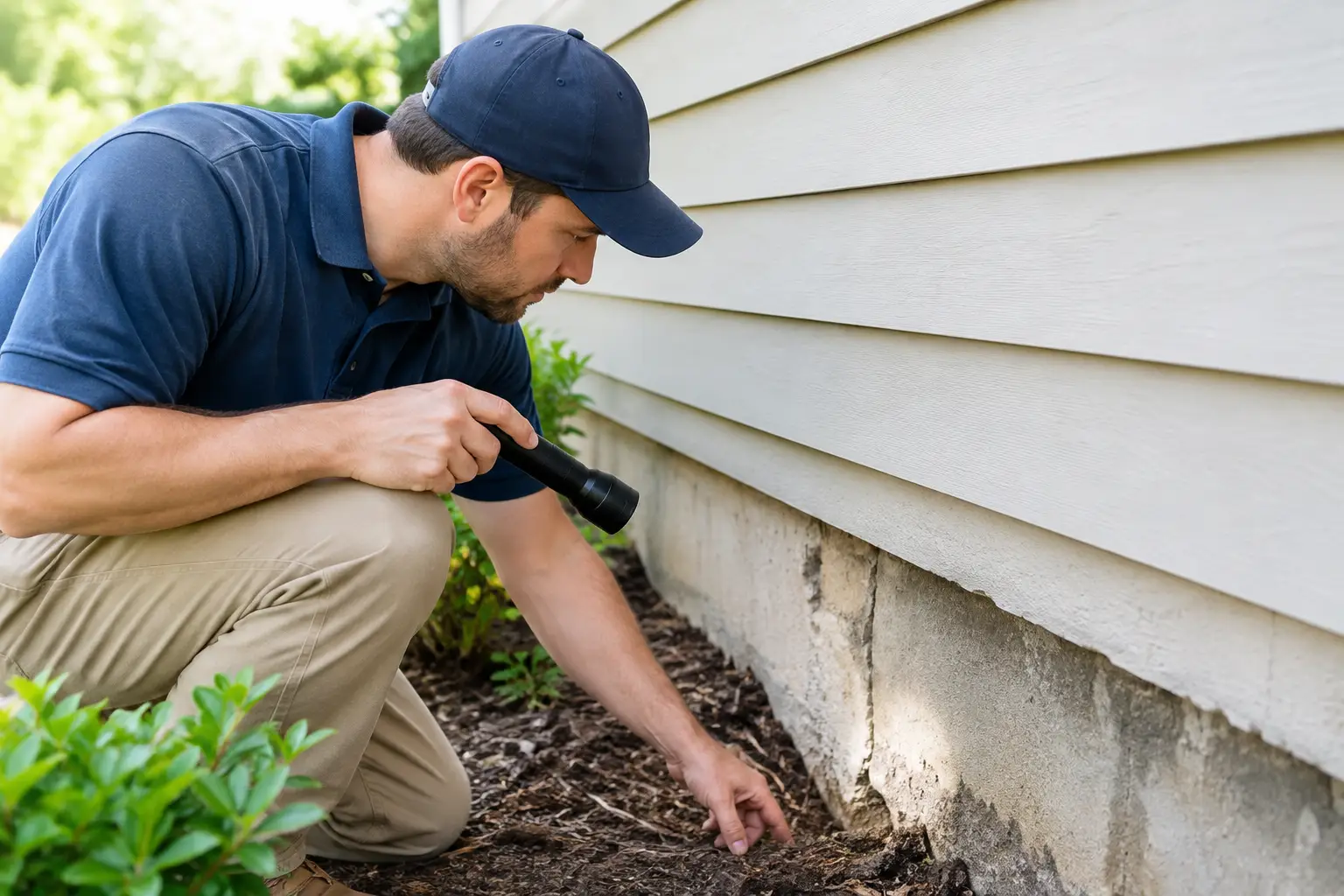
A wood-destroying insect inspection can identify evidence of termites or other organisms that damage wood. A sewer line camera inspection can reveal blockages, breaks, root intrusion, or other concerns in underground drain lines that cannot be evaluated through normal fixture operation alone. Thermal imaging may help identify temperature differences associated with moisture intrusion, insulation gaps, or electrical anomalies. Pool and spa inspections are also valuable when those systems are part of the purchase.
These services are not automatically necessary for every buyer. However, choosing them strategically can prevent blind spots in areas that are expensive or difficult to access after closing.
7. Gain confidence without relying on assumptions
Buying a home can feel like a race. Multiple offers, tight deadlines, financing requirements, and emotional attachment to a property can make buyers feel pressured to move quickly. A professional inspection creates a pause for due diligence.
That pause is valuable even when the report contains mostly maintenance items. You gain a practical understanding of the home, learn where shutoffs and major systems are located, and see what deserves attention first. Buyers who understand their home at closing are better prepared to care for it from day one.
At CK Inspections, the focus is on making findings clear and useful, not burying buyers in technical language. A visual, detailed report and post-inspection support can help you move from uncertainty to an informed plan.
When an inspection contingency deserves extra attention
An inspection is wise for nearly every resale purchase, but some situations call for extra care. Older homes may have aging plumbing, electrical updates of varying quality, or prior renovations that deserve close review. Vacant homes may have leaks or system issues that developed while no one was monitoring the property. Homes with large trees, pools, additions, visible cracking, or signs of prior water intrusion may also benefit from targeted follow-up.
New construction should not be treated as an exception. New homes can have incomplete work, installation defects, drainage issues, missing insulation, or components that were not fully tested. A pre-closing inspection gives you a chance to identify concerns before your builder warranty period begins.
There are limits to any inspection. Inspectors cannot see through walls, move furniture, predict future failures, or inspect components that are inaccessible or unsafe to operate. That is why an honest report identifies limitations alongside observed defects. Transparency gives you a more reliable basis for decisions than false certainty ever could.
Before you remove your inspection contingency or approach the end of your option period, give the home a professional look beyond the staging, paint color, and curb appeal. The right inspection will not tell you whether to love a house. It will help you understand what comes with it, so you can move forward with your eyes open.