
A beautiful kitchen and fresh paint can make a house feel ready to buy. A detailed home inspection report sample shows you what buyers need to see beyond that first impression: which conditions need attention, where they are located, why they matter, and what to do next.
For Houston-area buyers, the report is more than a list of defects. It is a decision-making tool during a short option period, when clear information can protect you from expensive surprises after closing. Learning how to read a sample before your inspection helps you focus on the findings that affect safety, budget, and negotiations.
What a Good Inspection Report Should Reveal
A professional inspection report should tell a clear story about the home’s visible and accessible condition on the day of the inspection. It should document the systems that were evaluated, identify deficiencies, include photos where they add clarity, and separate significant concerns from routine upkeep.
A report is not a pass-or-fail grade. Every home has maintenance needs, including new construction. The useful question is not, “Is this house perfect?” It is, “Do I understand its condition well enough to move forward, request repairs, adjust my offer, or plan for future costs?”
Property details and inspection scope
Start with the opening pages. A quality report identifies the property, inspection date, weather conditions, and the systems or components inspected. It should also explain the scope and limitations of the inspection.
For example, an inspector may be unable to evaluate a locked shed, a roof area that is unsafe to walk, an inaccessible crawlspace, or an HVAC unit that cannot be operated under current conditions. Those notes are not filler. They tell you where uncertainty remains and where a specialist, seller documentation, or a return visit may be needed.
The summary is a starting point, not the whole report
Most modern reports include a summary section that gathers the findings needing attention. This is helpful when time is limited, but do not stop there. Read the full item in the body of the report to see the location, supporting photo, description, and recommendation.
A summary may say “moisture staining observed at ceiling.” The detailed section may clarify that the staining is in a second-floor bedroom near a roof penetration, appears dry at the time of inspection, and should be evaluated for repair history or active leakage. That context changes how you respond.
Home Inspection Report Sample: How a Finding Is Written
A well-organized home inspection report sample often presents each issue in a consistent format: the component, condition, location, photo, and recommended action. Here is the type of entry a buyer may see:
> Roof covering – deficiency: Damaged or displaced shingles were observed at the rear roof slope. This condition can allow water intrusion and should be evaluated and repaired by a qualified roofing contractor.
That language does several jobs at once. It identifies what was observed, explains the potential consequence, and directs you to the right next step. It does not promise that a leak will occur, estimate the repair cost, or guarantee the remaining service life of the roof. Those distinctions matter.
When reading any finding, look for four answers: What was seen? Where was it seen? Why could it matter? Who should evaluate or repair it? If an entry does not answer all four, ask for clarification before your option period expires.
Read Severity Labels in Context
Reporting platforms use different labels. One company may use “deficient,” while another may use “repair,” “major concern,” or “safety issue.” The label helps prioritize the finding, but the description and photo are what make it meaningful.
In practical terms, most findings fall into four categories:
- Safety concerns involve conditions that could create immediate risk, such as exposed electrical conductors, missing safety features, or a gas-related concern.
- Major repairs are conditions that may require a qualified contractor and could affect your budget or decision to proceed, such as active plumbing leaks, structural movement indicators, or a failed HVAC component.
- Maintenance items are common ownership responsibilities, such as caulking exterior gaps, cleaning gutters, or servicing an aging system.
- Monitor items are conditions with no visible evidence of failure at the inspection but worth watching, documenting, or discussing with a specialist.
A “maintenance” label does not mean you should ignore the item. Several modest maintenance issues can point to a home that has been deferred for years. On the other hand, a single serious safety concern may deserve faster action than a long page of cosmetic observations.
Photos Should Make the Findings Easier to Understand
Photos are one of the most valuable parts of an inspection report, especially for buyers who cannot attend every portion of the inspection. Good photos show the issue in context and include a closer view when necessary. Captions should connect the image to the written finding rather than leave you guessing what you are looking at.
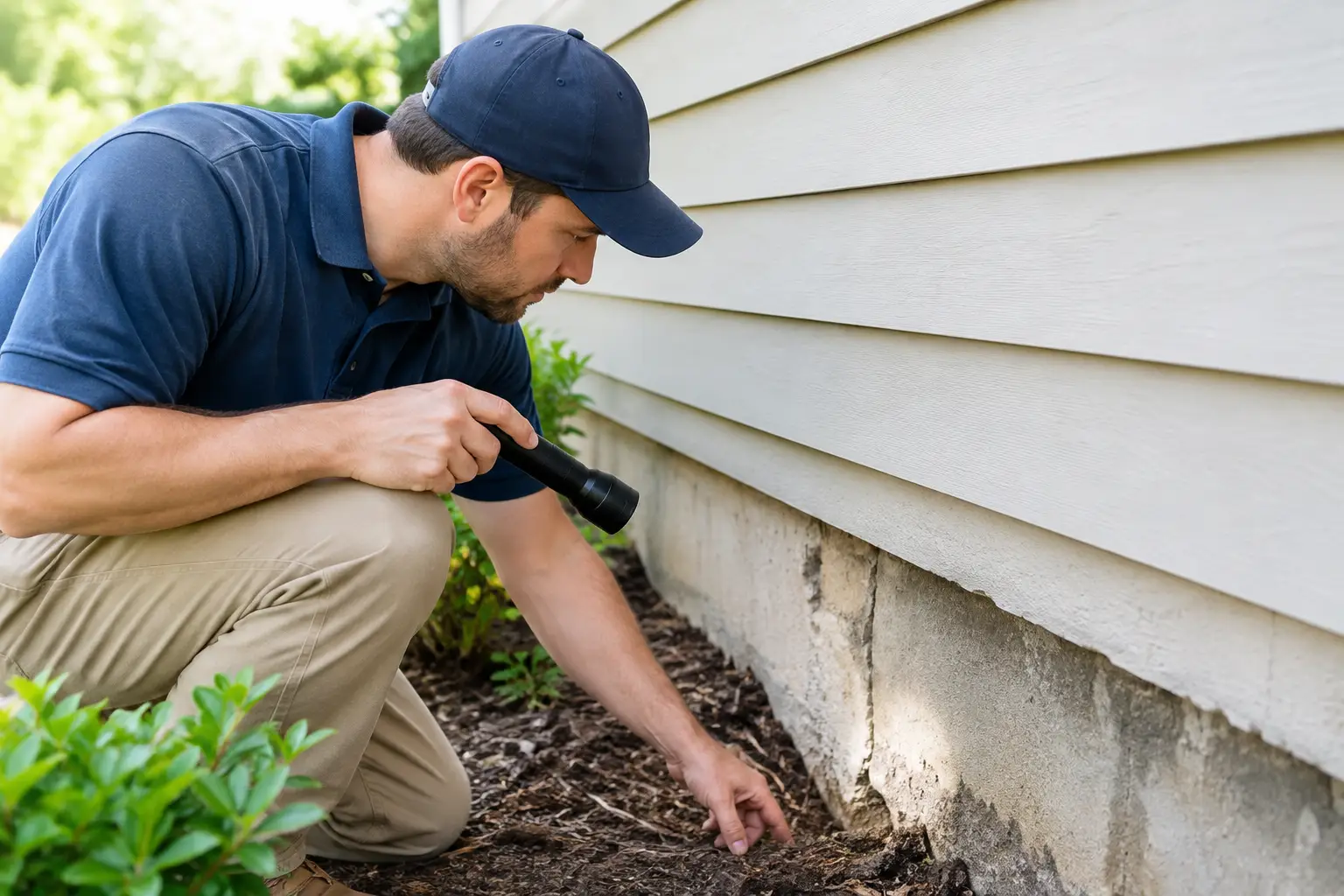
Pay attention to photos of the roof, attic, electrical panel, HVAC equipment, water heater, plumbing under sinks, foundation perimeter, and exterior drainage. These areas often reveal conditions that are easy to miss during a walkthrough.
Still, a photo is evidence of a visible condition, not a complete diagnosis. A photo of staining may support a recommendation for further evaluation, but it cannot always confirm the source of moisture behind a wall or beneath flooring. That is why reports may recommend a licensed specialist, thermal imaging, or a sewer camera inspection when the available evidence calls for a closer look.
Texas Homes Need a Practical Reading Strategy
Greater Houston, Cypress, Katy, and nearby communities present conditions that deserve careful attention. Heat, humidity, heavy rain, expansive soils, aging drainage systems, and high cooling demands can all affect a property over time.
When reviewing the report, give extra attention to grading and drainage around the foundation, signs of water entry, roof condition, attic ventilation, HVAC performance, plumbing leaks, and electrical safety. If the home has a pool or spa, that system deserves its own focused evaluation. A standard home inspection may identify visible pool-related concerns, but a dedicated pool and spa inspection can provide more complete information before you take ownership.
Age also changes the conversation. An older home can be a sound purchase with well-documented updates and manageable maintenance needs. A newer home can still have installation defects, drainage concerns, or incomplete safety features. The report should help you judge the specific property rather than rely on assumptions about its age.
Turn the Report Into an Action Plan
Once you receive the report, read the summary first, then review every supporting section and photo. Mark the items that affect safety, water intrusion, structural performance, major systems, or immediate repair costs. Next, decide which findings need contractor estimates or further evaluation before negotiations end.
Avoid treating the report as a demand list for every small defect. Sellers are more likely to respond productively when repair requests are focused on material concerns and supported by clear documentation. Your real estate agent can help you decide how to use the findings within the contract, while qualified contractors can provide repair methods and pricing when needed.
If the report identifies a concern that you do not understand, ask the inspector. Post-inspection support matters because a good report should not leave you alone with technical terms and a stack of photos. The goal is clarity, not confusion.
What to Look for When Comparing Sample Reports
Do not judge a report only by page count. A 90-page report filled with generic statements may be less useful than a shorter report with clear findings, well-labeled photos, and specific recommendations. Look for organization, readable language, and a format that helps you quickly identify priority items.
Be cautious of samples that rely on vague phrases such as “repair as needed” without describing the condition or location. Also watch for reports that provide little visual documentation, omit limitations, or make broad claims without explaining what was observed. A useful report gives you enough detail to have an informed conversation with your agent, seller, or contractor.
Before you commit to a home, choose an inspection process that gives you more than a checklist. CK Inspections provides detailed, visual reporting designed to help buyers understand what they are buying, prioritize next steps, and move forward without buying blind.