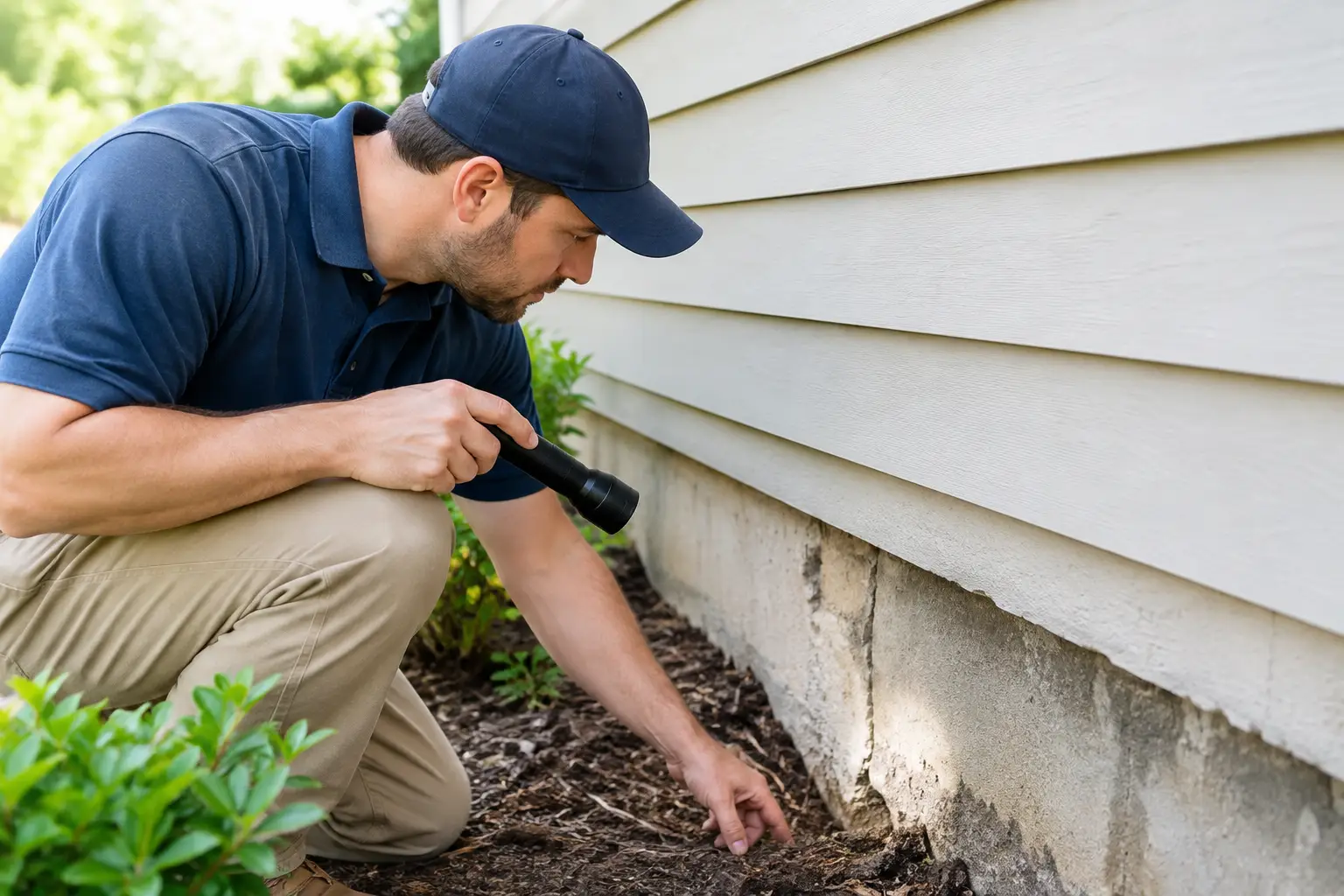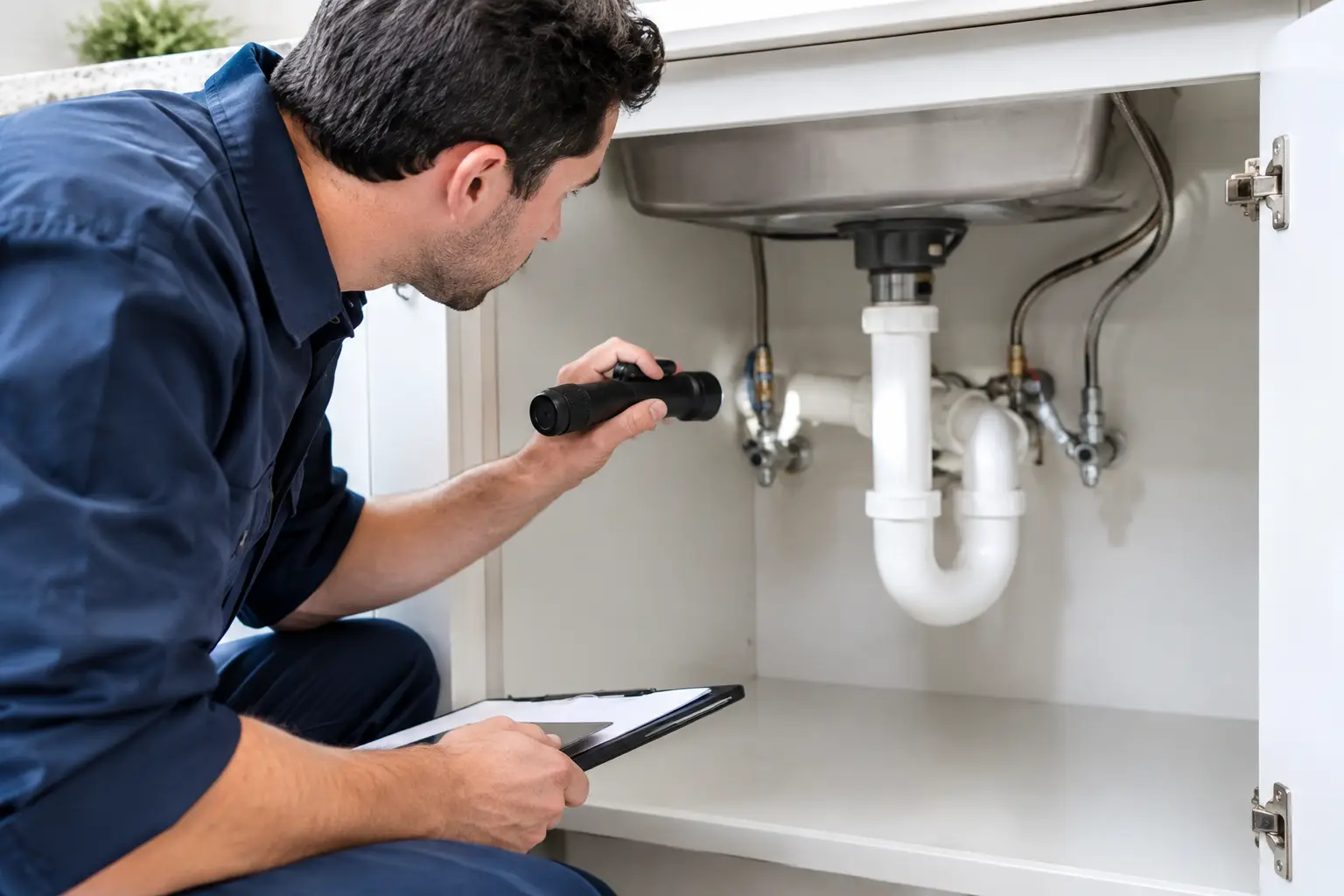
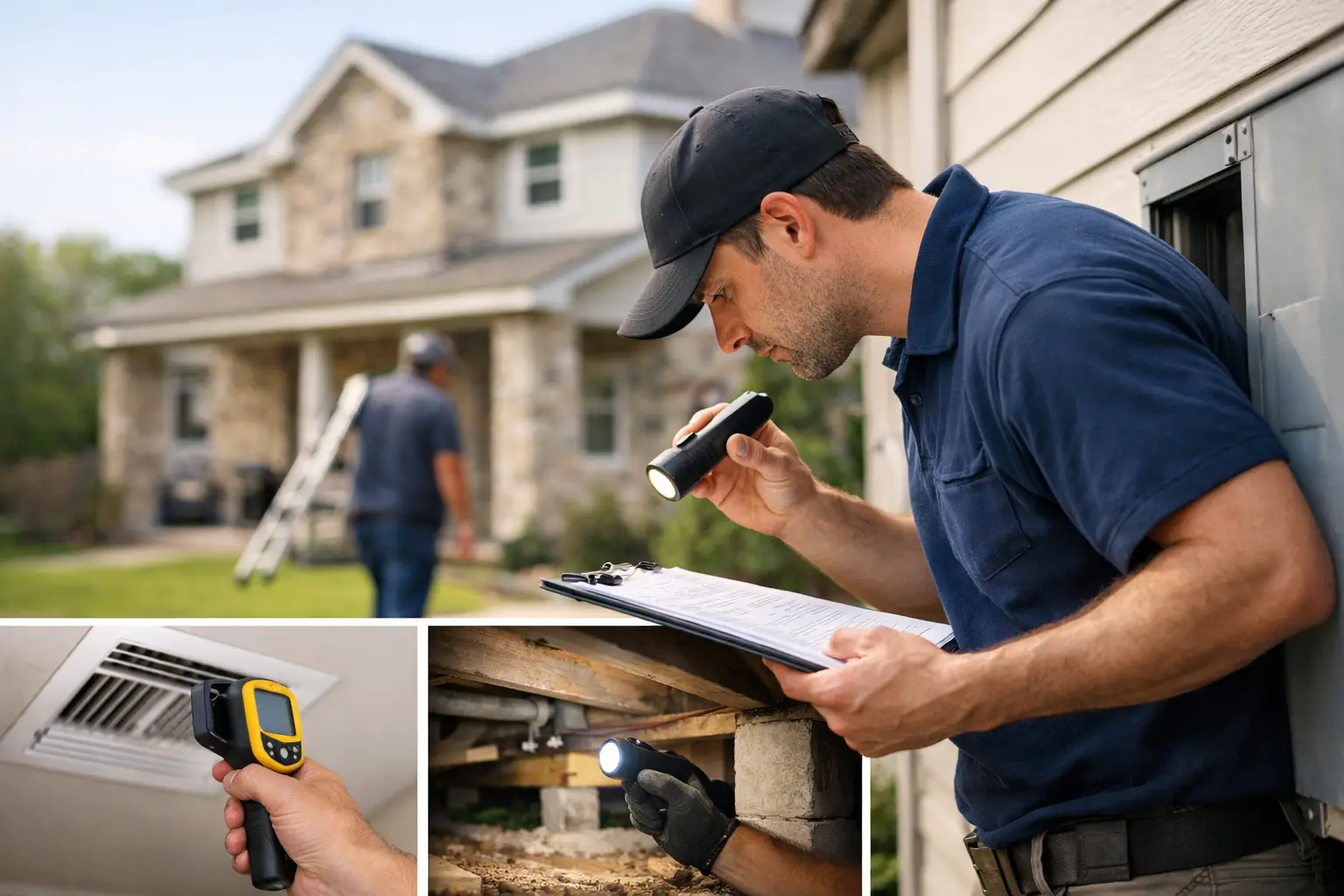
A home inspection is not a task to squeeze in between the offer and closing. It is one of the few moments when you can investigate the property before it becomes your responsibility. This guide to home inspection timelines explains how Texas buyers can plan the process, protect their option period, and avoid costly surprises without creating unnecessary stress in the transaction.
For most buyers, the best time to think about an inspection is before the offer is even accepted. Know who you want to call, understand the inspection contingency or option period in your contract, and be ready to schedule quickly once the seller accepts. A rushed inspection can still uncover serious concerns, but a well-planned one gives you more time to understand the findings and decide what to do next.
The Home Inspection Timeline Starts With Your Contract
In Texas, many resale contracts include an option period. This is a negotiated window that gives the buyer the right to terminate the contract for any reason, subject to the contract terms. It is often the period during which buyers schedule their general home inspection, review the report, obtain estimates, and request repairs or concessions.
The length of the option period varies. It may be only a few days in a competitive market, or it may be longer when the parties negotiate more time. Do not assume you will have a full week or more. Read the dates in your signed contract and confirm them with your real estate agent.
The practical goal is simple: schedule the inspection as early as possible. If your option period begins on a Friday and you wait until Monday to contact an inspector, you may lose valuable time. You still need room to read the report, ask questions, bring in specialists when needed, and make a decision before the deadline.
A smart target: inspect within the first few days
Whenever access and scheduling allow, aim to complete the inspection within the first two or three days of the option period. That timeline gives you breathing room if the inspection identifies a concern that deserves a closer look, such as an aging roof, drainage issues, electrical safety concerns, a possible plumbing leak, or HVAC performance problems.
This does not mean every property needs extensive follow-up evaluations. Many homes have routine maintenance items that do not require another appointment. The difference is whether a finding may involve a meaningful repair cost, a safety issue, or an unknown condition that cannot be confirmed during a visual inspection.
What Happens Before the Inspection Appointment
Once your inspection is scheduled, the seller or listing agent must provide access to the home. Utilities should generally be on so the inspector can evaluate accessible electrical, plumbing, heating, cooling, and appliance functions. If a utility is off, a system may not be testable, and you may need to arrange a return visit or accept that limitation.
Before the appointment, gather the information that will help you make decisions quickly. Review the seller’s disclosure, if available, and note any visible concerns from your showing. If the home has a pool, spa, pier-and-beam foundation, older sewer line, large trees near the structure, or signs of past moisture intrusion, consider whether add-on services may be appropriate from the start.
For Houston-area homes, this planning matters. Expansive clay soils, heavy rain, high humidity, aging HVAC equipment, and storm exposure can all affect what deserves closer attention. A newer home is not automatically free of defects, and an older home is not automatically a bad investment. The inspection helps put the home’s condition in context.
How Long Does a Home Inspection Take?
A typical pre-purchase home inspection often takes about two to four hours. The exact timing depends on the home’s size, age, condition, accessible components, and added services. A small, well-maintained condominium may take less time than a large older home with a pool, multiple HVAC systems, and numerous areas requiring documentation.
A thorough inspection should not feel rushed. The inspector is evaluating visible and accessible portions of major systems and components, including the structure, roof, electrical system, plumbing, HVAC, interior, exterior, attic, and built-in appliances where applicable. Photos and clear descriptions take time, especially when conditions need to be documented for later review.
Buyers are often welcome to attend, particularly near the end of the appointment for a walkthrough of the most significant findings. Attendance is helpful, but it is not required. If work, travel, or family obligations prevent you from being there, a detailed digital report and post-inspection support can still give you a clear path forward.
Add-on services can affect the schedule
Specialized inspections may add time to the appointment or require separate scheduling. A wood-destroying insect inspection can identify evidence of termites or other wood-destroying organisms. A sewer camera inspection can reveal breaks, offsets, root intrusion, or blockages in the underground drain line. Thermal imaging may help identify temperature anomalies that point to moisture concerns, insulation gaps, or electrical issues, while a pool and spa inspection evaluates equipment and visible conditions outside the scope of a standard home inspection.
Not every buyer needs every add-on. The right choice depends on the property and your risk tolerance. For example, a sewer camera inspection may be especially worthwhile for an older home, a home with mature trees, or a property with uncertain drain-line history. If you are unsure, ask before the inspection rather than waiting until the option period is nearly over.
When You Receive the Inspection Report
Report delivery time varies by inspector and the complexity of the property. Many modern inspection firms provide a detailed report on the same day or within 24 hours. At CK Inspections, the goal is to provide organized findings, visual documentation, and practical information buyers can use while their contract deadlines still matter.
When the report arrives, resist the urge to focus only on the total number of items. Even well-built homes can generate a long report because an inspection documents safety concerns, maintenance needs, deferred repairs, and observed defects. A lengthy report does not automatically mean you should walk away from the property.
Start with the conditions that affect safety, major systems, water intrusion, structural performance, or substantial near-term costs. Then separate those issues from ordinary upkeep, cosmetic imperfections, and improvements you may choose to make after closing. Your inspector can help explain what was observed and why it matters, but your agent can help guide the contract and negotiation strategy.
Build Time Into Your Timeline for Decisions
The report is not the finish line. It is the information you need to make a confident decision. Depending on the findings, you may decide to move forward as planned, request repairs, seek a credit or price adjustment, obtain additional evaluation from a licensed specialist, or terminate within your contractual rights.
Give yourself at least a day, when possible, to review the report without pressure. If a major concern appears, contact the appropriate specialist promptly. A roofing contractor, plumber, electrician, HVAC contractor, foundation professional, or structural engineer may be able to provide a more specific evaluation or repair estimate. However, their availability can be limited, particularly after severe weather or during busy seasons.
This is why early scheduling matters so much. Waiting until the final day of an option period can leave you choosing between extending the deadline, accepting uncertainty, or losing the opportunity to act. An extension may be possible if all parties agree, but it is not guaranteed.
Repair requests need a realistic window
If you plan to request repairs or concessions, your agent will usually prepare the appropriate contract paperwork after you have reviewed the findings. Sellers may agree, decline, offer an alternative, or negotiate. Even when everyone is cooperative, this can take time.
Be specific about outcomes, not just symptoms. For instance, a request to have a licensed professional evaluate and repair an active plumbing leak is more useful than a vague request to “fix plumbing.” For significant issues, ask for documentation, invoices, or transferable warranties when repairs are completed.
Keep in mind that a seller repair is not always the best answer. Sometimes a credit, price adjustment, or decision to handle the work after closing offers more control. It depends on the urgency of the issue, lender requirements, the seller’s willingness, and whether you trust the scope and quality of the proposed repair.
A Practical Guide to Home Inspection Timelines Before Closing
After the option period and negotiations are complete, do not mentally file the inspection report away. Use it as a homeownership planning document. Create a short list of immediate safety items, repairs to address within the first year, and routine maintenance to monitor over time. This approach turns the report from a stressful transaction document into a useful guide for protecting your investment.
A final walkthrough before closing is also valuable. Confirm that the home is in the expected condition, agreed-upon repairs appear complete, and no new damage has occurred. If repairs were negotiated, review the available documentation and raise questions before you sign closing documents.
The right timeline gives you more than a report. It gives you enough room to ask better questions, weigh real costs, and decide whether the home is truly right for you. Schedule early, keep your contract dates visible, and do not buy blind when the condition of the property can still be evaluated.