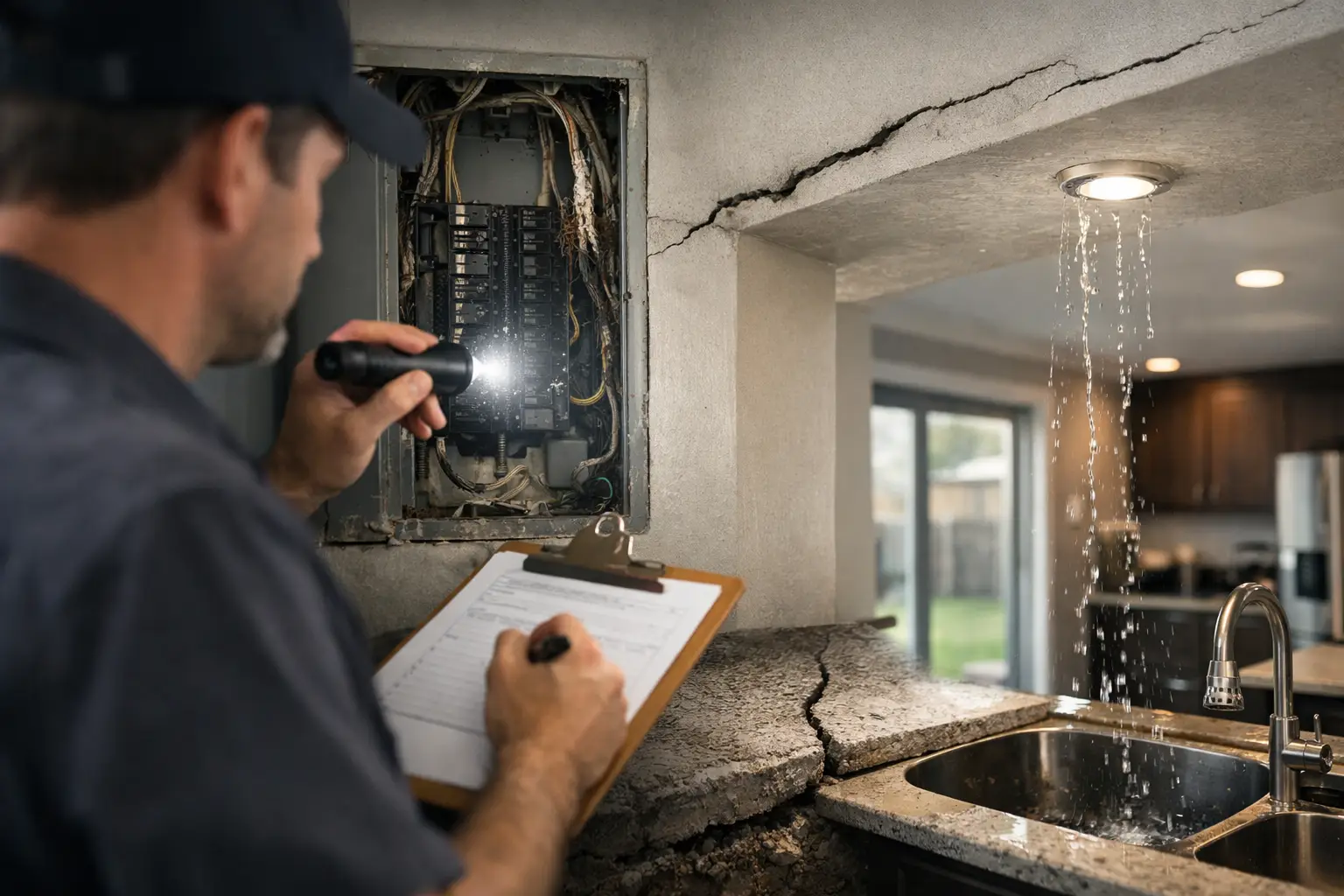
A beautiful home can still have a failing sewer line, an overheated electrical panel, or a roof nearing the end of its service life. That is why inspector findings that affect closing deserve more than a quick look at the summary page. Before you remove contingencies or finalize a repair request, you need to understand what the finding means, how urgently it needs attention, and what it could cost after you own the home.
A home inspection does not pass or fail a property. It gives you a clear picture of its visible condition on the day of the inspection. Some findings are normal maintenance items. Others can change the financial terms of the deal, delay closing, or cause a buyer to reconsider the purchase altogether.
Which Inspector Findings Affect Closing Most Often?
The findings most likely to affect a closing involve safety, major systems, water intrusion, structural performance, or an expense large enough to change your budget. In the Houston area, heat, humidity, heavy rain, expansive clay soils, and storm exposure can make certain issues especially significant.
Active water intrusion and drainage concerns
Water is one of the most expensive problems a home can hide. A stain on a ceiling may be old, but an active roof leak, wet attic framing, moisture around windows, or signs of water entering the home can point to a current problem that needs further evaluation.
Outside, poor grading, clogged or missing gutters, downspouts that discharge near the foundation, and standing water near the home deserve attention. Not every drainage concern means foundation damage exists, but repeated moisture movement around a Texas slab foundation can create costly risk over time. If the inspector identifies active moisture or visible movement, ask whether a licensed specialist should evaluate the condition before you proceed.
Roof damage and limited remaining life
A roof does not need to be brand new to close on a home, but visible damage can complicate the transaction. Missing shingles, exposed fasteners, deteriorated flashing, soft roof decking, damaged vents, or evidence of leaks may lead to a repair negotiation or a request for a roofing evaluation.
Age matters, too. If a roof is near the end of its expected life, a seller may not agree to replacement when no active leak is visible. Still, buyers should factor replacement into their near-term ownership costs. Insurance availability can also become a practical concern when an older roof is involved, particularly after severe weather events. A repair credit may be more useful than a rushed seller repair, but only if your lender and insurance provider allow it.
Electrical hazards
Electrical findings can affect closing quickly because they may involve immediate safety concerns. Common examples include exposed wiring, open junction boxes, double-tapped breakers where not permitted, overheating evidence, missing bonding, damaged service equipment, improper wiring at outlets, and older panel components that may require specialist review.
Some electrical corrections are relatively straightforward. Others require work by a licensed electrician and may uncover additional conditions once panels or walls are opened. The inspection report can identify visible defects, but a qualified electrician should determine the proper scope of repair when safety or service equipment is involved.
Plumbing leaks, sewer issues, and aging supply lines
A dripping fixture may be a manageable repair. A leaking supply line inside a cabinet, a deteriorated water heater, a slow drain serving multiple fixtures, or evidence of a drain-line backup can be more serious.
Sewer line problems are easy to miss during a standard home inspection because much of the line is underground. A sewer camera inspection can reveal offsets, cracking, root intrusion, bellies, or obstructions that could lead to backups after move-in. For older homes, homes with large trees, or properties showing slow drainage, this added evaluation can protect you from a major surprise.
Water heater conditions also deserve close review. Improper venting, missing safety components, corrosion, active leaking, or an aged unit may justify a repair request or a budget adjustment. The right response depends on whether the issue is an immediate hazard, an active failure, or a unit simply approaching replacement age.
HVAC defects in Texas heat
In Greater Houston, Cypress, Katy, and nearby communities, air conditioning is not a convenience you can comfortably postpone. An HVAC system that is not cooling adequately, has damaged components, shows signs of refrigerant issues, or appears near the end of its service life can affect both your negotiating position and your first summer in the home.
An inspection can identify observable concerns, but an HVAC technician may be needed to test performance in greater depth or provide a repair estimate. If a system is operating but older, the seller may resist a replacement request. In that situation, a credit, home warranty decision, or purchase price adjustment may be worth discussing. Just remember that warranties often have limitations, waiting periods, and coverage exclusions.
Foundation movement and structural concerns
Hairline cracks in concrete, drywall, or brick are not automatic proof of a structural problem. Homes settle, materials expand and contract, and minor cosmetic cracking is common. What matters is the pattern, location, severity, and whether other signs support the concern.
Doors that will not latch, uneven floors, cracks that widen, displaced brick, significant slab cracking, or structural framing concerns may warrant further evaluation by a qualified structural professional. This is one of the clearest examples of why buyers should not rely on guesswork. A foundation repair can be expensive, but unnecessary repairs can be expensive too. Get the right expert involved before making a major decision.
Wood-destroying insects and concealed damage
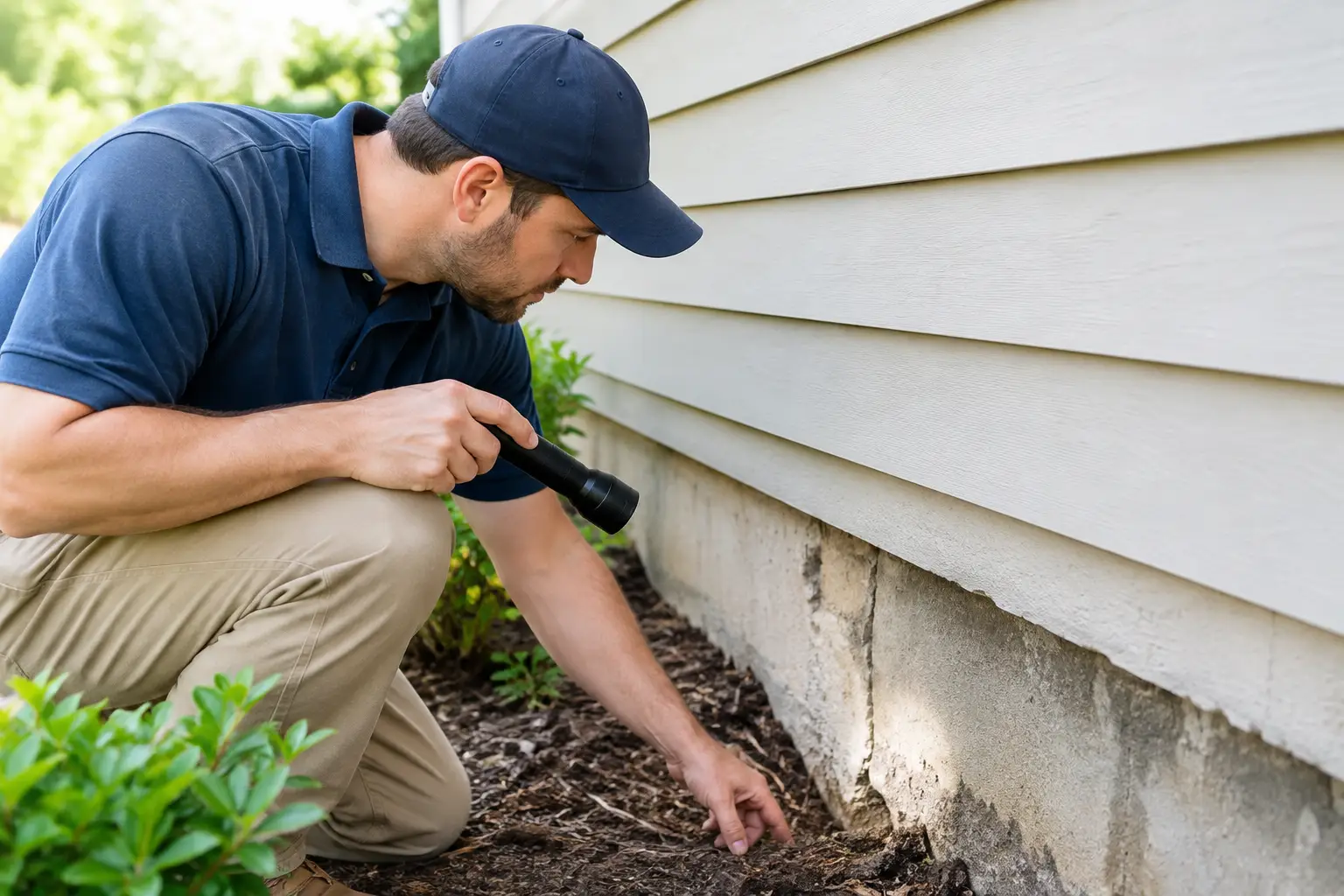
Termites and other wood-destroying insects can affect closing when there is active infestation, visible damage, or evidence that conditions around the home are inviting future activity. Moisture near the foundation, wood-to-soil contact, leaking plumbing, and poorly maintained exterior materials can all contribute to risk.
A wood-destroying insect inspection helps separate a small, treatable concern from damage that requires repair. The goal is not to create alarm. It is to understand whether treatment, correction of contributing conditions, or further evaluation is needed before you take ownership.
How Buyers Should Respond to Major Findings
First, read the full report, not only the highlighted items. Photos, locations, and written observations provide context that a verbal recap may not capture. A detailed report helps you prioritize findings based on safety, active damage, likely cost, and the risk of the issue becoming worse.
Next, distinguish between defects and maintenance. A loose handrail, active plumbing leak, or unsafe electrical condition is different from a dirty air filter or aging caulk. Sellers are not usually expected to deliver a perfect home, especially in a resale transaction. Your strongest repair requests focus on material defects, safety issues, and conditions that were not reasonably apparent before the inspection.
Then obtain specialist input when needed. A roofer, plumber, electrician, HVAC contractor, structural engineer, or sewer professional can clarify the scope and estimated cost of a concern. Do not ask a seller to make a vague repair such as “fix foundation issue.” Request documentation, a defined repair scope, and work by appropriately qualified professionals when the issue warrants it.
Finally, work with your real estate agent to choose the response that fits the deal. Depending on the contract, inspection timeline, lender requirements, and seller cooperation, you may request repairs, ask for a credit, negotiate the purchase price, accept the condition with a plan for repairs, or terminate within your contractual option period. Your agent and legal counsel can advise you on contract rights. An inspector identifies conditions; they do not negotiate the transaction or guarantee future performance.
Repairs, Credits, or Walking Away?
There is no single best answer. Seller repairs can be helpful when a safety issue must be corrected before closing, but rushed work may not always meet your expectations. If repairs are agreed upon, ask for invoices, receipts, and relevant warranties. A reinspection can confirm whether the visible repair appears complete, though it is not a warranty of contractor work.
A credit can give you more control over who completes the repair after closing. However, credits may be limited by your loan type, lender rules, appraisal considerations, or closing-cost structure. A price reduction may help overall affordability but does not put cash in your hand for immediate repairs. These details matter, especially for first-time and VA buyers working within a defined budget.
Walking away can be the right choice when the risk, cost, or uncertainty no longer fits your plans. That is not a failed inspection. It is the inspection doing its job: giving you the information needed to avoid buying blind.
Protect Your Decision Before the Option Period Ends
The best time to understand a home’s condition is before you are committed to its repair bills. CK Inspections provides organized findings, visual documentation, and clear communication so buyers can focus on what deserves attention without getting overwhelmed by every minor maintenance note.
A home does not need to be flawless to be a sound purchase. It does need to make financial and practical sense for you. Give significant findings the time they deserve, ask the right professionals for clarification, and move forward only when you understand the condition you are agreeing to own.