A buyer can walk through a home, test faucets, flush toilets, and still miss one of the most expensive plumbing problems on the property. That is why the question of sewer scope vs plumbing inspection matters so much before closing. These two services sound similar, but they answer different questions and protect you from different risks.
For homebuyers in Houston, Cypress, Katy, and nearby areas, the difference is more than technical. It can affect your repair negotiations, your budget after move-in, and your confidence in the purchase. If you are trying to decide whether one inspection is enough, the short answer is this: a standard plumbing inspection and a sewer scope are not the same service, and one does not replace the other.
Sewer scope vs plumbing inspection: what is the difference?
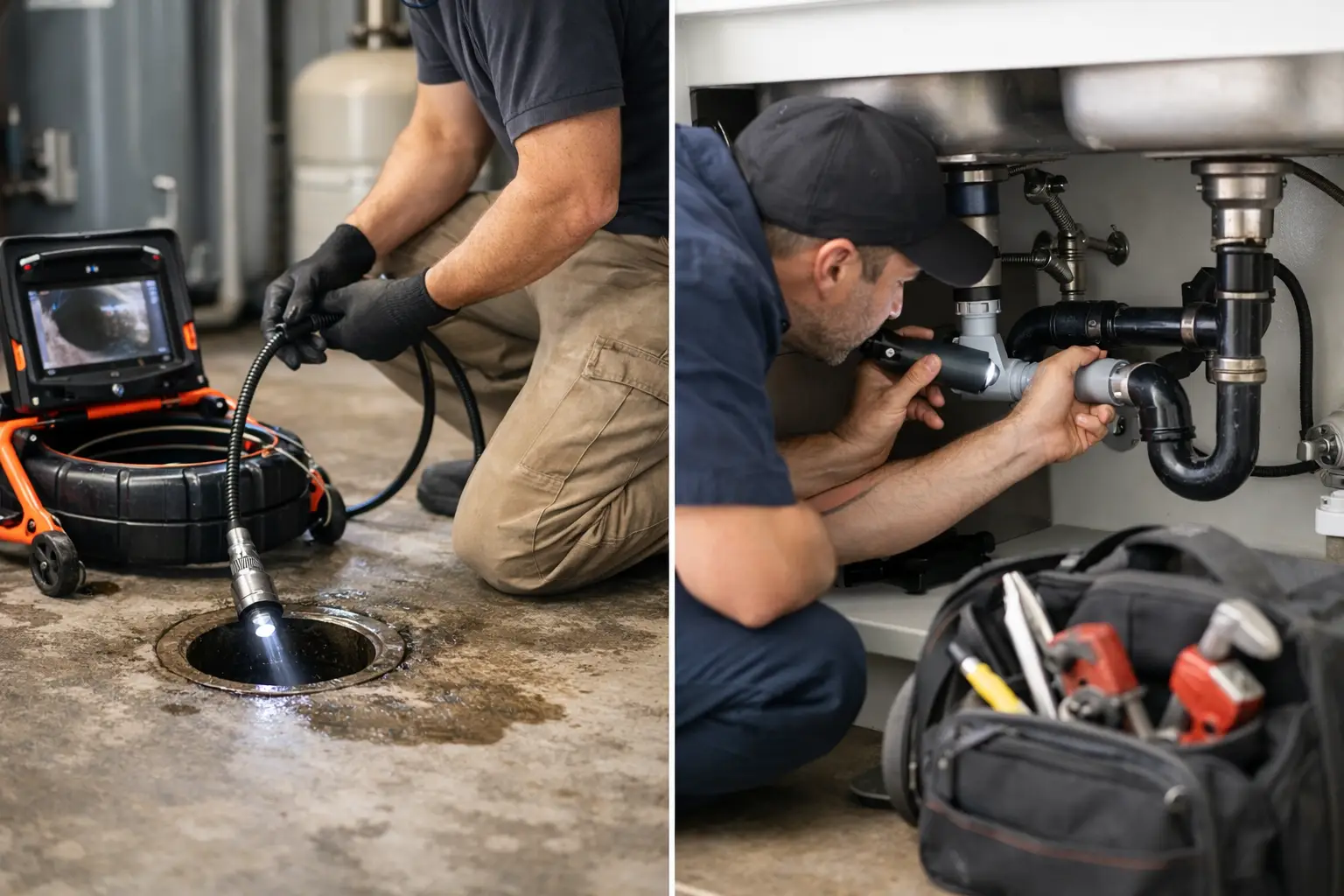
A plumbing inspection looks at the visible and accessible parts of the home’s plumbing system. That usually includes fixtures, supply lines, drain function at sinks and tubs, water heater performance, signs of leaks, and the general condition of plumbing components that can be reached during the inspection.
A sewer scope is much narrower in focus, but it goes deeper into a hidden area that a standard inspection usually cannot fully evaluate. It uses a specialized camera inserted into the sewer line to view the inside of the main drain pipe as it runs from the house toward the city connection or septic system.
In simple terms, a plumbing inspection checks how the home’s plumbing system is functioning overall. A sewer scope checks the condition of the buried drain line that carries wastewater away from the home. Both matter, but they are looking at different parts of the picture.
What a plumbing inspection usually covers
During a home inspection, the plumbing portion is designed to identify visible defects and performance concerns. Inspectors are looking for active leaks, poor water pressure, slow drains, damaged fixtures, missing shut-off valves, signs of prior repairs, and safety issues around the water heater.
This can reveal a lot. A plumbing inspection may uncover corroded supply piping, improper drain connections, leaking under-sink plumbing, or water heater problems that need immediate attention. It also helps buyers understand the general condition of the system they will be inheriting.
What it usually does not do is show the interior condition of the underground sewer lateral. If the line is cracked, offset, blocked by roots, or holding water below grade, those issues may not be visible from inside the home. A sink can drain during the inspection and the sewer line can still have a serious defect waiting to become your problem.
That is where many buyers get caught off guard.
What a sewer scope reveals that a plumbing inspection can miss
A sewer scope is valuable because sewer lines fail quietly. The evidence often stays hidden until the problem gets bad enough to cause backups, foul odors, soggy yard areas, or expensive excavation work.
With a camera inspection, buyers can see issues such as root intrusion, cracks, separated joints, corrosion, sagging sections known as bellies, scale buildup, and heavy blockages. In older homes, especially those with cast iron, clay, or Orangeburg components, this matters even more. Age alone does not confirm failure, but older materials do carry a higher risk of hidden defects.
Even newer homes are not automatically in the clear. Construction debris, improper installation, poor slope, or damage from shifting soil can affect sewer lines in relatively recent builds. In Texas, where soil movement can be a factor, underground piping deserves attention.
A sewer scope does not replace the broader plumbing review, but it can answer one question a standard inspection cannot fully answer: what is happening inside the main sewer line?
Why homebuyers often need both
When people compare sewer scope vs plumbing inspection, they sometimes assume they need to choose one. In most home purchase situations, that is the wrong way to look at it. These services are complementary.
If you only get a plumbing inspection, you may understand the visible condition of the home but still miss a buried sewer defect that could cost thousands to correct. If you only get a sewer scope, you may know the main drain line is clear while overlooking leaks, fixture issues, water heater concerns, or other plumbing defects inside the house.
A homebuyer wants a more complete risk picture. Getting both services gives you stronger information before you commit to one of the biggest purchases of your life. That is especially helpful when inspection timelines are tight and repair negotiations need to be grounded in clear findings.
When a sewer scope becomes even more important
Some properties carry a higher need for a sewer camera inspection. Older homes are the obvious example, but they are not the only ones. If the home has mature trees near the sewer path, recurring drain issues, evidence of past backups, or a long sewer run to the street, the value of a scope goes up.
Homes that have been flipped also deserve a closer look. Cosmetic improvements can make a property look updated while hidden infrastructure remains untouched. New flooring and fresh paint will not tell you whether the main sewer line is cracked.
Buyers who are already stretching their budget should also think seriously about it. A sewer repair or replacement shortly after move-in can create a financial strain that many families are not prepared for. Spending more on due diligence can be far less painful than inheriting a major buried line problem.
Common misunderstandings about these inspections
One common assumption is that if toilets flush and sinks drain, the sewer line must be fine. That is not always true. A partially blocked or damaged sewer line can still pass wastewater during a limited inspection window.
Another misunderstanding is that a municipal seller disclosure or a recent occupancy history guarantees a healthy line. Sellers may not know about hidden defects, and prior occupants may have lived with slow drainage or temporary fixes without investigating the root cause.
Some buyers also assume a brand-new home does not need a sewer scope. New construction can still have issues, including crushed piping, poor connections, or leftover debris in the line. New does not always mean defect-free.
How this affects negotiations and peace of mind
Inspection findings are not just about gathering information. They give buyers leverage to make smarter decisions. If a sewer scope identifies a major defect before closing, you have options. You may request repairs, negotiate a credit, revisit pricing, or decide the risk is not right for you.
Without that information, the problem often becomes yours the day you take ownership.
This is one reason detailed inspection reporting matters. Clear documentation, photos, and organized findings make it easier to understand the issue and discuss it with your agent. The goal is not to create fear. The goal is to reduce surprises and help you move forward with confidence.
So which inspection should you schedule?
If you are buying a home and trying to choose between these services, start with the reality that they serve different purposes. A standard home inspection with a plumbing evaluation is foundational. It gives you a broad look at the home’s visible plumbing condition and many other systems throughout the property.
A sewer scope is an add-on service that targets one hidden but potentially expensive area. For many buyers, it is a smart layer of protection, especially when the home is older, the drain line risk factors are higher, or the buyer wants a more complete picture before closing.
At CK Inspections, that added visibility is part of helping buyers avoid costly surprises rather than reacting to them after move-in. It is not about adding services for the sake of it. It is about protecting your investment with the right information at the right time.
The best inspection strategy is the one that helps you buy with open eyes. If there is a chance a hidden sewer problem could change your decision, your budget, or your negotiations, it is worth knowing before the house becomes yours.