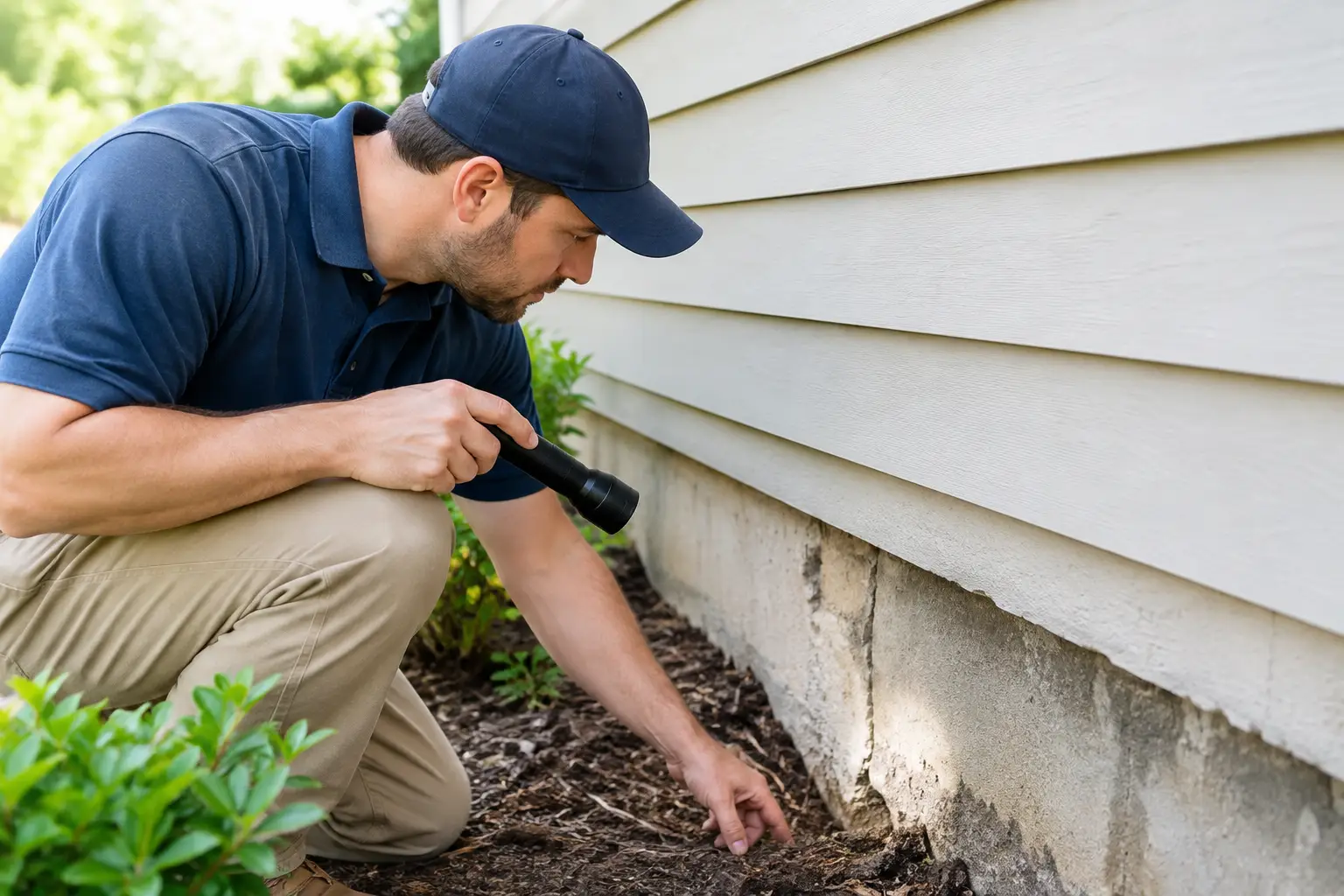
A dark stain below a bathroom window may be old cosmetic damage, or it may be evidence of an active leak hidden behind the wall. That is where thermal imaging vs moisture meter testing matters. These tools serve different purposes, and when used together during a home inspection, they can help identify concerns that a visual walkthrough alone might miss.
For Houston-area buyers, hidden moisture is not a minor concern. Heavy rain, high humidity, aging plumbing, roof penetrations, and hard-working air-conditioning systems can all create conditions where water intrusion develops out of sight. The right inspection tools can provide useful evidence before you take on the cost and responsibility of the home.
Thermal Imaging vs Moisture Meter: The Key Difference
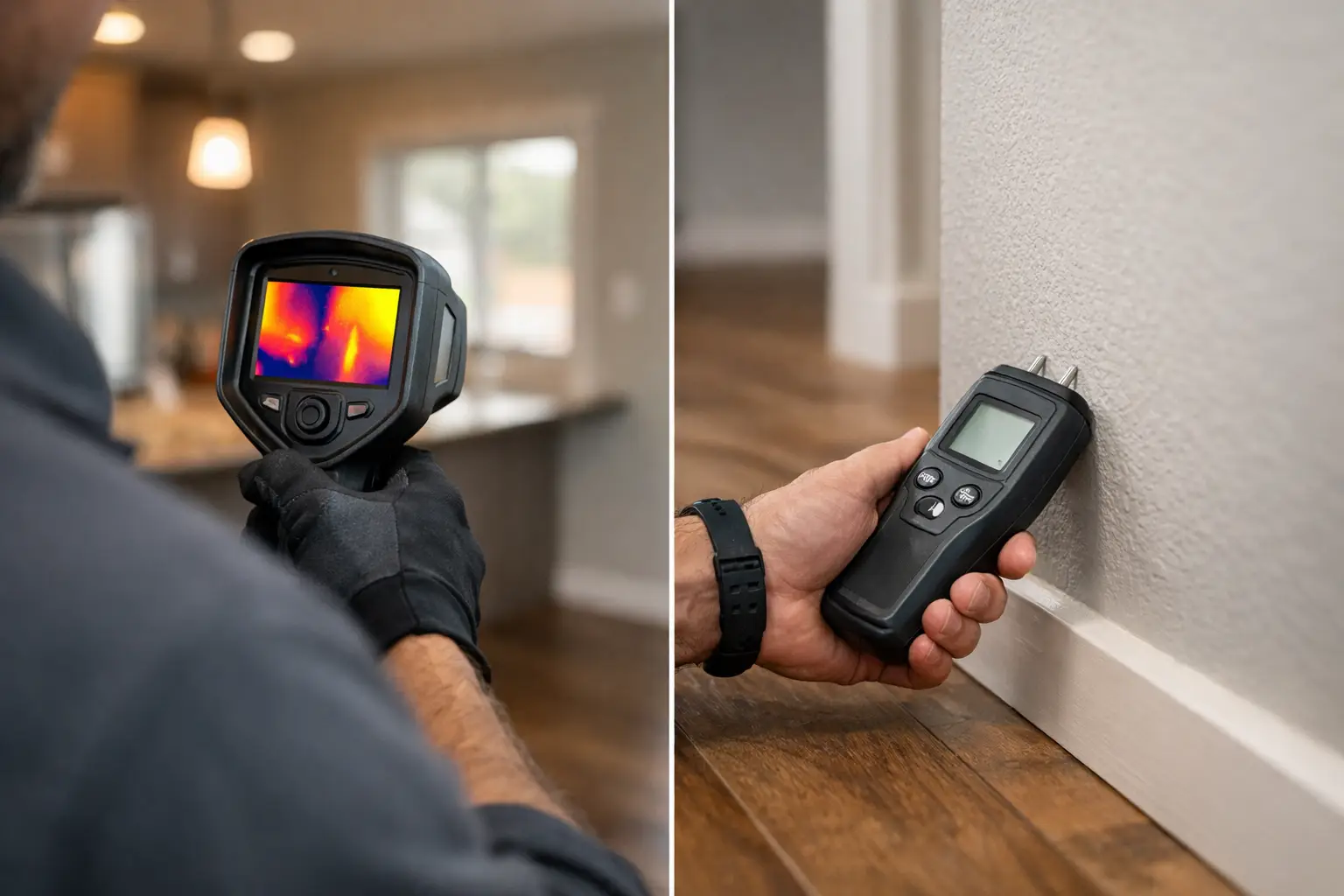
Thermal imaging cameras detect differences in surface temperature. They do not see water through walls, and they do not confirm that a material is wet. Instead, they create an image showing warmer and cooler areas across a surface. A cooler section of ceiling, wall, or flooring may suggest moisture evaporation, air leakage, missing insulation, or an HVAC-related issue that deserves a closer look.
A moisture meter measures the moisture content within or beneath a material, depending on the type of meter and the material being tested. When an inspector finds a suspicious thermal pattern, a moisture meter can help determine whether elevated moisture is present at that location.
Put simply, thermal imaging helps locate anomalies. A moisture meter helps verify whether moisture is likely part of the reason for that anomaly. Neither tool replaces a complete inspection, but both can strengthen the evidence behind an inspection finding.
What Thermal Imaging Can Reveal
A thermal camera is especially useful because it quickly compares temperatures over a broad area. During a residential inspection, an inspector may use it to evaluate ceilings below bathrooms, walls around plumbing fixtures, areas near windows and exterior doors, electrical panels, and HVAC components.
For example, a thermal scan may reveal a cooler pattern on a ceiling below an upstairs shower. That does not automatically mean there is a plumbing leak. The pattern could be caused by a cold air duct above the ceiling, recent use of the shower, an insulation gap, or a temperature difference between rooms. But it gives the inspector a reason to investigate further instead of treating the ceiling as normal because it looks dry from the room.
Thermal imaging can also reveal potential insulation deficiencies, air movement around doors and windows, and overheating electrical components. Those findings may have nothing to do with moisture, yet they can still affect comfort, energy use, safety, and future repair planning.
The limitation is critical: a thermal image is an indicator, not a diagnosis. Temperature differences can be influenced by sunlight, outdoor weather, interior HVAC operation, building materials, furniture, and the time of day. A skilled inspector interprets the image in context rather than relying on colors on a screen.
What a Moisture Meter Can Confirm
A moisture meter is a targeted tool. It is used after a visual condition, thermal anomaly, or known risk area calls for closer evaluation. Depending on the meter, it may use pins that touch the material or a pinless sensor that scans below the surface.
Pin meters can provide a more direct reading at the contact point, though they may leave tiny probe holes and are not appropriate for every finished surface. Pinless meters are non-invasive and useful for scanning drywall, wood, and other materials, but their readings can be affected by density, metal behind a wall, and the material being tested.
This is why a moisture reading should never be viewed in isolation. A high reading near a shower may support concern about an active or recent leak. The same reading near metal corner bead, plumbing lines, or certain tile installations may require additional investigation before any conclusion is made.
During a pre-purchase inspection, moisture meter testing can help document conditions around areas such as:
- ceilings below bathrooms or roof valleys
- walls near tubs, showers, and plumbing supply lines
- window sills and exterior wall openings
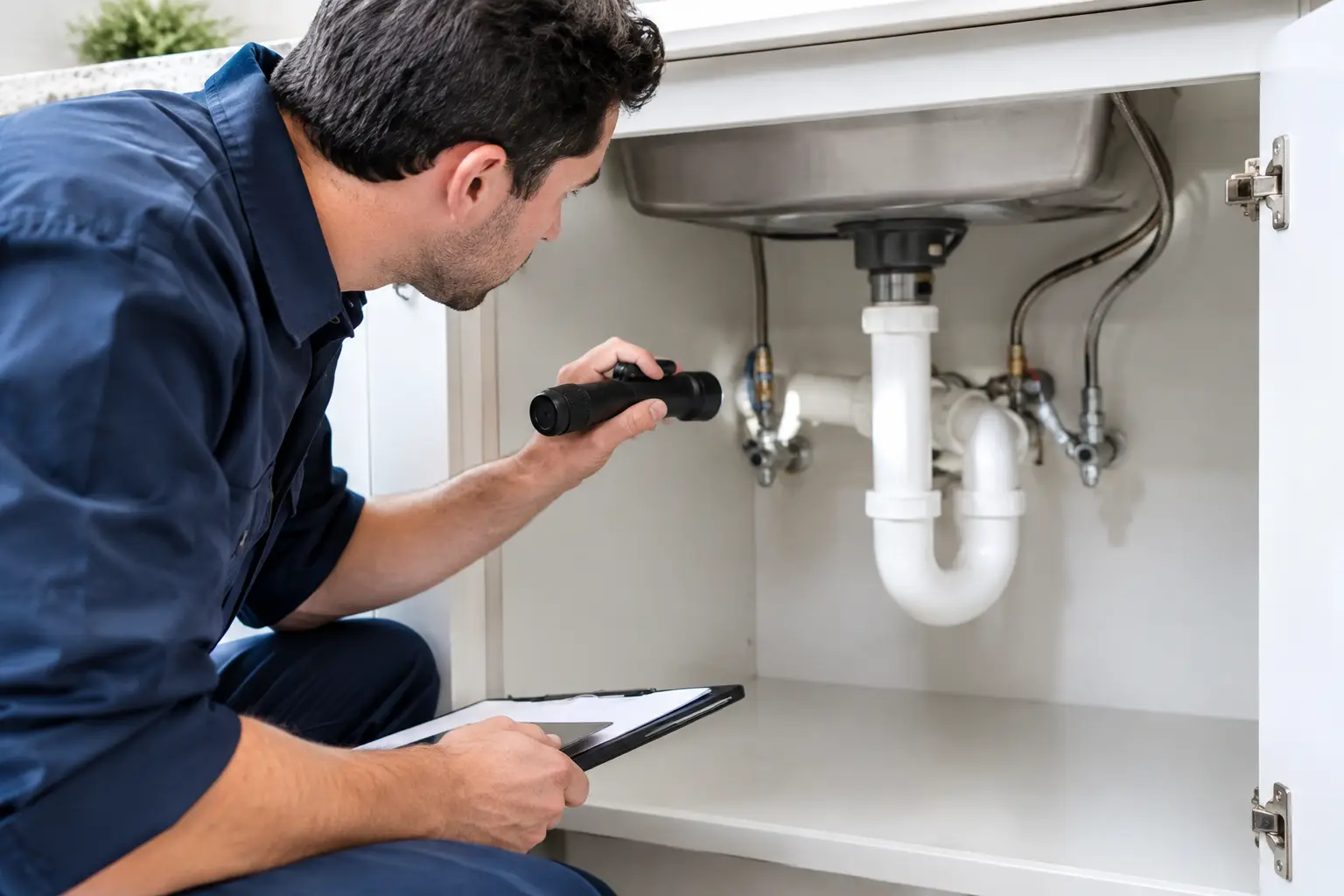
- cabinets below sinks
- flooring near refrigerators, water heaters, and laundry connections
- suspected roof leaks in attic spaces or interior ceilings
For a buyer, the value is not simply getting a number. It is understanding what that number may mean, where the concern is located, and what follow-up is reasonable before closing.
Why Both Tools Matter in a Texas Home Inspection
Houston, Cypress, Katy, and surrounding communities face a mix of moisture-related risks. Intense rain can expose roof, flashing, gutter, and window drainage defects. Long cooling seasons can create condensation around improperly insulated ductwork or HVAC equipment. Foundation movement can open gaps around exterior penetrations, allowing water to enter where it should not.
A visual inspection may identify staining, damaged caulk, deteriorated drywall, or corrosion under a sink. However, not every moisture issue leaves an obvious mark. A thermal camera can help identify areas that warrant attention, while a moisture meter can provide a more direct check of the material condition.
Consider a home with a freshly painted ceiling. Paint may improve appearance, but it does not answer whether the underlying source of prior staining has been repaired. If a thermal scan shows an unusual pattern and moisture readings are elevated, the buyer has a clearer reason to request further evaluation by a qualified contractor, plumber, roofer, or restoration specialist.
On the other hand, if the thermal pattern is present but moisture readings are normal and no visual damage is found, the issue may be related to insulation or HVAC performance rather than an active leak. That is still worth documenting, but it calls for a different conversation and a more measured repair request.
When Neither Tool Can Give a Final Answer
Homebuyers deserve clear information, not false certainty. Thermal imaging and moisture meters are valuable inspection tools, but there are limits to what can be determined during a non-invasive inspection.
An inspector cannot see inside every wall cavity, remove finishes, operate inaccessible plumbing, or predict when an intermittent leak will recur. A leak may be dry on inspection day. A roof may only leak during wind-driven rain. A shower pan may have a problem that does not appear during normal use. Conversely, a localized elevated moisture reading may reflect a recent spill or cleaning rather than a building defect.
The strongest inspection approach combines visual observations, tool findings, building knowledge, accessible testing, and careful reporting. When evidence supports a concern, the report should identify the location, describe the observed condition, include relevant images when available, and recommend the appropriate next step.
What Buyers Should Ask When Moisture Is Found
If moisture-related concerns appear in your inspection report, focus on practical questions. Ask whether the condition appears active or historic, what areas were affected, whether damage was visible, and which specialist is best suited to evaluate the source. It is also reasonable to ask whether the condition should be addressed before closing or whether it should be included in repair negotiations.
Avoid accepting a quick cosmetic repair as proof that the problem is resolved. New paint, fresh caulk, or a cleaned stain may improve the appearance without correcting a failed flashing detail, leaking drain connection, or deteriorated shower enclosure. Documentation from qualified repairs can be useful, particularly when the concern involves roofing, plumbing, or significant interior damage.
CK Inspections uses modern inspection methods and clear visual reporting to help buyers understand findings without unnecessary jargon. The goal is not to create alarm over every temperature variation. It is to help you recognize meaningful risks, ask informed questions, and avoid costly surprises after move-in.
Before you commit to a property, make sure the inspection looks beyond what is easy to see. A careful combination of thermal imaging, moisture testing, and experienced judgment can turn a questionable stain or suspicious wall area into the information you need to make a confident decision.