The house can look move-in ready during a showing and still have expensive problems behind a freshly painted wall, above a ceiling, or beneath the slab. A professional home inspection gives you a clearer picture before your option period and closing deadlines put pressure on the decision. Don’t buy blind when a careful evaluation can help you understand what you are actually purchasing.
For Houston-area buyers, that clarity matters. Heat, humidity, heavy rain, clay soil, and long cooling seasons place real demands on a property’s roof, drainage, foundation, HVAC equipment, and electrical systems. An inspection cannot predict every future repair, but it can identify visible defects, safety concerns, and signs that further evaluation may be needed.
What a Home Inspection Is Designed to Do
A pre-purchase inspection is a visual, non-invasive assessment of a home’s readily accessible systems and components. The purpose is not to make a home pass or fail. Every property, including new construction, will have maintenance items and imperfections. The goal is to give you organized, documented information so you can make a confident decision based on the home’s present condition.
Your inspector evaluates major areas of the property, including:
- Structural components, foundations, grading, drainage, and visible signs of movement
- Roofing materials, attic conditions, exterior cladding, windows, doors, and garage systems
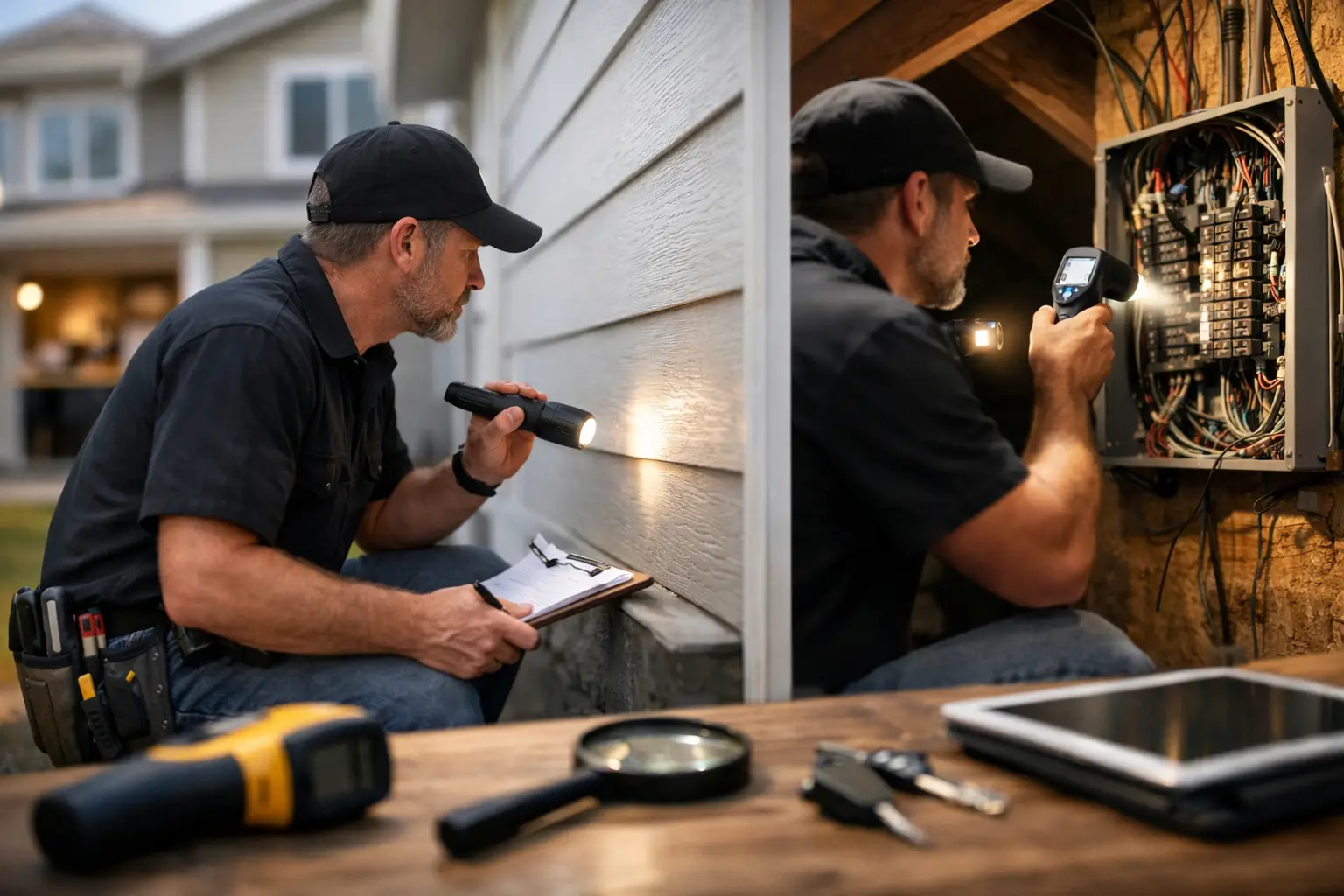
- Electrical panels, visible wiring, outlets, fixtures, and safety-related conditions
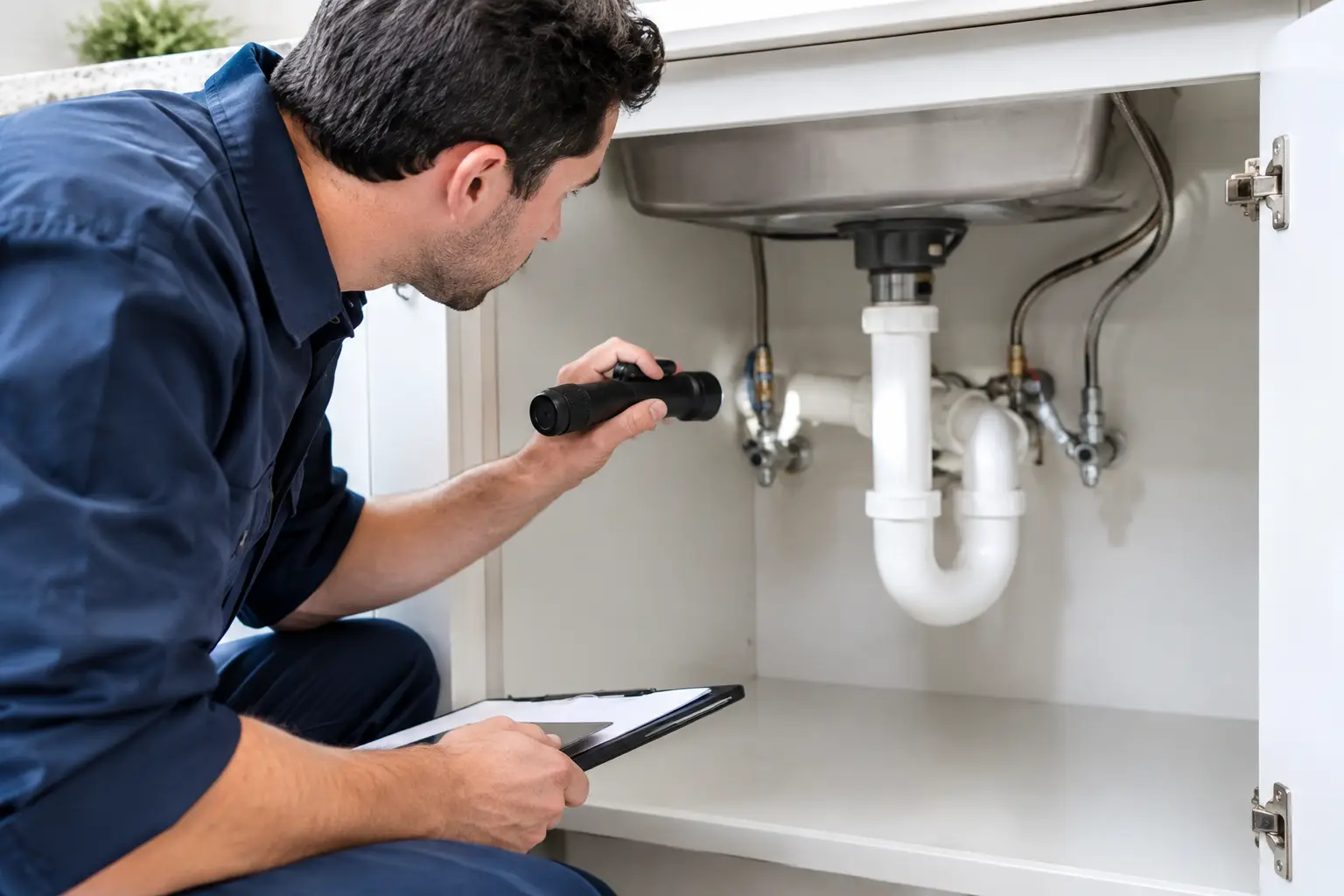
- Plumbing fixtures, water supply lines, drains, water heaters, and visible leaks
- Heating and cooling equipment, ductwork, insulation, and ventilation
- Interior rooms, ceilings, walls, floors, stairs, fireplaces, and built-in appliances
The finished report should do more than list observations. It should use clear descriptions and photos to show what was found, where it was found, and why the item deserves your attention. That makes it easier to discuss priorities with your agent, a contractor, or the seller.
Why Houston-Area Homes Need a Careful Look
Texas homes face conditions that can turn a small maintenance issue into a significant expense. A roof that appears acceptable from the driveway may have damaged flashing, aging sealant, exposed fasteners, or drainage conditions that allow water intrusion. In a climate where storms can arrive quickly, those details matter.
Foundation concerns also deserve context. Houston’s expansive clay soils can swell when wet and contract during dry periods. Cracks alone do not automatically mean a major structural failure, but certain patterns, uneven floors, sticking doors, separation at trim, or drainage problems can point to movement worth further review. A qualified inspector documents visible evidence and may recommend evaluation by a structural engineer when the signs justify it.
HVAC performance is equally important. Air conditioning is not a luxury in Greater Houston. An inspection can identify equipment age, visible installation concerns, improper condensate drainage, damaged insulation, or systems that are not cooling or heating as expected at the time of the inspection. A system may operate during the appointment and still be near the end of its service life, which is useful information when planning your first year of ownership.
What an Inspection Can and Cannot Tell You
A good inspection report is protective because it is specific about what can be observed, not because it makes promises no one can keep. Inspectors do not open walls, remove finished surfaces, dismantle equipment, or guarantee that a system will never fail after closing. Some defects are concealed, intermittent, seasonal, or inaccessible on inspection day.
That limitation does not reduce the value of the process. It defines how to use the findings wisely. If the report identifies active moisture staining, a drain that does not perform properly, an electrical safety concern, or a roof condition that needs repair, you have an opportunity to ask questions before the property becomes your responsibility.
It also helps to distinguish between repair priorities. A loose cabinet pull is not in the same category as a deteriorated roof covering or an unsafe electrical panel condition. Your report should help you focus first on safety issues, water intrusion, major system concerns, and repairs likely to affect cost, insurance, or livability. Cosmetic items and routine maintenance can still be worth noting, but they should not distract from the conditions that could materially change your decision.
Add-On Services That Can Reveal More
Some homes need more than a standard visual inspection. The right add-on depends on the property, its age, its features, and what is visible during the appointment.
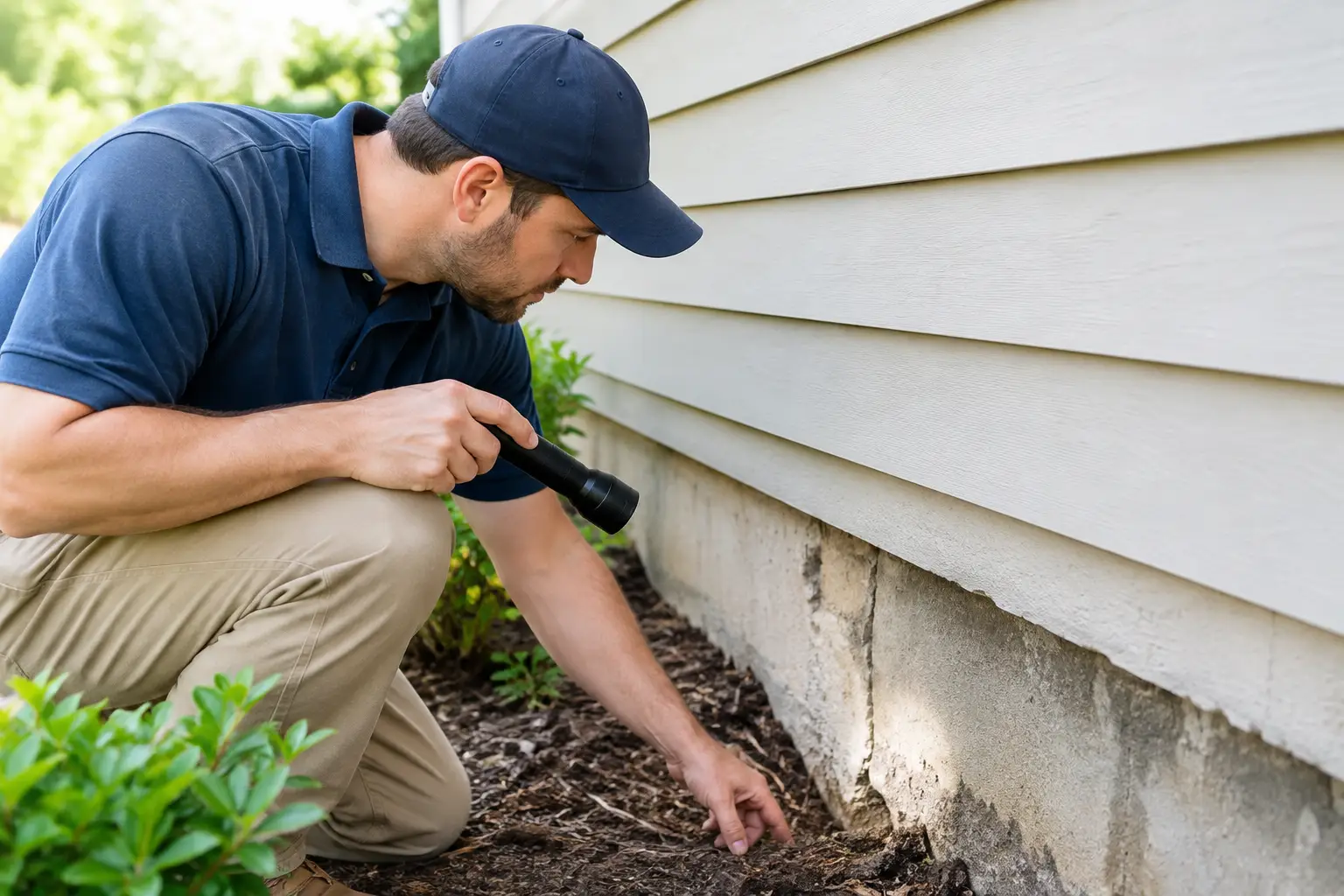
A wood-destroying insect inspection can identify visible evidence of termites and other organisms that damage wood. This is particularly useful in warm, humid areas where conditions can support pest activity. A clear report can help buyers understand whether treatment, repair, or further evaluation is appropriate.
A sewer line camera inspection can be a smart consideration for older homes, properties with mature trees, or homes showing slow drains and other warning signs. The line beneath the home is not fully evaluated during a standard inspection, yet a damaged, offset, or obstructed sewer line can be costly to repair. Camera footage provides direct information about a system that would otherwise remain out of sight.
Thermal imaging can help identify temperature differences that may suggest missing insulation, moisture concerns, or electrical hot spots. It is a useful screening tool, not a standalone diagnosis. When an unusual pattern appears, the next step may be further investigation by the appropriate specialist.
For homes with a pool or spa, a dedicated pool and spa inspection can evaluate accessible equipment, visible safety features, surfaces, and operating conditions. Pools have their own pumps, heaters, plumbing, electrical components, and maintenance needs. Treating them as an afterthought can leave buyers with surprises after move-in.
How to Use the Report Before Closing
The most valuable part of a home inspection often happens after the inspector leaves. Read the report before your option period expires, starting with the items marked as safety concerns, major defects, or conditions needing prompt attention. Review the photos as you read. Seeing the location and condition helps turn technical language into a practical understanding of the home.
Then discuss the findings with your real estate agent. Depending on the contract, market conditions, and the nature of the defects, you may request repairs, seek a credit, renegotiate, obtain contractor estimates, or decide the property is not the right fit. There is no single correct response. A competitive market may limit negotiations, while a significant safety or water intrusion concern may justify a firmer approach.
Avoid asking for a long list of minor fixes simply because they appear in the report. Sellers are more likely to engage productively when requests are tied to substantial defects, safety, function, or documented repair needs. Keep your attention on the items that protect your investment, not on turning a resale home into a brand-new one.
If you do move forward, save the report. It becomes a useful ownership roadmap. You can address urgent items before move-in, budget for aging systems, and schedule routine maintenance before small concerns grow. A home inspection is not only a negotiation tool. It is one of the first practical records you will have for caring for the property.
Questions Worth Asking Your Inspector
Choose an inspector who welcomes questions and explains findings in plain language. You should understand which conditions need immediate attention, which ones need monitoring, and when a specialist is recommended. Ask whether a concern was active at the time of the inspection, what evidence supports the observation, and what type of professional is best suited to evaluate or repair it.
It is also reasonable to ask what was not inspected and why. A locked room, blocked attic access, stored belongings, standing water, or weather conditions can limit visibility. Clear limitations are a sign of professionalism, because they prevent assumptions about areas that could not be evaluated.
CK Inspections focuses on detailed visual documentation and organized findings so buyers can move from uncertainty to an informed next step. The right inspection experience should leave you better prepared, not overwhelmed by a report full of unfamiliar terms.
A house does not need to be perfect to be a good purchase. It needs to be a purchase you understand. Give yourself enough time to review the evidence, ask direct questions, and make a decision that protects your budget and your peace of mind.