
A home can look updated at every turn and still have an electrical concern behind the walls. So, is aluminum wiring dangerous? It can be, particularly when older aluminum branch-circuit wiring has worn or improperly modified connections. For a homebuyer, the concern is not the metal wire alone. The real question is whether the electrical system has safe, compatible terminations and whether its condition has been properly evaluated before closing.
Many homes built from the mid-1960s into the early 1970s used aluminum wiring for some 120-volt branch circuits. Copper prices were high at the time, and aluminum was a more affordable alternative. That history matters in parts of Greater Houston, where buyers may encounter older homes that have been renovated several times but still retain original wiring in walls, ceilings, or attics.
Aluminum wiring does not automatically mean a home is unsafe or unbuyable. It does mean the electrical system deserves closer attention. Don’t buy blind based on a newly painted interior, updated light fixtures, or a modern-looking electrical panel.
Why Aluminum Wiring Can Become a Safety Concern
Aluminum conducts electricity, but it behaves differently from copper. It expands more when it heats up under electrical load and contracts as it cools. Over years of normal use, that movement can contribute to loose connections at receptacles, switches, light fixtures, breakers, and splices.
Aluminum also forms an oxide layer when exposed to air. That oxide does not conduct electricity as effectively as the metal beneath it. If a connection is loose, corroded, damaged, or made with a device not rated for aluminum conductors, electrical resistance can increase. Resistance creates heat. Heat at a connection can damage insulation, discolor devices, melt components, or in severe cases create a fire hazard.
This is why the issue is often described as a connection problem rather than simply a wire problem. A properly evaluated and professionally remediated aluminum wiring system may perform safely. An older system with undocumented alterations, incompatible devices, or overheated connections presents a different level of risk.
Is Aluminum Wiring Dangerous in Every Older Home?
No. The presence of aluminum wiring should lead to investigation, not panic. Age, installation quality, renovation history, electrical load, and the type of corrective work already completed all affect the answer.
Some homes have aluminum wiring only on certain circuits, while others may have it more extensively. Large aluminum conductors used for service entrance cables, feeders, ranges, dryers, and air-conditioning equipment are common and are handled differently from the smaller solid aluminum conductors found in older branch circuits. Seeing aluminum at the electrical panel does not, by itself, confirm that a home has the branch-circuit wiring most associated with connection concerns.
A buyer should also be cautious about assuming an electrical panel replacement solved every issue. A newer panel can be a positive improvement, but it does not necessarily replace wiring throughout the home or correct every connection at outlets, switches, fixtures, junction boxes, and appliances.
What a Home Inspection Can and Cannot Tell You
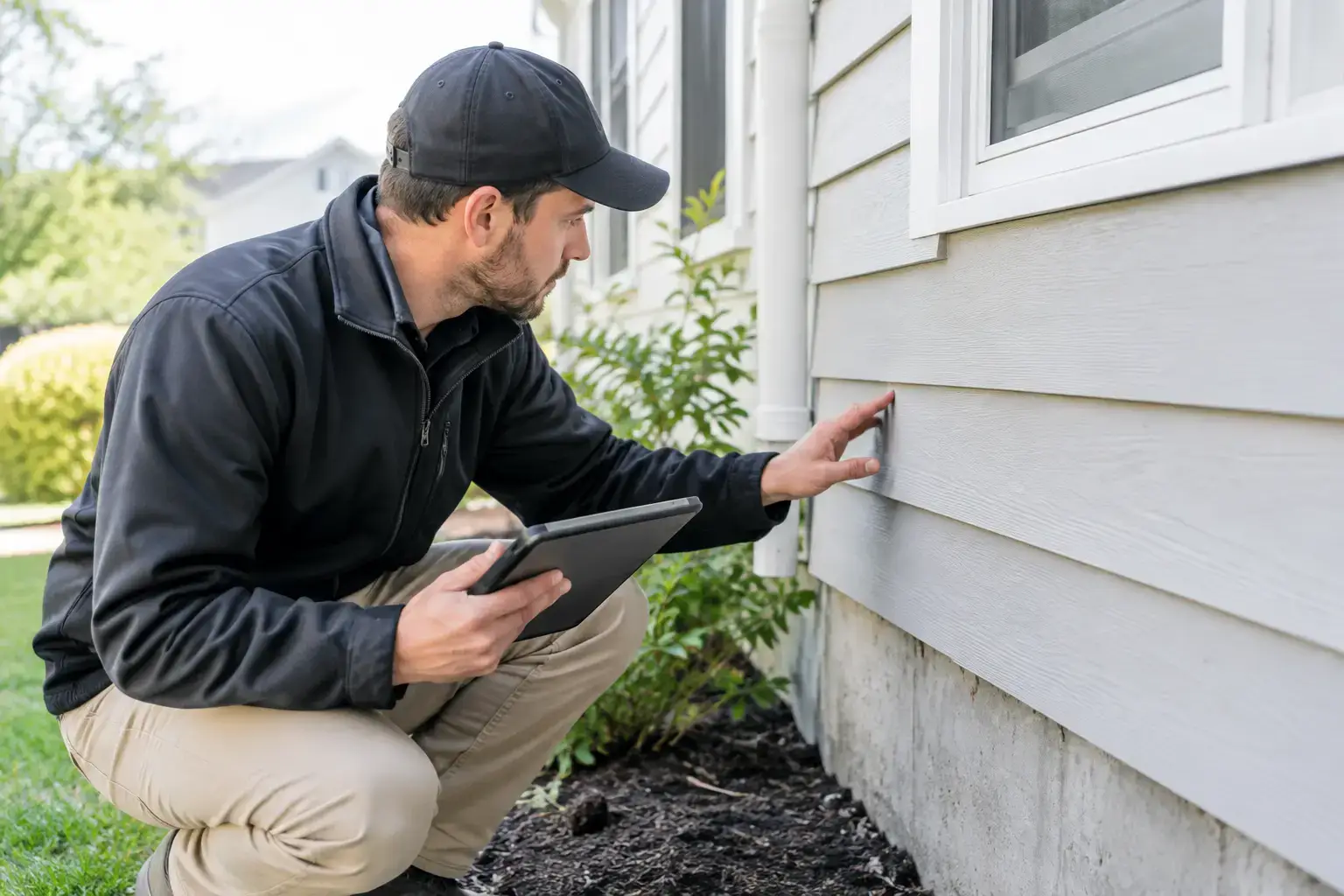
During a pre-purchase inspection, an inspector can identify visible indications of aluminum branch wiring, observe accessible panels and electrical components, test a representative number of receptacles and switches, and report conditions that warrant further evaluation. The inspection report can help you understand whether the concern appears isolated, widespread, or connected to visible defects.
However, wiring is largely concealed. A standard home inspection does not involve opening every wall, disassembling every outlet, or testing every connection under load. That limitation is especially relevant with aluminum wiring because some of the most significant conditions occur at concealed terminations.
When aluminum branch wiring is present or suspected, a qualified licensed electrician should evaluate the system before the end of the option period whenever possible. This gives the buyer better information for repair negotiations, budgeting, insurance questions, or a decision about whether to proceed with the purchase.
Warning Signs Buyers Should Take Seriously
A home does not need to have every warning sign to merit electrical attention. One visible concern can be enough to justify a more detailed evaluation, especially in a home with older wiring.
Watch for these conditions during showings and inspections:
- Flickering lights, intermittent power, or receptacles that do not work consistently
- Warm, discolored, cracked, buzzing, or loose switches and receptacles
- A burning odor near electrical devices or a history of tripped breakers
- Receptacles or switches marked only for copper wiring where aluminum conductors may be present
- Overcrowded electrical boxes, exposed splices, or signs of amateur electrical modifications
- Renovations with no clear documentation of what was updated behind finished walls
These clues do not diagnose the source of the problem by themselves. Flickering lights, for example, can have several causes. But they should never be dismissed as a normal quirk of an older house.
Safe Correction Is More Than Replacing Outlets
One of the biggest risks for buyers is treating aluminum wiring as a simple outlet replacement project. Standard devices designed only for copper conductors are not an appropriate match for aluminum branch-circuit wiring. Even devices labeled for copper and aluminum use may not be the preferred answer for every situation, particularly in older systems with a long service history.
A licensed electrician may recommend one of several approaches depending on the home’s wiring layout, accessibility, condition, and future electrical needs. Full replacement with copper wiring is the most comprehensive option, but it can involve opening walls and ceilings and may be more disruptive. In some cases, approved connector-based remediation methods can address aluminum-to-copper connections at accessible termination points. Specialized crimp connectors and properly installed approved connectors are among the methods an electrician may consider.
The right choice depends on the property. A buyer planning a major renovation may reasonably choose a broader rewiring project. A buyer purchasing a well-maintained home with a professionally documented remediation may have a different path forward. What matters is that the work is designed and performed by a qualified electrician, not improvised with hardware-store parts or cosmetic updates.
Questions to Ask Before You Commit
If aluminum wiring is identified, ask the seller whether there are invoices, permits, photographs, or electrician reports documenting prior electrical work. Ask whether the wiring was fully replaced, partially replaced, or remediated at connection points. Those are very different claims.
It is also reasonable to ask whether the home has had recurring electrical issues, insurance limitations, or past repair recommendations. Sellers may not have every answer, particularly when they purchased the property years after the original construction. Still, incomplete records are useful information. They may support a request for further evaluation rather than an assumption that everything is fine.
For buyers, the most practical next step is usually an electrician’s evaluation based on the inspection findings. Request clear written recommendations that identify the scope of work, the specific remediation method proposed, and any conditions that should be addressed promptly. Vague assurances are not a substitute for documentation.
How Aluminum Wiring Affects the Purchase Decision
Aluminum wiring can influence the transaction, but it does not have one automatic outcome. Some buyers negotiate for repairs, a credit, or a price adjustment after receiving an electrician’s assessment. Others proceed because the system has been properly remediated and documented. In other situations, the estimated scope and uncertainty may not fit the buyer’s budget or risk tolerance.
Insurance is another reason to investigate early. Requirements vary by carrier and policy, and some insurers may ask about aluminum branch wiring or require evidence of acceptable remediation. Checking this before closing can prevent a last-minute coverage problem.
For first-time buyers, the key is to separate the home’s condition from the pressure of the transaction. A house with aluminum wiring may still be the right home, but only when you understand the condition, the available correction options, and the likely cost before you are committed.
A thorough inspection helps bring the issue into view, but informed decisions come from following up on what the inspection reveals. Before your option period ends, get clear answers, keep the documentation, and make your next move with confidence rather than guesswork.