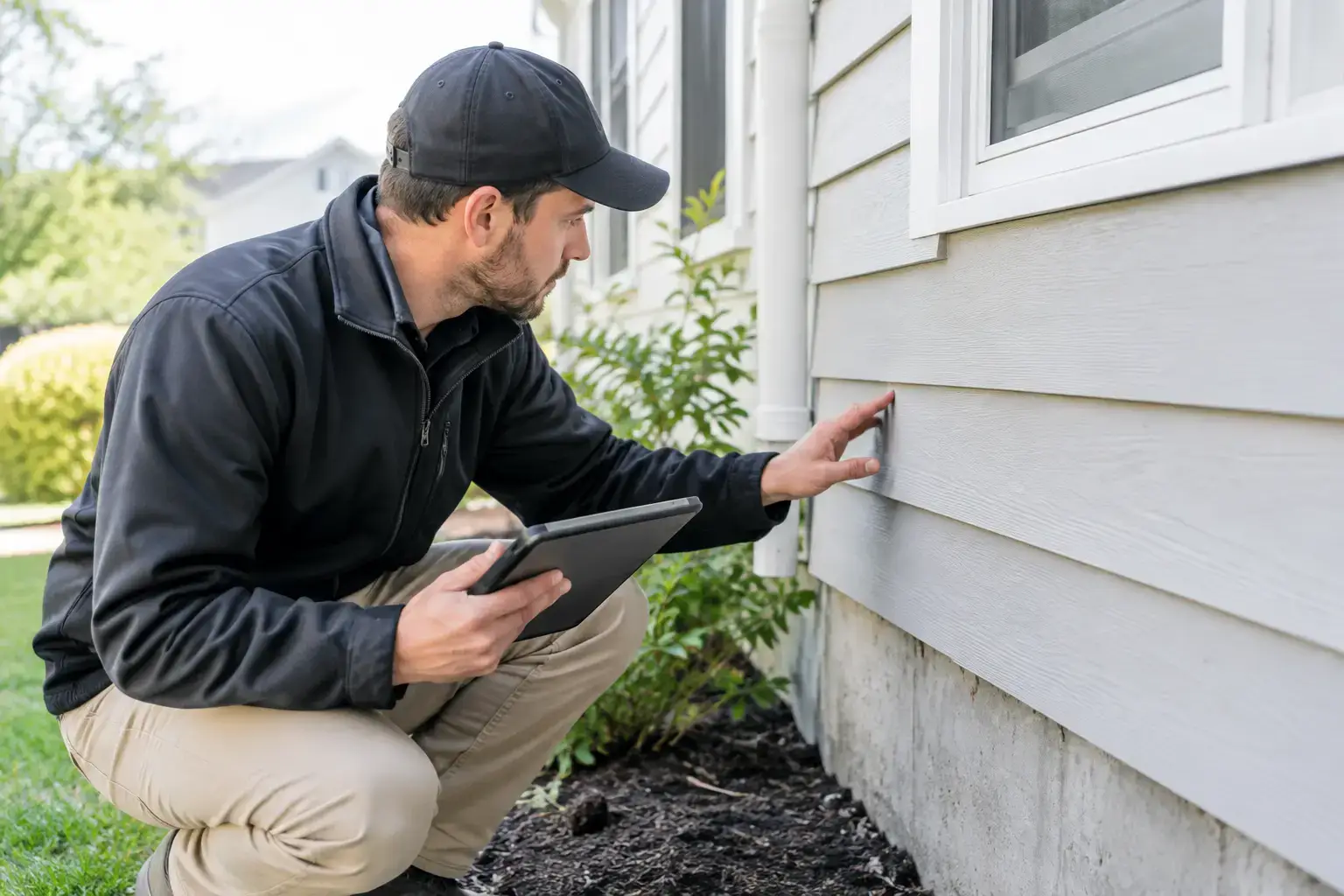

A roof can look perfectly acceptable from the driveway and still represent one of the biggest financial questions in a home purchase. Texas roofing is exposed to intense sun, sudden downpours, high winds, hail, and long stretches of heat that can shorten material life and expose weak installation details. Before closing, buyers need more than a quick glance at the shingles. They need a practical understanding of the roof’s condition, its likely remaining service life, and the concerns that could affect negotiations, insurance, or future repair planning.
Why Texas Roofing Deserves Close Attention
The roof is the home’s first line of defense against water intrusion, but it is also a system. Shingles or other roof coverings work alongside flashing, vents, underlayment, drainage components, penetrations, and attic ventilation. A problem in any one of these areas can affect how well the entire system performs.
Greater Houston homes face a particularly demanding mix of conditions. Summer heat can dry and age asphalt shingles. Wind can lift or loosen materials around edges and ridges. Heavy rain tests drainage and flashing details around chimneys, skylights, vents, and wall intersections. Hail may cause damage that is not obvious from ground level but can reduce the roof covering’s ability to shed water over time.
That does not mean every older roof is a failed roof, or that every mark on a shingle requires replacement. The right next step depends on the type, extent, and location of the condition. Buyers are best served by clear documentation and an honest explanation of what is visible, what needs monitoring, and when a qualified roofing contractor should provide further evaluation.
Age Matters, But It Is Not the Whole Story
A seller may know when a roof was installed, but installation age alone does not establish its condition. Materials age differently depending on their quality, exposure, installation, maintenance, and storm history. A roof installed ten years ago may have years of useful service left. Another roof of the same age may show widespread wear after repeated weather events or poor ventilation.
Homebuyers should ask for available records, including the approximate installation date, permits when applicable, previous repair invoices, transferable warranties, and any insurance claims related to storm damage. These documents can add useful context, but they should not replace a current inspection.
A roof that is near the end of its expected service life is not automatically a reason to walk away from a house. It is a budgeting and negotiation issue. If the home otherwise fits your needs, knowing that a major roof expense may be approaching gives you the opportunity to account for it before closing rather than being caught off guard after moving in.
Conditions That Should Prompt a Closer Look
A home inspection evaluates visible and accessible roof conditions, but not every area is safely walkable or fully visible from one vantage point. A careful inspection may identify conditions that warrant further review by a roofing professional. Buyers should take those recommendations seriously, especially when the finding involves active leakage, widespread wear, or potentially compromised materials.
Common concerns include damaged, missing, loose, curling, or deteriorated shingles; exposed fasteners; worn sealant at roof penetrations; damaged flashing; and irregularities around valleys, ridges, or roof-to-wall transitions. Granule loss on asphalt shingles can also be meaningful when it is extensive, although a few loose granules alone do not tell the entire story.
Drainage deserves attention as well. Gutters that are loose, damaged, clogged, improperly pitched, or missing in key areas can allow water to spill near the foundation or saturate exterior materials. In a heavy rain climate, water management is not a minor cosmetic detail. It helps protect the roof edge, siding, trim, soil around the home, and foundation perimeter.
Inside the attic, visible staining, deteriorated sheathing, daylight at roof penetrations, or poor ventilation can provide important clues. However, stains are not always evidence of an active leak. They may reflect an older repaired issue, condensation, or a past event. The condition of the material, the pattern of staining, and the broader roof findings all matter when determining how urgent the concern may be.
Hail and Wind Damage Are Not Always Obvious
Texas buyers often assume a roof either has obvious storm damage or no damage at all. In reality, the picture can be less clear. Hail impacts may be subtle, and wind-related issues can occur at shingle tabs, ridge caps, flashing, or roof edges where damage is harder to see from the ground.
A home inspector can report visible conditions observed during the inspection, but an inspection is not a substitute for an insurance claim assessment or a roofing contractor’s damage evaluation. If the property has a known storm history, recent roof repair work, or findings that raise concern, ask for additional documentation and consider obtaining a specialist evaluation during your due diligence period.
Buyers should also avoid assuming an insurance policy will treat every roof the same way. Coverage terms, deductibles, roof age provisions, material type, and the insurer’s underwriting standards vary. It is wise to speak with your insurance agent before closing, particularly when purchasing a home with an older roof or signs of prior storm exposure.
Roof Design Can Change the Risk Profile
The roof covering gets most of the attention, but design details can influence maintenance needs and long-term performance. Complex rooflines have more valleys, transitions, and flashing locations than a simple gable roof. Those details are normal, but they create more areas where installation quality and maintenance matter.
Low-slope sections require particular attention because they drain differently than steep-slope shingle roofs. Flat-looking roofs are not necessarily flat, and water should not remain standing after normal drainage time has passed. Different roof coverings may also be used on different portions of the same home. Buyers should understand where materials change and whether each section appears appropriate for its slope and application.
Trees can be another factor. Mature shade may help reduce direct sun exposure, but overhanging branches can scrape roof materials, drop debris into valleys and gutters, and create access for wildlife. The goal is not to remove every nearby tree. It is to recognize when vegetation is creating a maintenance issue or contributing to roof wear.
Questions to Ask Before Your Option Period Ends
A roof concern becomes easier to manage when the questions are specific. Rather than asking whether the roof is good, ask what the observed condition means for your purchase decision.
Consider asking the seller whether there have been leaks, repairs, replacements, insurance claims, or recurring maintenance issues. Request invoices and warranty information when available. If an inspection report recommends further evaluation, ask the roofing professional to explain the scope of work, whether repairs are localized or widespread, and whether the roof covering has remaining service life that can be reasonably estimated.
For negotiations, focus on documented conditions rather than vague concerns about age. A repair request supported by photographs, a clear description, and a professional recommendation is more useful than a broad demand for a new roof. Sometimes a targeted repair, credit, or adjusted purchase price is the practical solution. In other cases, the extent of the concern may justify reassessing the transaction.
A Home Inspection Helps Put the Roof in Context
The roof should never be evaluated in isolation. Its condition can affect attic components, exterior cladding, ceilings, insulation, electrical fixtures, and the home’s overall water-management strategy. A thorough pre-purchase inspection helps buyers see how those pieces relate to one another and prioritize the issues that matter most.
CK Inspections helps Greater Houston buyers move forward with clear reporting, visual documentation, and practical explanations of observed conditions. The purpose is not to create alarm over every imperfection. It is to help you avoid costly surprises and make decisions with a realistic picture of the home you are considering.
Before you commit to a property, give the roof the attention its role deserves. A clear understanding now can protect your budget, strengthen your negotiating position, and let you move into your next home with greater confidence.