A house can look solid during a showing and still hide expensive problems where most buyers never think to look. That is exactly why a guide to home inspection add-ons matters. The standard home inspection covers a lot, but certain risks require specialized tools, added time, or a closer look at systems that can fail quietly and cost you dearly after closing.
For buyers in Houston, Cypress, Katy, and nearby Texas communities, add-on services are not extras for the sake of extras. They are targeted protections. The right add-ons can reveal concealed moisture, sewer line damage, wood-destroying insect activity, or pool safety and equipment concerns before those issues become your responsibility.
What home inspection add-ons are really for
A standard pre-purchase inspection is designed to evaluate the home’s major systems and visible components, including structure, roofing, electrical, plumbing, HVAC, interiors, and more. That gives buyers a strong picture of the property’s overall condition. But some defects do not show up clearly during a visual inspection alone.
That is where add-ons come in. They extend the inspection into higher-risk areas that often need specialized equipment or a specific scope. In practical terms, they help answer the questions buyers usually ask right after the main inspection is scheduled: Is there hidden water intrusion? Is the sewer line damaged? Are there signs of termites or other wood-destroying insects? Is that backyard pool actually in good working order?
The key is not to order every add-on automatically. It is to choose the ones that fit the property, the location, and your tolerance for risk.
A practical guide to home inspection add-ons
The best way to think about add-ons is by asking where hidden costs are most likely to come from. If one unseen issue could lead to a major repair bill, delay your move, or create a safety concern, that add-on deserves serious consideration.
Wood-destroying insect inspection
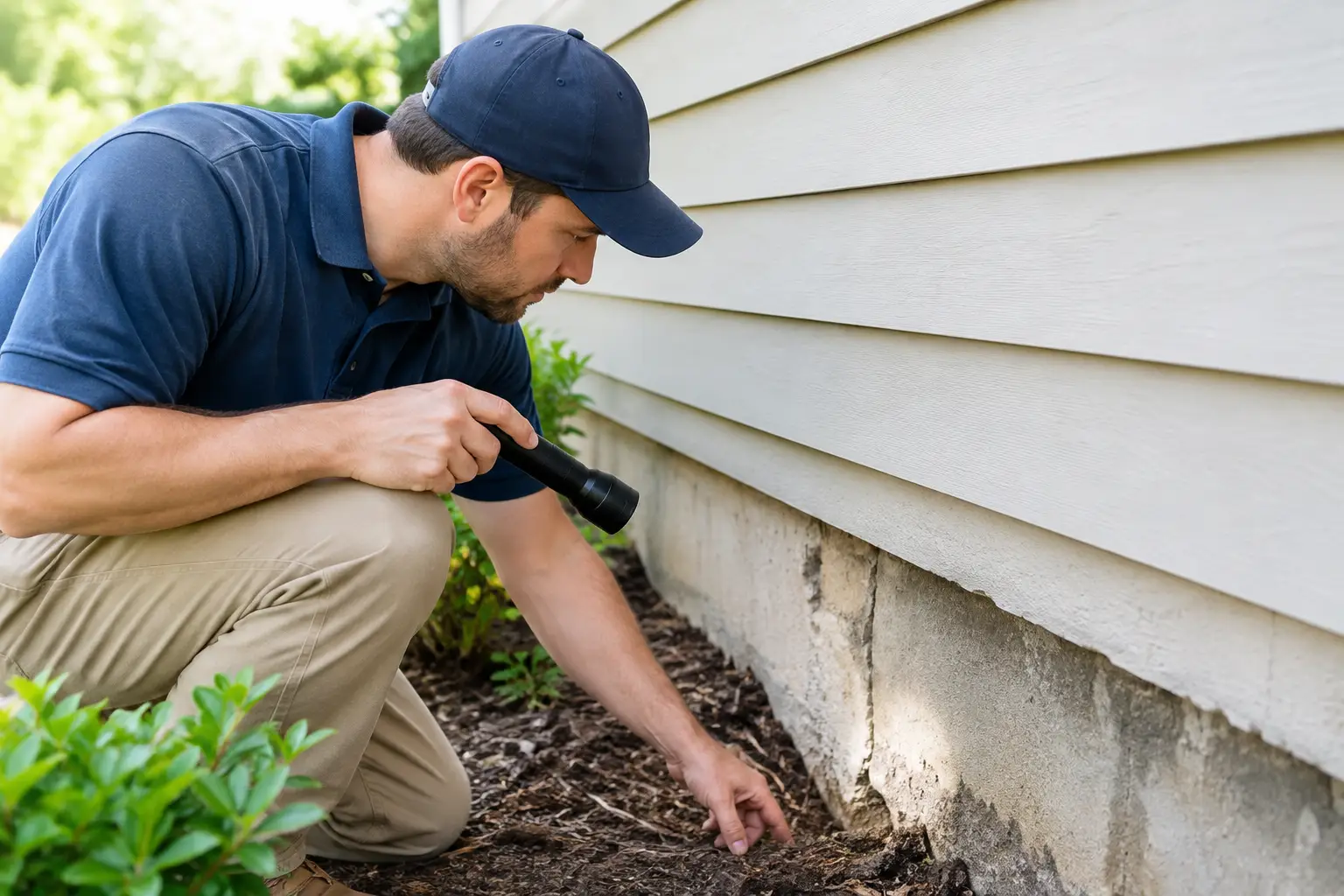
In Texas, this is one of the most common and most useful add-ons. A wood-destroying insect inspection looks for evidence of termites and other organisms that can damage structural wood. These pests can remain active behind walls, under floors, or in framing areas that seem fine on the surface.
This matters because insect damage is not always obvious during a general inspection. A home can have fresh paint, clean trim, and no visible distress in the rooms you walk through, while hidden damage is developing underneath. If the property has a history of moisture issues, older wood framing, or signs of previous treatment, this add-on becomes even more valuable.
For some transactions, especially when buyers want stronger peace of mind before closing, this inspection can help clarify whether the concern is active infestation, old damage, or no visible issue at all. That distinction matters when repair requests and negotiations begin.
Sewer line camera inspection
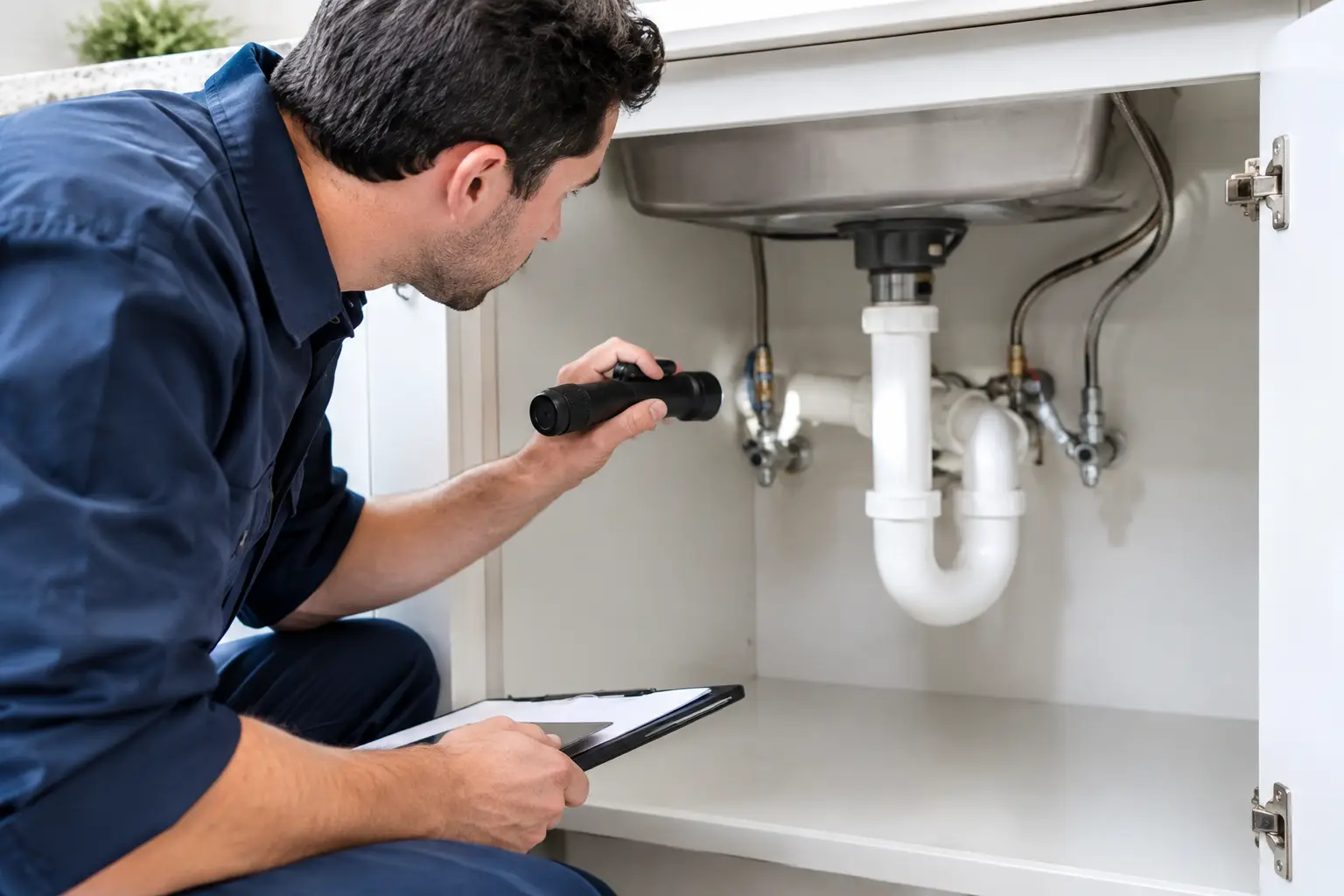
Few buyers think about the sewer line until there is a backup. By then, the problem is messy, urgent, and expensive. A sewer line camera inspection uses a specialized camera to inspect the home’s sewer lateral for cracks, root intrusion, blockages, bellies, or deterioration.
This add-on is especially smart for older homes, homes with mature trees, or homes where plumbing performance has been inconsistent. It is also worth considering when a house has had renovations, additions, or long vacancy periods. Even if sinks and toilets appear to drain normally during a standard inspection, the underground line may still have defects that are not obvious without a camera.
The trade-off is simple. You pay more upfront for a closer look, but you may avoid inheriting a repair that can cost thousands. For many buyers, that is a very easy calculation.
Thermal imaging
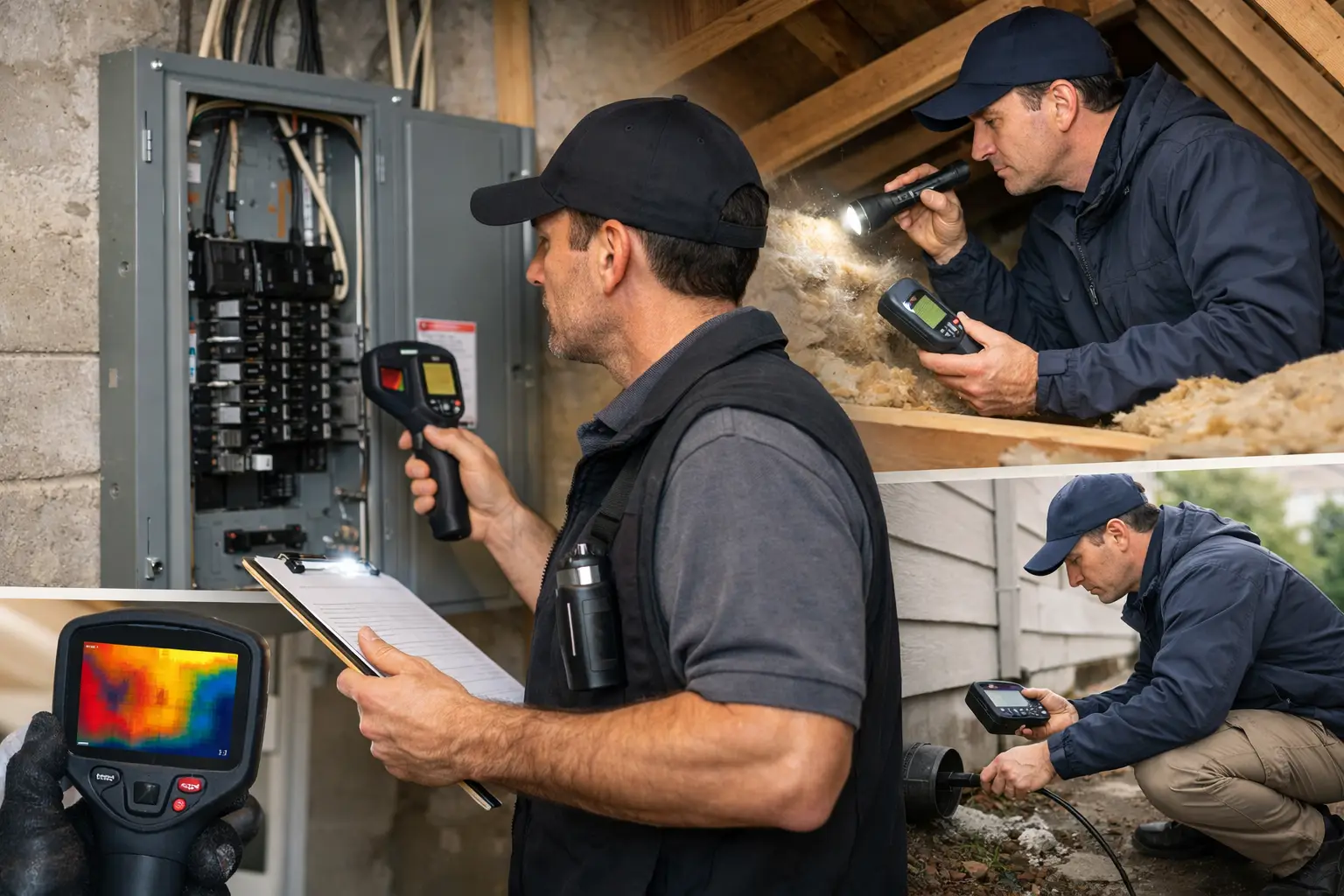
Thermal imaging helps detect temperature differences that can point to hidden issues such as moisture intrusion, missing insulation, overheated electrical components, or HVAC performance concerns. It does not see through walls in a magic sense, and it does not replace a full evaluation of every system. What it does do is reveal patterns that deserve further attention.
This is one of the most useful add-ons when buyers are worried about leaks, previous water damage, or hard-to-spot energy loss. In the Gulf Coast climate, moisture is not a minor issue. It can affect materials, indoor comfort, and long-term maintenance costs. Thermal imaging can help identify conditions that would otherwise stay out of sight during a basic visual review.
Like any tool, context matters. A thermal image does not diagnose every problem by itself. It helps the inspector identify anomalies and connect them to visible conditions, moisture concerns, or system performance. Used correctly, it adds another layer of protection, not confusion.
Pool and spa inspection
A pool can be a major asset, but it can also come with hidden defects in equipment, safety features, surfaces, drainage, and operation. A pool and spa inspection is designed to assess those components more thoroughly than a standard home inspection would.
This add-on is often overlooked by buyers who are focused on the house itself. That can be a mistake. Pool repairs are not cheap, and defects in pumps, heaters, filters, lights, coping, or decking can add up fast. Safety concerns are just as important, particularly if barriers, gates, or visible conditions create risk for children or guests.
If the property includes a pool or spa, this is usually not the place to cut corners. What looks like a clean, inviting backyard feature during a showing may require substantial repair or maintenance once the transaction closes.
How to decide which add-ons you actually need
The right choice depends on the house. Age matters. Location matters. Property features matter. So does your budget.
If you are buying an older home, a sewer line camera inspection often rises to the top because buried waste lines tend to deteriorate over time. If the home has visible grading or moisture concerns, thermal imaging can provide useful insight. If there is a pool, a dedicated pool and spa inspection is usually a smart move. If the house is in an area where termite activity is a known risk, a wood-destroying insect inspection deserves strong consideration.
You should also think about what kind of surprise would hurt you most after closing. Some buyers are comfortable budgeting for future cosmetic updates but want to avoid major plumbing or structural issues at all costs. Others are focused on safety or moisture because they plan to move in immediately with children. Add-ons should match the risk you most want to reduce.
When add-ons make the biggest difference in negotiations
The value of an add-on is not just in finding defects. It is in finding them while you still have options. Before closing, you may be able to request repairs, ask for concessions, negotiate the price, or walk away depending on your contract terms. After closing, the leverage is gone.
This is why detailed findings matter. A vague concern is harder to act on than documented evidence with clear photos, organized reporting, and a defined scope of issue. Buyers do not just need information. They need usable information that helps them make decisions and communicate clearly with their agent.
That is one reason many Texas buyers want an inspection partner who does more than show up for the appointment. They want a process that supports them after the inspection too, especially when they are sorting through findings and deciding what needs attention now.
Guide to home inspection add-ons for Texas buyers
Texas homes face a specific mix of heat, humidity, expansive soils, storms, pests, and aging infrastructure. That does not mean every home needs every add-on. It does mean buyers should be careful about assuming a standard inspection alone will answer every important question.
In this market, hidden moisture, insect activity, drainage-related concerns, and underground plumbing issues are not rare, unusual problems. They are practical realities. A well-chosen add-on can be the difference between a manageable negotiation and a repair bill that blindsides you after move-in.
For many buyers, the smartest approach is simple: start with a thorough pre-purchase inspection, then add specialized services where the property presents higher risk. That keeps the process focused, cost-conscious, and protective at the same time.
CK Inspections approaches add-ons the way buyers should approach the entire transaction – as a way to avoid costly surprises and move forward with more confidence, not more stress.
The goal is not to make a house fail. It is to help you see it clearly before it becomes your responsibility. That kind of clarity is worth a lot when you are making one of the biggest purchases of your life.