
A home can look move-in ready at a showing and still carry expensive problems behind a fresh coat of paint, above the ceiling, or below the slab. Finding the best Houston home inspectors is not about choosing the first available appointment. It is about choosing a professional who can help you understand the property you are about to buy, identify material concerns, and give you clear information before your option period ends.
For buyers across Greater Houston, that clarity matters. Our homes contend with intense heat, heavy rain, expansive soils, high humidity, and construction styles that vary widely by neighborhood and decade. A useful inspection does more than produce a long list of notes. It helps you see what deserves attention now, what may need monitoring, and what could affect your decision or negotiations.
What Sets the Best Houston Home Inspectors Apart
A quality inspection begins with experience, but not all experience is the same. Look for an inspector who understands how homes are built and how their systems affect one another. Hands-on construction, building, or renovation knowledge can provide meaningful context when an inspector evaluates framing, roof penetrations, drainage, electrical components, plumbing fixtures, heating and cooling equipment, and other major systems.
That practical perspective is especially valuable when a home has been updated. Renovations can improve a property, but they can also hide incomplete work, mismatched materials, altered drainage patterns, or safety concerns that deserve a closer look. An experienced inspector should be able to distinguish between normal age-related wear and conditions that may require prompt evaluation or repair.
Credentials matter as well. Texas home inspectors must meet state licensing requirements, but buyers should also ask about continuing education, professional standards of practice, insurance coverage, and the scope of the inspection. Licensing is the starting point, not the whole decision.
The best inspector for your purchase will also be willing to communicate. You should not feel rushed when asking questions, and you should not receive a report filled with technical terms that leave you more uncertain than before. Clear explanations are part of the service. You deserve to know what was observed, why it matters, and what a reasonable next step may be.
Look Beyond the Inspection Fee
A lower quote can be tempting during an already expensive home purchase. But an inspection is one of the few opportunities you have to learn about the home before closing, and the cost of missing a significant issue can far exceed the difference between inspection fees.
This does not mean the most expensive inspection is automatically the best choice. It means you should compare what is included. Ask whether the inspection covers the major accessible systems and components, how long the appointment is expected to take, when the report will be delivered, and whether you can contact the inspector after reading it.
A quick inspection with a vague report may create more work for you and your agent later. A thorough inspection with organized findings, photographs, and plain-language explanations gives you usable information while decisions still need to be made.
A Report Should Help You Make Decisions
The report is what remains after the inspector leaves, so review a sample report before booking if one is available. Look for clear photos, specific descriptions, and a layout that helps you locate important findings. A report should not simply state that something is “defective” without explaining the observed condition.
Good reporting also keeps perspective. No home, including a new construction home, is perfect. A helpful report separates routine maintenance and minor deficiencies from issues that may affect safety, function, water management, or significant future expense. That organization helps buyers avoid two common mistakes: overlooking a serious concern or becoming overwhelmed by ordinary maintenance items.
For real estate agents, a well-organized report can also support a smoother transaction. When concerns are documented clearly, buyers can have more productive conversations with their agent about which items may warrant additional review or a repair request.
Ask What the Inspection Includes
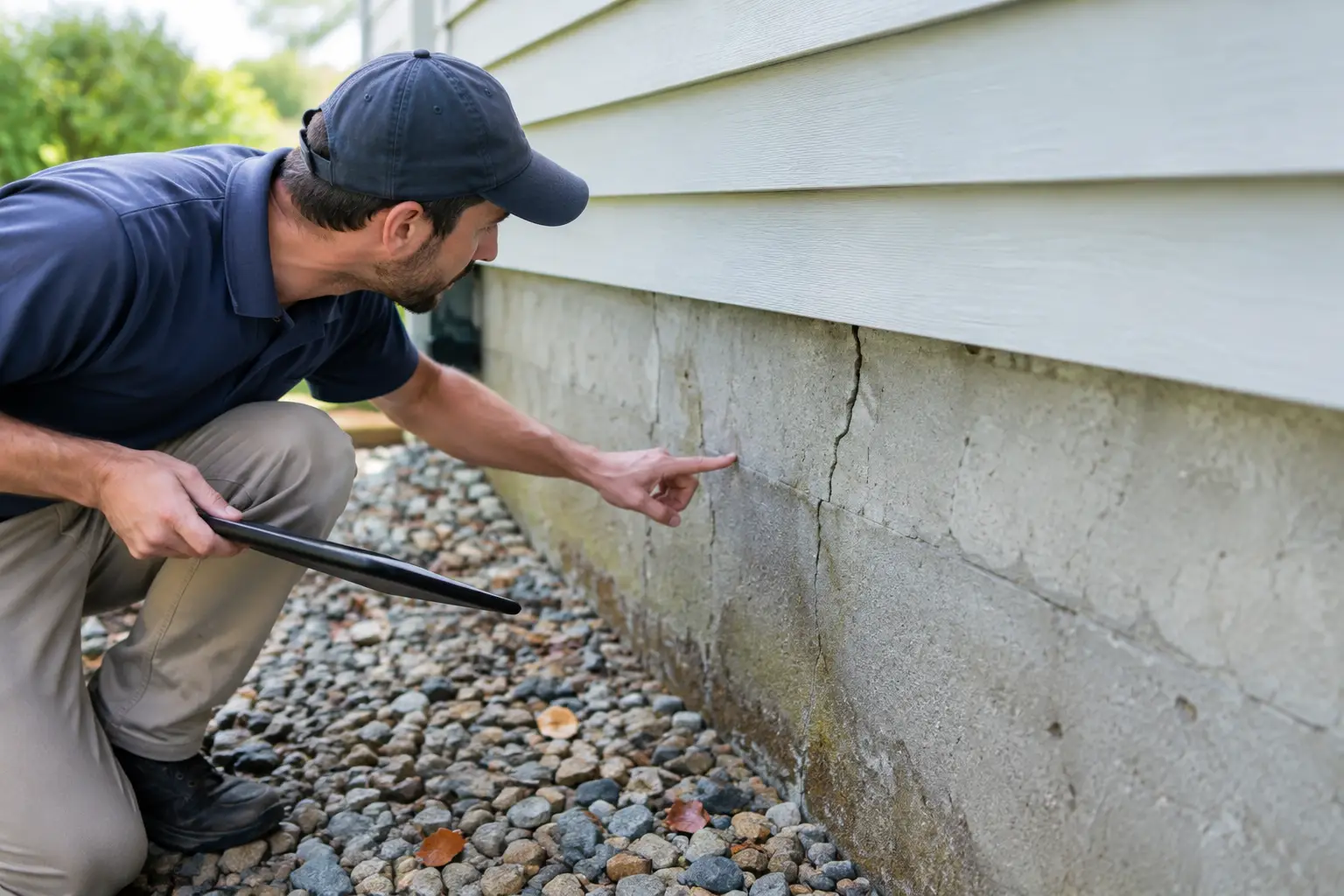
A standard residential inspection typically evaluates readily accessible and visible components. That often includes structural elements, roofing, exterior features, electrical systems, plumbing, HVAC equipment, interior rooms, insulation, ventilation, and built-in appliances. The exact scope depends on the property and the inspection agreement.
However, some properties benefit from additional services. These are not automatic add-ons for every buyer. They should match the home’s age, features, history, and visible conditions.
For example, a sewer line camera inspection may be worth considering for an older home, a property with mature trees, or a home where the condition of the underground drain line is uncertain. A wood-destroying insect inspection can provide valuable information where termite activity or damage is a concern. A pool and spa inspection is a practical choice when those features are part of the purchase and you need a closer evaluation of their visible equipment and operation.
The right inspector will explain these options without pushing services you do not need. If a recommendation is made, ask why it is relevant to that specific property. The answer should be straightforward.
Questions to Ask Before You Schedule
Before choosing an inspector, a brief conversation can reveal a lot about how the company works. Ask how much time they typically spend at a home of similar size and age, whether buyers are welcome to attend, and how quickly you will receive the report. Also ask whether they provide post-inspection support if questions come up after you have had time to read the findings.
You can also ask how they handle inaccessible areas. Inspectors cannot evaluate what they cannot safely access, such as a blocked attic entry, locked utility room, or concealed portion of a system. A professional report should document those limitations clearly so you know where additional information may be needed.
Finally, ask how findings are prioritized. The best answer is not a promise that every issue will be labeled urgent. It is a commitment to explain conditions honestly and put them in context. Some findings may call for immediate attention. Others may be manageable maintenance tasks or items to budget for over time.
Why Local Building Knowledge Matters
Houston-area homes are not all built alike. A 1960s ranch home, a townhome in the city, a newer Cypress subdivision home, and a rural property outside Katy can each present different inspection considerations. Foundation movement, drainage, roof age, HVAC sizing, older electrical systems, and prior remodeling work may require different levels of attention depending on the home.
Local knowledge does not mean assuming every property has the same problem. It means knowing where conditions commonly develop and evaluating the home based on its construction, age, visible evidence, and accessible systems. That is the difference between a checklist inspection and a thoughtful property evaluation.
CK Inspections brings more than 20 years of hands-on construction, home building, and renovation experience to residential inspections throughout Greater Houston. The goal is simple: help buyers avoid costly surprises and move forward with a clearer understanding of the home.
Make the Inspection Work for You
If possible, attend at least part of the inspection. Walking through the home with the inspector can make the final report easier to understand because you have seen the components and conditions in person. It is also a good time to ask practical questions about shutoff locations, maintenance needs, or visible items that may need further review.
Afterward, read the full report before focusing on negotiations. Your agent can help you decide which findings may be appropriate to address with the seller, but the inspection report is not a repair list or a guarantee of future performance. It is a snapshot of the home’s visible, accessible condition on the day of inspection.
The right inspection gives you more than a document for the transaction. It gives you a clearer starting point for ownership. Before you commit to a home, choose an inspector who will help you see the property as it is, ask better questions, and make your next decision with confidence.