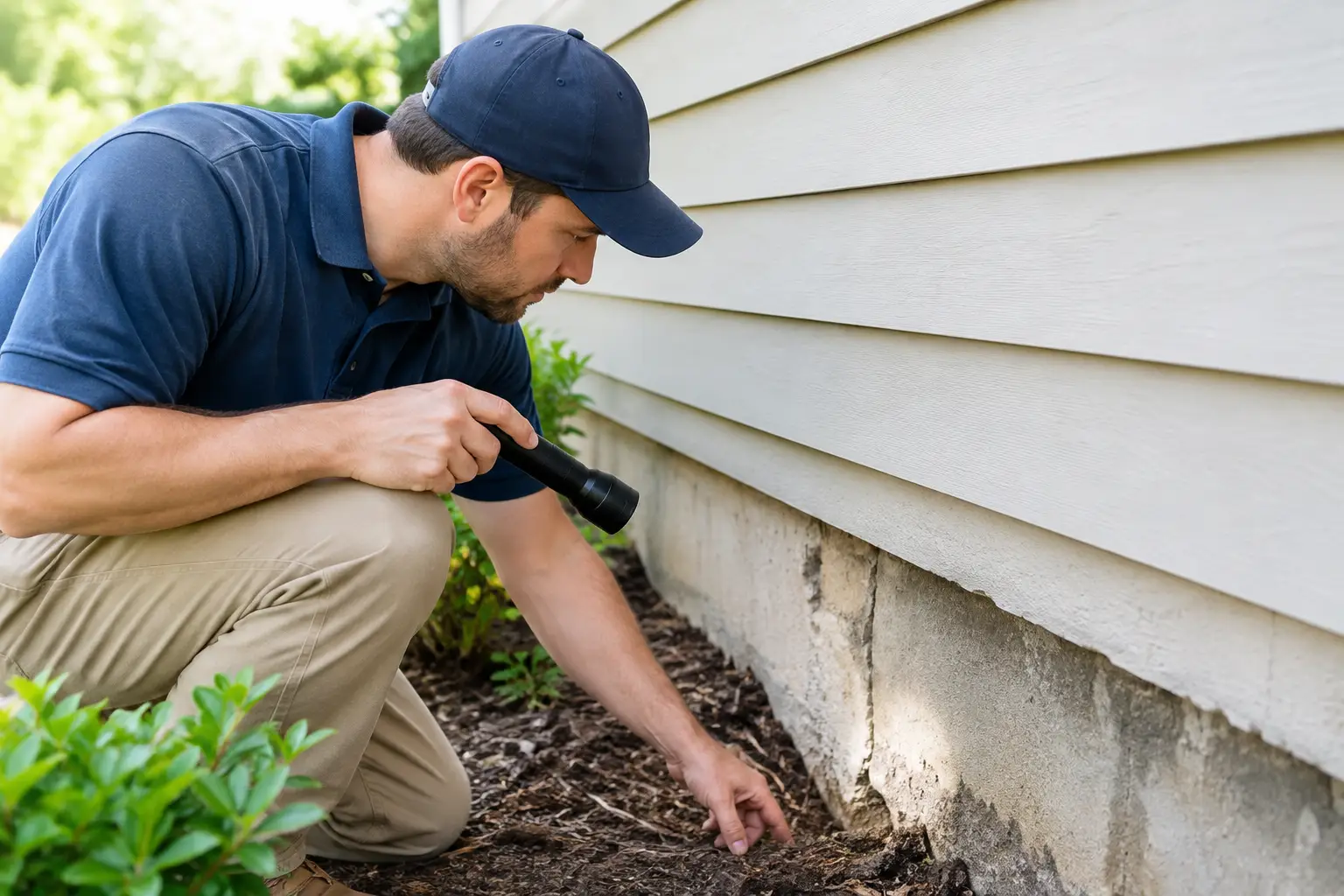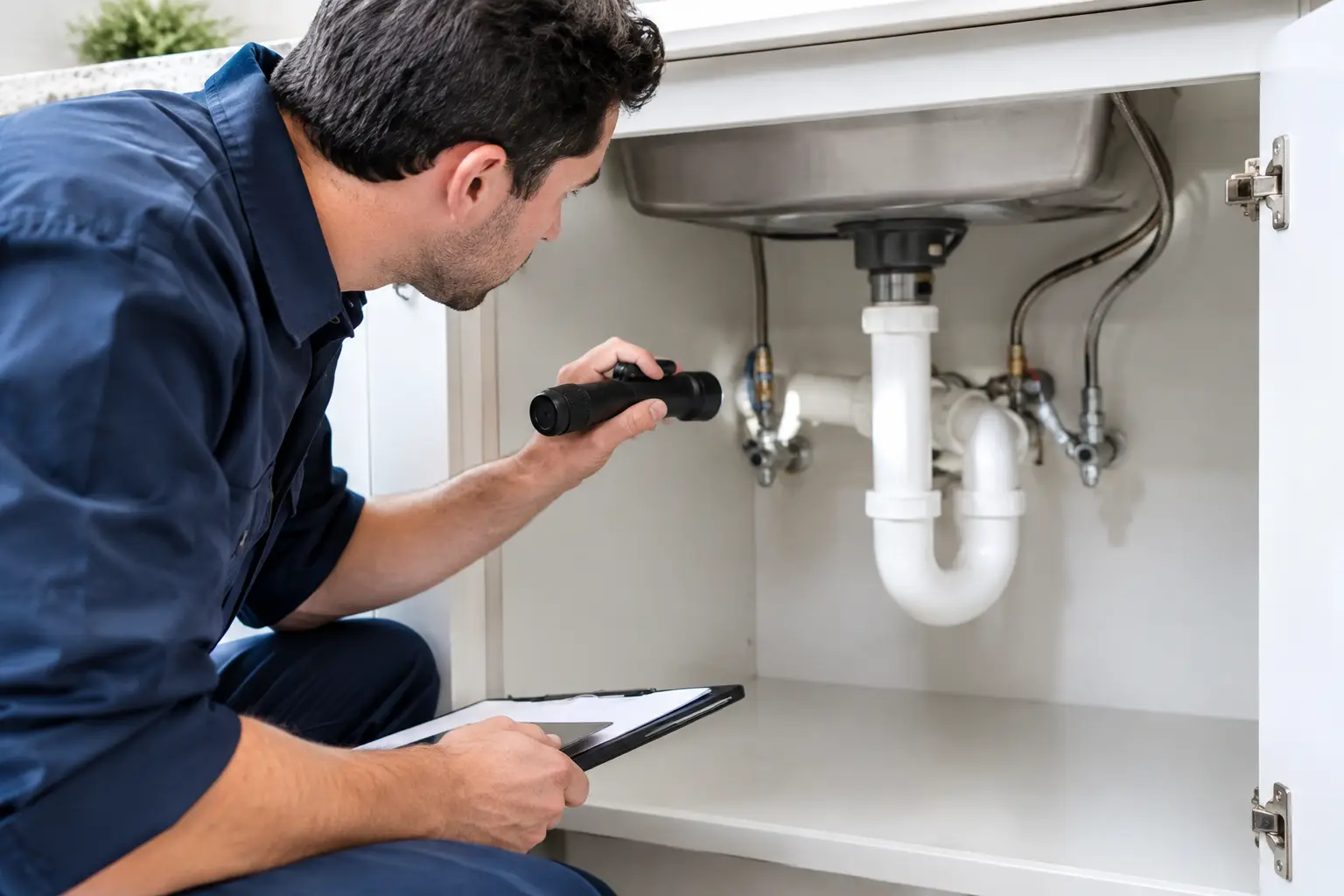
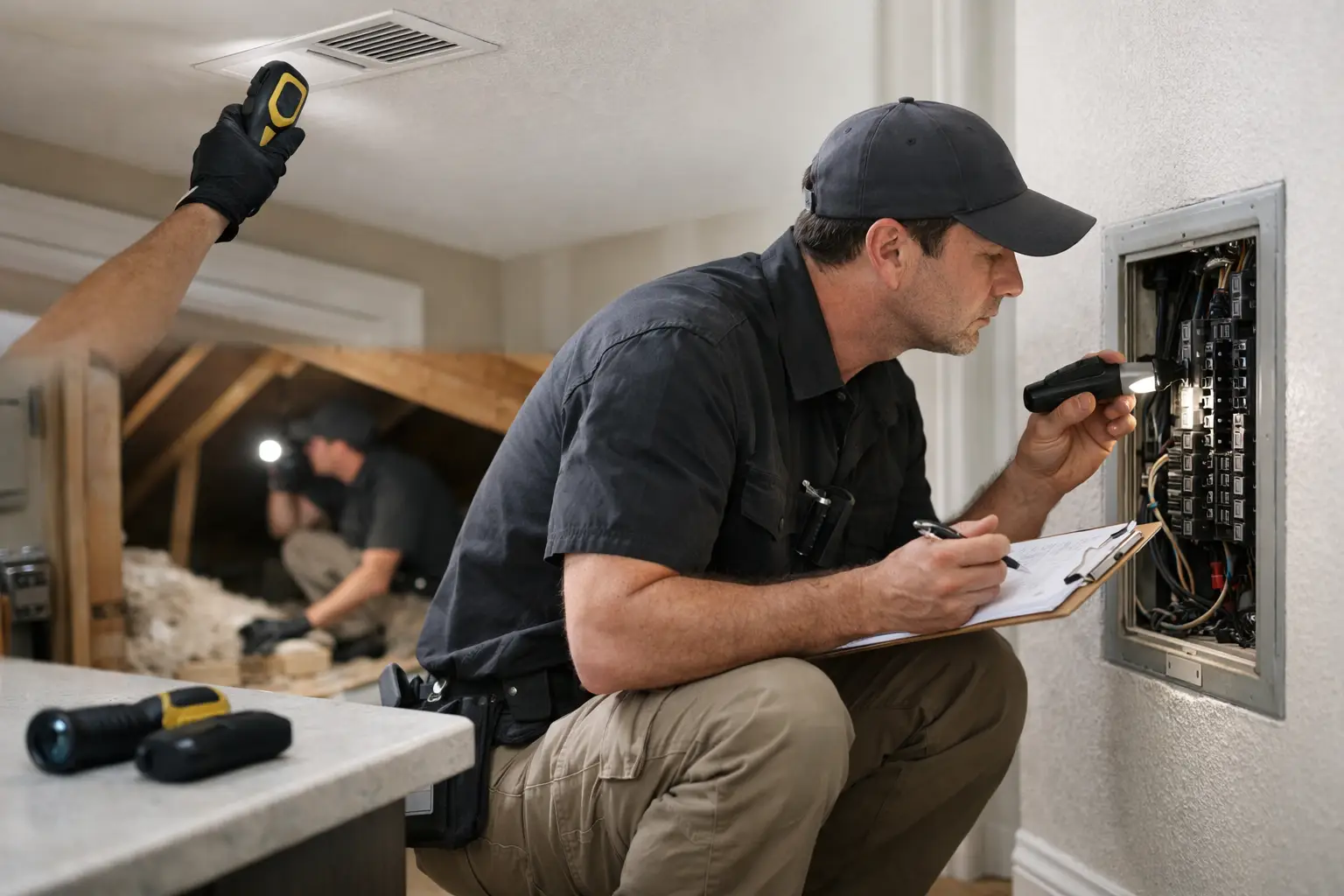
A home can look move-in ready during a showing and still have a failing drain line, an aging HVAC system, roof damage, or electrical concerns hidden behind finished walls. Asking the best questions before hiring an inspector helps you choose a professional who can identify meaningful risks before they become your repair bill. Don’t buy blind – use the inspection process to understand what you are really purchasing.
Why Your Inspector Choice Matters
A home inspection is more than a checkbox before closing. It is one of your best opportunities to get an independent, documented view of the property’s major systems and visible conditions. The quality of that information can affect your negotiations, repair requests, budget, and confidence in moving forward.
Not every inspector provides the same depth of evaluation, reporting, or communication. Price matters, but the lowest quote can become expensive if important concerns are missed or a vague report leaves you unsure what to do next. The right inspector should be qualified, thorough, clear, and focused on protecting your interests.
Best Questions Before Hiring an Inspector
Are you licensed and insured in Texas?
Start with the basics. Texas home inspectors must meet state licensing requirements, and you should verify that the inspector is properly licensed to perform the type of inspection you need. Ask whether they carry professional liability insurance and general liability insurance as well.
A license alone does not tell you everything about an inspector’s experience, but it confirms they meet the state’s baseline requirements. Insurance adds another layer of professionalism and protection. A qualified inspector should answer this question directly and provide their license information without hesitation.
How much experience do you have with homes like this one?
Houston-area homes can present issues that deserve local knowledge. Expansive clay soils, foundation movement, high humidity, heavy rainfall, attic ventilation concerns, aging air-conditioning equipment, and drainage problems are all common considerations in this market.
Ask how often the inspector works with homes of a similar age, construction style, and location. A newer Cypress subdivision home may have different concerns than a historic Houston property or a large Katy home with a pool and spa. Experience does not mean an inspector can predict every issue, but it helps them recognize patterns and know where closer attention is warranted.
What does your standard home inspection include?
Never assume two inspection packages cover the same items. A standard pre-purchase inspection generally evaluates readily accessible and visible components, including structural elements, roofing, electrical, plumbing, HVAC, interior spaces, insulation, and built-in appliances. But scope can vary by company and by property.
Ask the inspector to explain what is included and what is excluded. For example, inspectors typically do not open walls, move stored belongings, dismantle equipment, or guarantee that a system will operate indefinitely. That is not a weakness in the service – it is the practical limit of a visual inspection. What matters is whether those limits are clearly communicated before the appointment.
Do you offer add-on services that fit this property?
Some of the most costly property concerns require specialized inspection services. Depending on the home, you may want to ask about wood-destroying insect inspections, sewer line camera inspections, thermal imaging, and pool and spa inspections.
A sewer camera inspection can be especially valuable for older homes, homes with large trees, or properties where the condition of the underground drain line is unknown. Thermal imaging may help identify unusual moisture patterns, insulation gaps, or electrical hot spots that are not obvious to the naked eye. A pool inspection can provide a clearer picture of equipment, safety features, and visible conditions beyond the home itself.
The right add-on depends on the property. A good inspector should explain why a service may be useful without pushing services that do not add value to your decision.
Can I see a sample inspection report?
This is one of the most revealing questions you can ask. Your report is the tool you will use after the inspection, so look closely at how information is organized. A strong report should be easy to navigate, include clear photos, describe the concern in plain language, and identify the location of the issue whenever possible.
Look for more than a long list of observations. Can you tell which findings are safety concerns, which may need repair soon, and which are routine maintenance items? Are photos clear enough to help you and your agent discuss the issue with the seller? A report should inform you, not overwhelm you with unexplained technical language.
How do you communicate major concerns during and after the inspection?
The inspection appointment is not the end of the service. Ask whether the inspector will provide a verbal walkthrough or a practical overview of the significant findings. This conversation can help you distinguish between a manageable maintenance item and an issue that may require further evaluation by a licensed specialist.
Also ask whether you can contact the inspector after receiving the report. Buyers often have questions once they review photos, discuss findings with their agent, or compare repair estimates. Post-inspection support is valuable because a report should not leave you alone to interpret a major financial decision.
At CK Inspections, the goal is to provide clear findings and organized documentation that help buyers make informed choices, not simply hand over a report and disappear.
Will you identify safety issues separately from maintenance items?
Every home, including a well-maintained one, will have some defects or recommended maintenance. The key is understanding the difference between a minor concern and a potential safety issue.
Ask how the inspector prioritizes findings. Exposed electrical hazards, active leaks, improper combustion venting, unsafe stair conditions, and signs of significant structural movement deserve different attention than a worn door sweep or a loose cabinet pull. An inspector should not minimize serious concerns, but they also should not make a sound home seem alarming because it has ordinary wear.
Clear prioritization gives you a more useful basis for repair negotiations and future planning.
May I attend the inspection?
Buyers do not always need to be present for the full inspection, but attending the final portion can be extremely helpful. You can see important concerns firsthand, ask questions about basic operation and maintenance, and learn where shutoff valves, electrical panels, filters, and other key components are located.
Ask the inspector when they prefer you to arrive. Many inspectors work more efficiently without interruptions during the initial evaluation, then welcome buyers for a summary near the end. If you cannot attend, ask whether they can review major findings by phone after the appointment.
How long will the inspection take, and when will I receive the report?
Time is not the sole measure of quality, but an inspection of a typical single-family home should not feel rushed. The length depends on the home’s size, age, condition, occupancy, and added services. Larger homes, older properties, pools, and sewer camera inspections naturally require more time.
Ask when you can expect the final report. Fast delivery is helpful when an option period is short, but speed should not come at the expense of accurate documentation. You want timely results that are complete, readable, and supported by photos.
What happens if you find an issue beyond the inspection scope?
A responsible inspector knows when a condition needs additional evaluation. Ask how they handle issues that may require a roofing contractor, plumber, electrician, foundation specialist, HVAC technician, or structural engineer.
The answer should be specific: the inspector documents visible evidence, explains the limitation, and recommends further evaluation when appropriate. They should not diagnose problems beyond their qualifications or promise a repair solution without enough evidence. That restraint protects you from false certainty while giving you a clear next step.
Questions That Protect Your Budget, Not Just Your Closing Date
Your real estate agent can help coordinate the inspection, but the inspector works for you as the buyer. Their job is to provide an objective assessment of visible conditions, even when the findings are inconvenient to a transaction.
Be cautious if an inspector promises that a home will “pass,” guarantees there will be no problems, or dismisses your questions because a property is new. New construction can have defects. Older homes can be well cared for. The inspection should be based on what is visible and functioning at the time of the appointment, not assumptions about age, price, or appearance.
A useful final question is simple: “What are the three issues you would want to understand before buying this home?” It invites the inspector to focus on what matters most. Their answer can help you decide whether to proceed, negotiate, budget for repairs, or bring in a specialist before your option period ends.
The right inspector will not make the decision for you. They will give you the clear, documented information needed to make that decision with fewer surprises and greater peace of mind.