A home can look move-in ready during a showing and still have expensive problems behind the walls, above the ceiling, or beneath the slab. Buyer inspection services give you an informed view of the property before closing, when you still have time to ask questions, negotiate repairs, request credits, or reconsider the purchase.
For Houston-area buyers, that protection matters. Our climate, expansive soils, heavy rain, high humidity, and long cooling seasons can place real stress on foundations, roofs, drainage systems, HVAC equipment, and plumbing components. A professional inspection does not predict every future repair, but it helps you avoid buying blind.
What Buyer Inspection Services Are Designed to Do
A pre-purchase home inspection is a visual, non-invasive evaluation of a home’s readily accessible systems and components. The goal is not to make a pass-or-fail judgment. Homes are not graded like new products, and even well-maintained homes will have imperfections.
Instead, the inspection helps identify material defects, safety concerns, signs of water intrusion, aging systems, and conditions that may require repair, further evaluation, or regular maintenance. You receive a detailed report that organizes findings so you can understand what needs immediate attention and what can be planned for over time.
That distinction is valuable when emotions are running high. You may love the kitchen layout, the school zone, or the backyard, but a clear report keeps the decision grounded in the actual condition of the property.
A Home Inspection Is Not a Warranty
A home inspection is a snapshot of visible conditions on the day of the appointment. Inspectors cannot see through finished walls, move personal belongings, dismantle equipment, or guarantee how long a system will last. A furnace or air conditioner may be operating properly during the inspection and still fail later due to age or an unforeseen internal issue.
That does not reduce the value of an inspection. It sets the right expectation. The most useful inspection is one that clearly documents what can be observed, explains the concern in practical terms, and identifies when a specialist should take the next step.
What a Thorough Buyer Inspection Covers
A complete inspection looks beyond cosmetic details. It focuses on the major parts of the home that can create significant repair costs or affect safety and livability.
The structure and foundation are evaluated for visible signs of movement, cracking, moisture concerns, improper grading, and drainage conditions. In Texas, not every crack means a foundation failure. Some are common cosmetic conditions. However, patterns of cracking, doors that do not operate properly, sloping floors, or exterior separation can justify closer attention from a qualified foundation professional.
The roof, attic, and exterior are also essential. An inspection may identify damaged or aging roof coverings, flashing concerns, poor drainage, deteriorated trim, exposed openings, or signs of previous leaks. Roof condition is especially important in the Greater Houston area, where storms and humidity can shorten the life of materials and reveal weak points quickly.
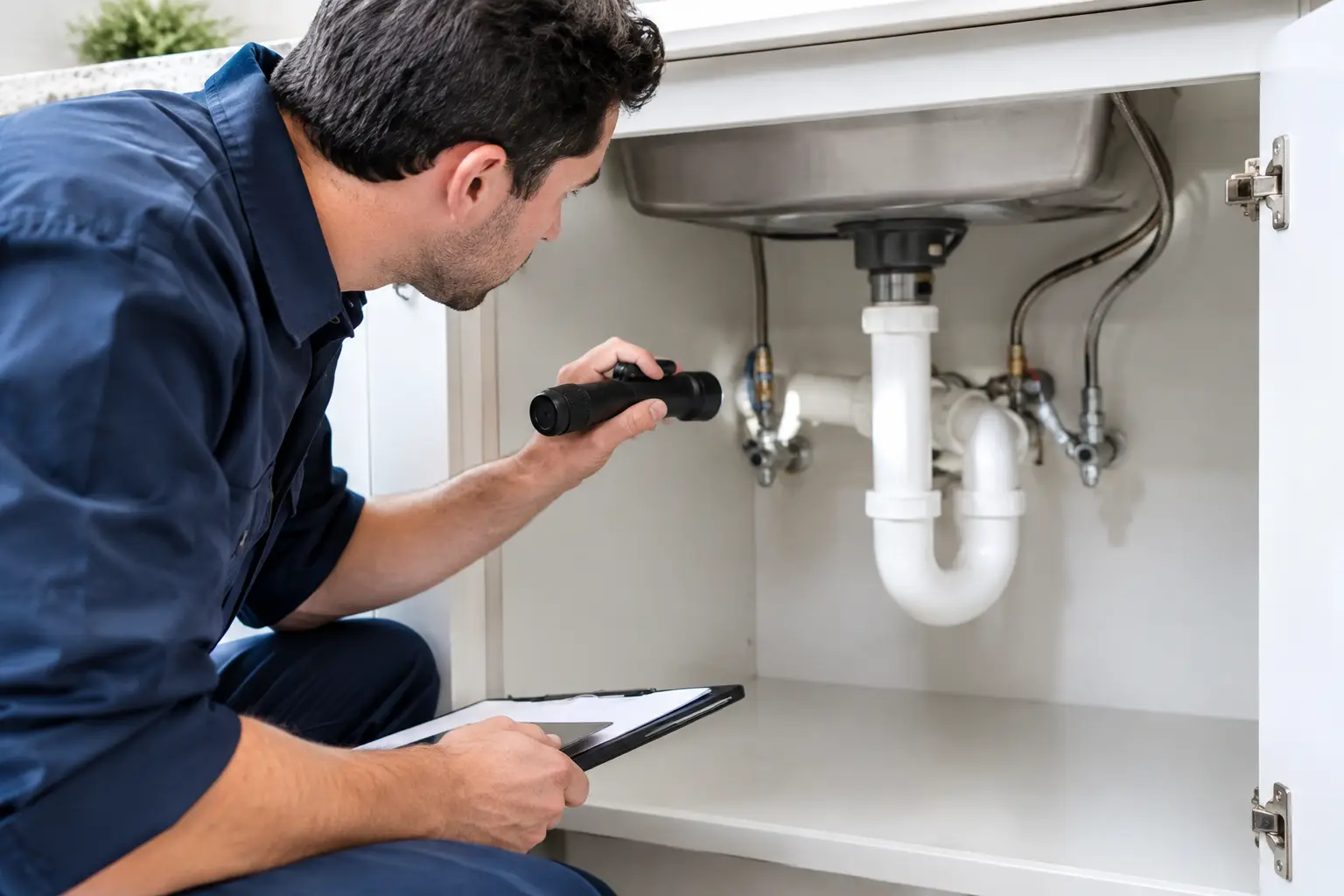
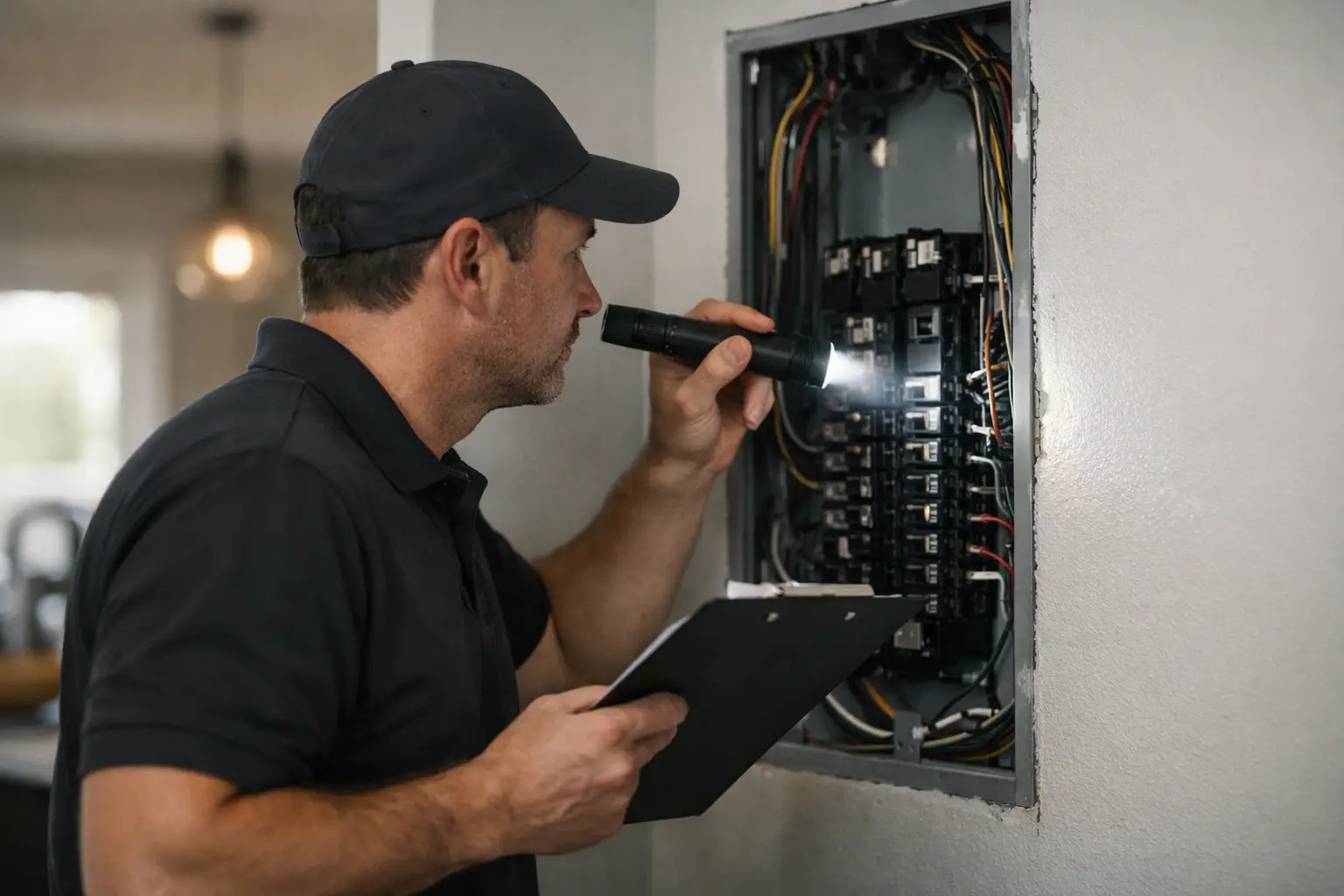
Inside the home, the electrical system is checked for visible safety issues such as missing protection, improper wiring conditions, damaged components, or outdated equipment that may need evaluation. Plumbing fixtures, visible supply lines, drain lines, water heaters, and functional flow are evaluated as accessible. HVAC equipment is operated when conditions allow, with attention to performance, visible defects, condensate drainage, and general installation concerns.
The inspection also covers interior conditions, including ceilings, walls, floors, windows, doors, stairs, ventilation, insulation, and built-in appliances. A small stain on a ceiling may be old and inactive, or it may point to an ongoing roof or plumbing leak. The value of a trained inspector is knowing when a visible symptom deserves more investigation.
Add-On Services Can Reveal What a Standard Inspection Cannot
Some homes have risks that are not fully visible during a standard inspection. Add-on services can provide a more complete picture when the property, its age, or the initial findings make additional evaluation worthwhile.
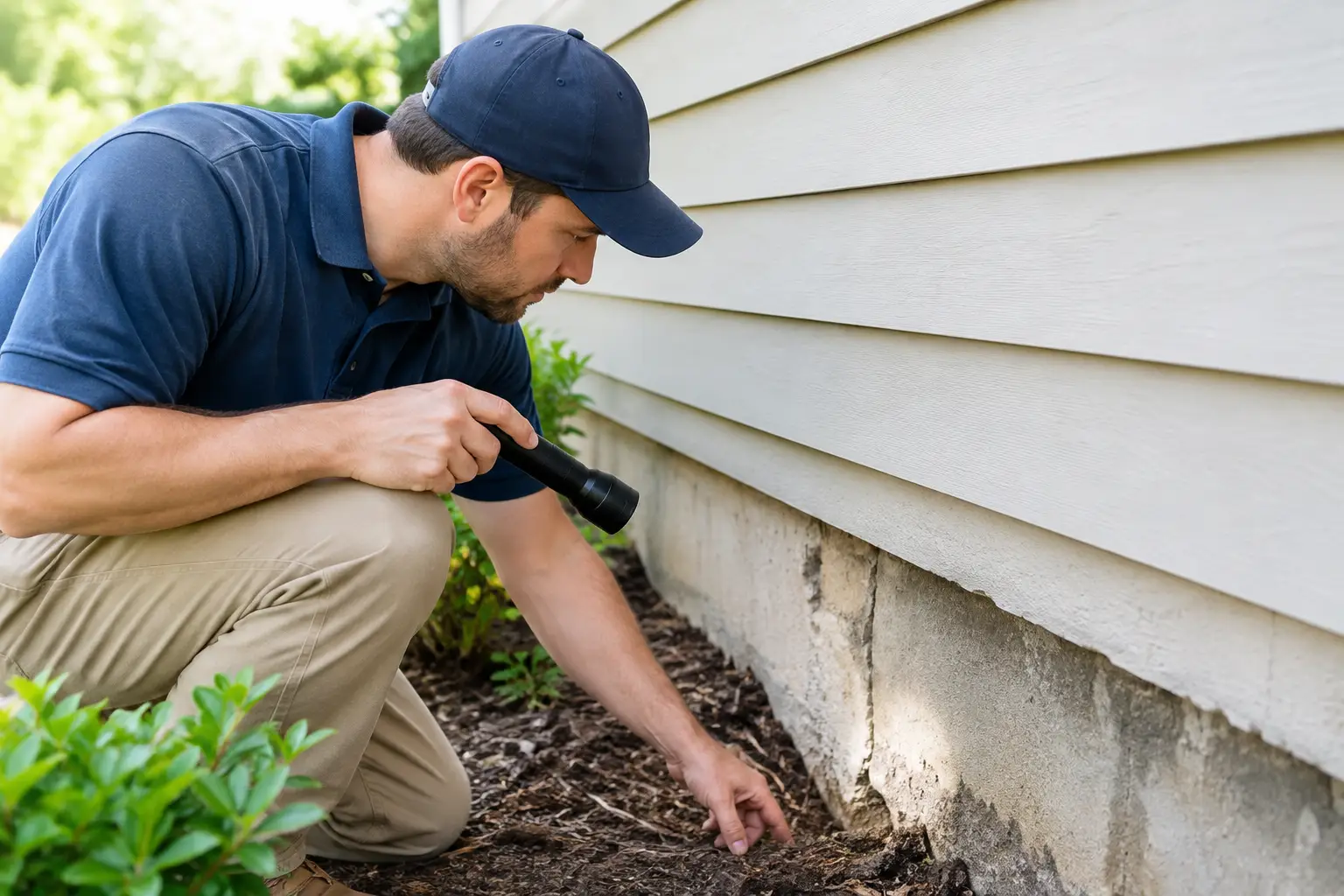
A wood-destroying insect inspection can identify visible evidence of termites and other wood-destroying organisms. This is particularly useful in a humid region where moisture conditions can attract pests and damage framing over time.
A sewer line camera inspection can reveal blockages, cracks, root intrusion, offsets, or deteriorated sections in the buried line leading from the home. The plumbing inside a house can appear to drain normally while a hidden sewer issue develops underground. For older homes, homes with large trees, or properties with cast iron piping, this service can be a smart precaution.
Thermal imaging may help identify temperature differences that suggest moisture intrusion, missing insulation, air leaks, or electrical concerns. It is not X-ray vision, and it does not diagnose every hidden problem. Used alongside a visual inspection and moisture testing where appropriate, it can help direct attention to areas that need closer evaluation.
Pool and spa inspections are equally important when those features are part of the purchase. Pumps, heaters, filters, visible plumbing, safety features, controls, and surfaces can create substantial ownership costs. A beautiful pool should not become an unexpected repair project after move-in.
How to Use the Report Without Feeling Overwhelmed
A detailed inspection report can feel intimidating, especially for first-time buyers. It may contain dozens of notes, photographs, and recommendations. That is normal. A thorough report documents the home’s condition, not just major deal-breakers.
Start by separating findings into three practical categories: safety concerns, significant repair or specialist-evaluation items, and routine maintenance. Safety items and major defects deserve prompt attention. Maintenance items may still matter, but they do not always belong in a repair request.
For example, an older but functioning water heater may be a budgeting issue rather than a negotiation issue. Active water intrusion, an unsafe electrical condition, a failing HVAC system, or evidence of significant structural movement carries a different level of urgency.
This is where visual documentation matters. Clear photos and plain-language explanations help you discuss concerns with your agent, seller, contractor, or specialist without relying on vague descriptions. Modern reporting and repair request tools can also help organize the issues you want addressed before closing.
When an Inspection Should Change Your Negotiation Strategy
An inspection contingency gives buyers information and options, but there is no universal response to every finding. The right strategy depends on the condition of the home, the local market, the contract terms, and your comfort with future repairs.
You may ask the seller to make repairs, request a credit, negotiate the price, or accept the condition as-is with a realistic plan and budget. In some cases, the best next step is simply more information from a licensed specialist. A home inspector may identify signs of a plumbing concern, for example, but a plumber should diagnose the exact cause and provide repair pricing.
Be careful about asking for every minor item to be corrected. Older homes naturally have wear, deferred maintenance, and components near the end of their expected service life. Focusing on the conditions that affect safety, function, and major cost exposure usually leads to a more productive conversation.
At the same time, do not dismiss a serious finding because the home is attractive or the market feels competitive. A rushed decision can turn a dream purchase into an expensive surprise. The purpose of inspection is not to create fear. It is to give you facts before your earnest money, financing, and closing timeline leave you with fewer choices.
Choosing a Buyer Inspection Company
Choose an inspector who communicates clearly, provides a detailed visual report, and remains available to answer questions after the appointment. The report should help you understand the condition of the home, not leave you sorting through unexplained technical language.
CK Inspections helps buyers across Greater Houston, Cypress, Katy, and surrounding communities evaluate homes with organized findings, photographs, and practical post-inspection support. The inspection appointment is only part of the service. What matters is whether you can use the information confidently when making a major financial decision.
Before your option period expires, take time to read the report, ask follow-up questions, and obtain specialist evaluations when recommended. A few careful hours before closing can protect years of homeownership after it.