
You open the inspection report expecting a quick yes-or-no answer, then find pages of photos, comments, ratings, and recommendations. That is where many buyers get stuck. If you are wondering how to understand inspector summary sections without feeling buried in technical language, the key is to read it as a decision-making tool, not as a pass-fail scorecard.
A home inspection summary is designed to help you see what matters most before closing. It highlights the defects, safety concerns, and maintenance items your inspector believes deserve special attention. It is not a list of every single thing in the house, and it is not a contractor bid. It is a practical snapshot of risk, condition, and next steps.
What the inspector summary is really telling you
Most buyers make the same mistake at first – they treat the summary like a verdict on whether the house is good or bad. In reality, almost every home has findings. Even newer homes can have installation defects, drainage issues, or incomplete repairs. Older homes usually have a longer list because age naturally affects materials and systems.
The summary exists to organize the report. It points you toward conditions that may affect safety, function, cost, or future negotiations. Think of it as the shortlist of issues your inspector does not want you to miss.
That means the summary should be read with context. A cracked outlet cover and a damaged roof flashing may both appear in the same section, but they do not carry the same weight. One is a quick repair. The other may lead to active leaks, hidden damage, or insurance concerns. The summary helps surface both, but your job is to separate routine fixes from meaningful risks.
How to understand inspector summary categories
Most inspection summaries group findings by system or by severity. You may see sections for roofing, plumbing, electrical, HVAC, structure, interiors, and exterior components. You may also see labels such as deficient, marginal, monitor, safety concern, or repair recommended.
The exact wording varies by report software and inspection company, so do not get too hung up on the label alone. Focus on the plain-language comment under it. That comment tells you what was observed, why it matters, and what action is recommended.
For example, if the summary says the air conditioning system was not cooling properly, the important part is not just the category. It is whether the inspector noted a minor performance issue, a system near the end of its life, or a condition that needs evaluation by a licensed HVAC contractor before closing.
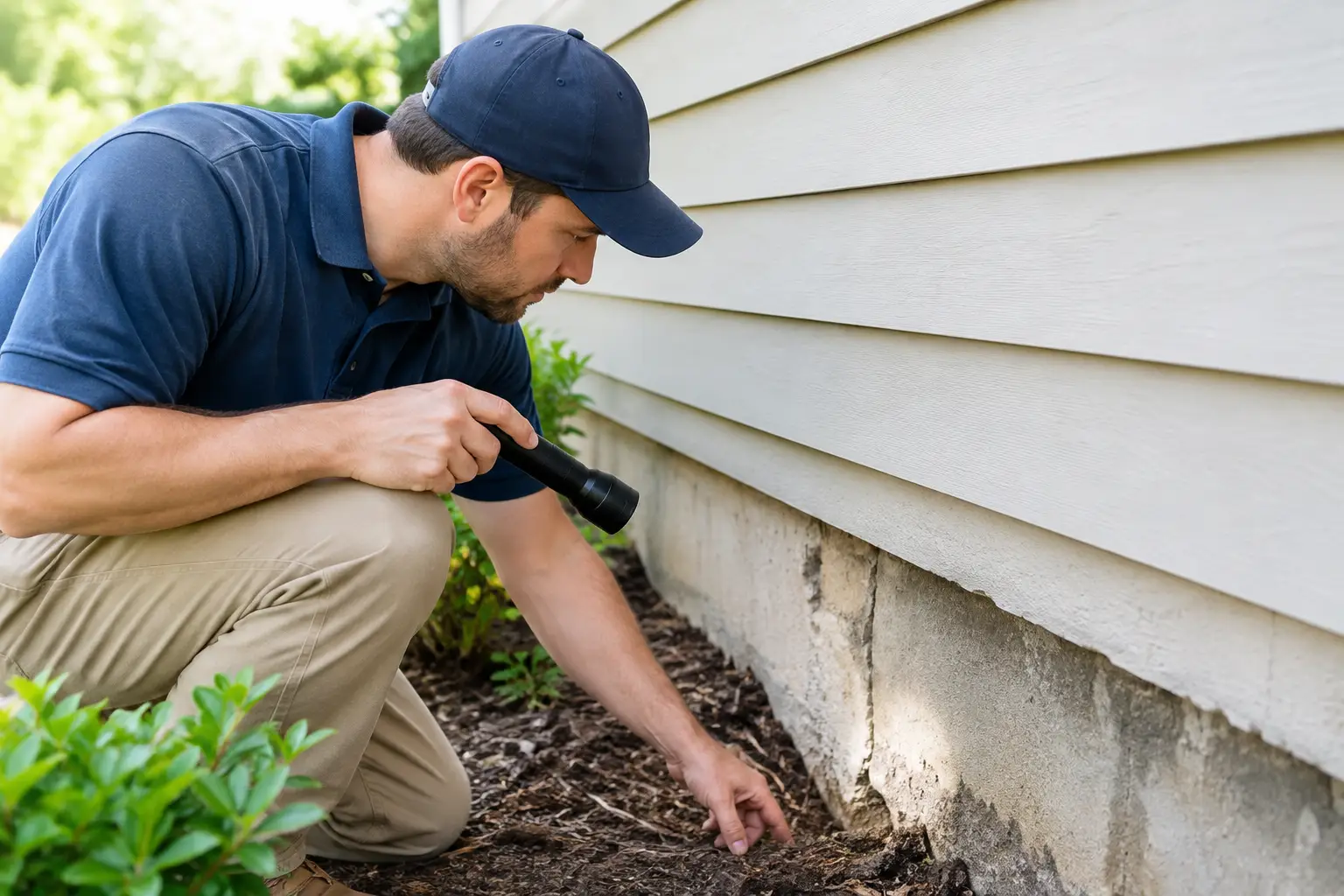
Photos matter here too. A good report uses visuals to remove guesswork. If the summary includes an image of deteriorated trim, double-tapped breakers, or foundation movement indicators, pay attention to what the photo confirms. Pictures help you understand scale, location, and urgency much faster than technical wording alone.
Not all findings deserve the same reaction
This is where buyers can either stay calm and focused or get overwhelmed. A long summary does not automatically mean a bad house. A short summary does not automatically mean a trouble-free house either.
What matters is the type of issue, not just the number of issues. Cosmetic wear, small maintenance items, and common aging conditions are very different from structural movement, unsafe electrical defects, active plumbing leaks, or signs of major moisture intrusion. One report may list fifteen minor repairs. Another may list three items that carry serious financial impact. The second report is often the one that deserves more attention.
How to prioritize what you read
The most useful way to read a summary is in layers. Start with safety. Then move to water intrusion, structural concerns, major systems, and only after that look at routine maintenance and cosmetic defects.
Safety concerns include exposed wiring, missing handrails, gas leaks, improper venting, trip hazards, or electrical conditions that could lead to shock or fire. These items deserve immediate attention because they affect the livability of the home and your risk after move-in.
Water is next because moisture can quietly damage a home for months or years. Roof leaks, poor drainage, plumbing leaks, missing caulking around wet areas, and signs of previous water damage should never be brushed off as small details. In Texas, where heavy rains and heat can stress building materials, moisture-related issues can grow quickly.
Then come structural and major system concerns. Foundation movement, framing concerns, aging HVAC equipment, failing water heaters, sewer line problems, and significant roof wear can carry real replacement costs. These are the findings that often shape negotiations, repair requests, or your decision to bring in a specialist for a closer look.
After that, deal with maintenance items. Loose fixtures, worn weatherstripping, damaged screens, missing doorstops, and similar notes still matter, but they usually do not belong in the same mental category as a potentially failing roof or unsafe electrical panel.
How to understand inspector summary language without overreacting
Inspection reports are written to be accurate and careful. That means the language can sound more alarming than the actual condition if you are reading it without context. Words like deficient, recommend correction, further evaluation, or not functioning as intended are standard inspection language. They are not used to scare you. They are used to document what was observed and protect you from hidden surprises.
The phrase further evaluation is especially important. It usually means the inspector saw enough evidence of a potential issue to recommend a specialist, but the home inspection itself is not invasive and does not include destructive testing. For example, an inspector may note signs of possible foundation movement or HVAC performance concerns and recommend review by the appropriate licensed professional.
That does not automatically mean the worst-case scenario is present. It means more information is needed before you commit to the purchase. That is exactly what a good inspection process is supposed to do.
Ask these questions as you review the summary
As you read, try framing each item with a few practical questions. Is this a safety issue? Is it active or just something to monitor? Could it lead to bigger damage if ignored? Is it likely to be a simple repair, or does it point to a larger system problem?
You should also ask whether the issue affects your buying decision, your budget, or your negotiation strategy. A worn dishwasher may be annoying. A cast iron sewer line with signs of failure is a different conversation.
If your inspector offers post-inspection support, use it. A brief follow-up conversation can often turn a confusing summary into a clear action plan. That support matters, especially for first-time buyers who may not yet know how to separate normal homeownership repairs from costly defects.
What buyers should do after reading the summary
Once you understand the findings, the next step is to organize them into action. Usually that means deciding what to request from the seller, what to budget for after move-in, and what needs additional evaluation before closing.
Some items are reasonable seller repair requests because they involve safety, function, or active defects. Other items may be better handled through credits or price adjustments, especially if timing is tight or you prefer to control the repair after closing. It depends on the local market, the age of the house, and how significant the issues are.
There is also a practical limit to what you should ask for. If you submit a repair request packed with cosmetic complaints and minor maintenance notes, you can dilute the importance of the truly meaningful issues. A focused request built around safety concerns, water intrusion, structural defects, and failed systems is usually stronger.
For buyers in the Houston area, that often means paying especially close attention to drainage, roof condition, HVAC performance, foundation indicators, and moisture-related findings. Those are common pressure points in our climate and housing stock, and they can become expensive quickly if misunderstood.
A detailed, photo-rich report from a company like CK Inspections helps because it gives you something more useful than a checklist. It gives you a way to see the house clearly, sort problems by priority, and avoid costly surprises before the transaction is final.
The goal is clarity, not perfection
No resale home is perfect, and even a well-maintained property will have repair needs. The real value of learning how to understand inspector summary sections is that you stop looking for a flawless house and start looking for a manageable, well-understood risk.
That shift matters. It keeps you from walking away over minor issues, and it also keeps you from overlooking the expensive ones. When you read the summary with priorities in mind, you make decisions with more confidence and less guesswork.
The best inspection report does not just tell you what is wrong. It helps you understand what deserves action now, what can wait, and what questions to ask before you move forward.