
A home inspection repair request tool can change the tone of a real estate deal fast. After an inspection, most buyers are staring at a long report, a looming option period, and one big question: what should we actually ask the seller to address? That is where the right tool becomes more than a convenience. It helps turn inspection findings into a clear, focused repair request that supports smarter negotiation and better protection for your investment.
What a home inspection repair request tool actually does
At its core, a home inspection repair request tool helps buyers and agents pull relevant items from the inspection report and organize them into a seller-facing repair request. Instead of copying and pasting notes from multiple report sections, the tool creates a cleaner process. You can review findings, select concerns, and build a document that is easier for everyone involved to understand.
That matters because inspection reports are designed to document the home’s condition in detail. A repair amendment or repair request serves a different purpose. It needs to be concise, practical, and tied to the items that truly affect safety, function, or future cost.
For buyers, this means less guesswork during a stressful part of the transaction. For agents, it means fewer formatting headaches and a more efficient path from inspection day to negotiation.
Why buyers in Texas benefit from a home inspection repair request tool
In a market like Greater Houston and surrounding communities, buyers often move quickly. Even when the market slows, contract timelines do not leave much room for confusion. A home inspection repair request tool helps keep the process organized when decisions need to happen fast.
Texas homes also come with region-specific concerns that can carry real cost. Roofing wear from heat and storms, drainage issues, foundation movement, aging HVAC systems, plumbing defects, and moisture intrusion are not minor details. They can affect livability, insurance, and long-term maintenance budgets.
When buyers receive a detailed inspection report, they may see dozens of findings ranging from routine maintenance to more serious defects. Without structure, it is easy to focus on cosmetic items and miss the issues that deserve real attention. A good repair request tool helps separate the nice-to-fix items from the must-address concerns.
That kind of clarity protects buyers. It also makes the request more reasonable, which can improve the chance of a productive seller response.
Not every inspection finding should become a repair request
This is where many deals get sidetracked. An inspection report is not a punch list for bringing a resale home up to brand-new condition. It is a professional evaluation of the property as it exists on the day of the inspection.
A strong repair request usually focuses on material defects, safety concerns, active leaks, electrical hazards, structural issues, failing systems, and conditions that could lead to major expense soon after closing. Items such as a loose doorknob or worn caulk may still matter, but they do not always belong in the negotiation if larger concerns are on the table.
A home inspection repair request tool helps because it encourages buyers to be selective. That does not mean asking for less than you should. It means asking for the right things. A shorter, well-supported request often carries more weight than a long document packed with minor complaints.
How the tool helps buyers negotiate with more confidence
Confidence comes from clarity. When a buyer can see the report findings, visuals, and notes in an organized format, the next step feels less overwhelming. Instead of reacting emotionally to every issue, you can review the condition of the home in a more practical way.
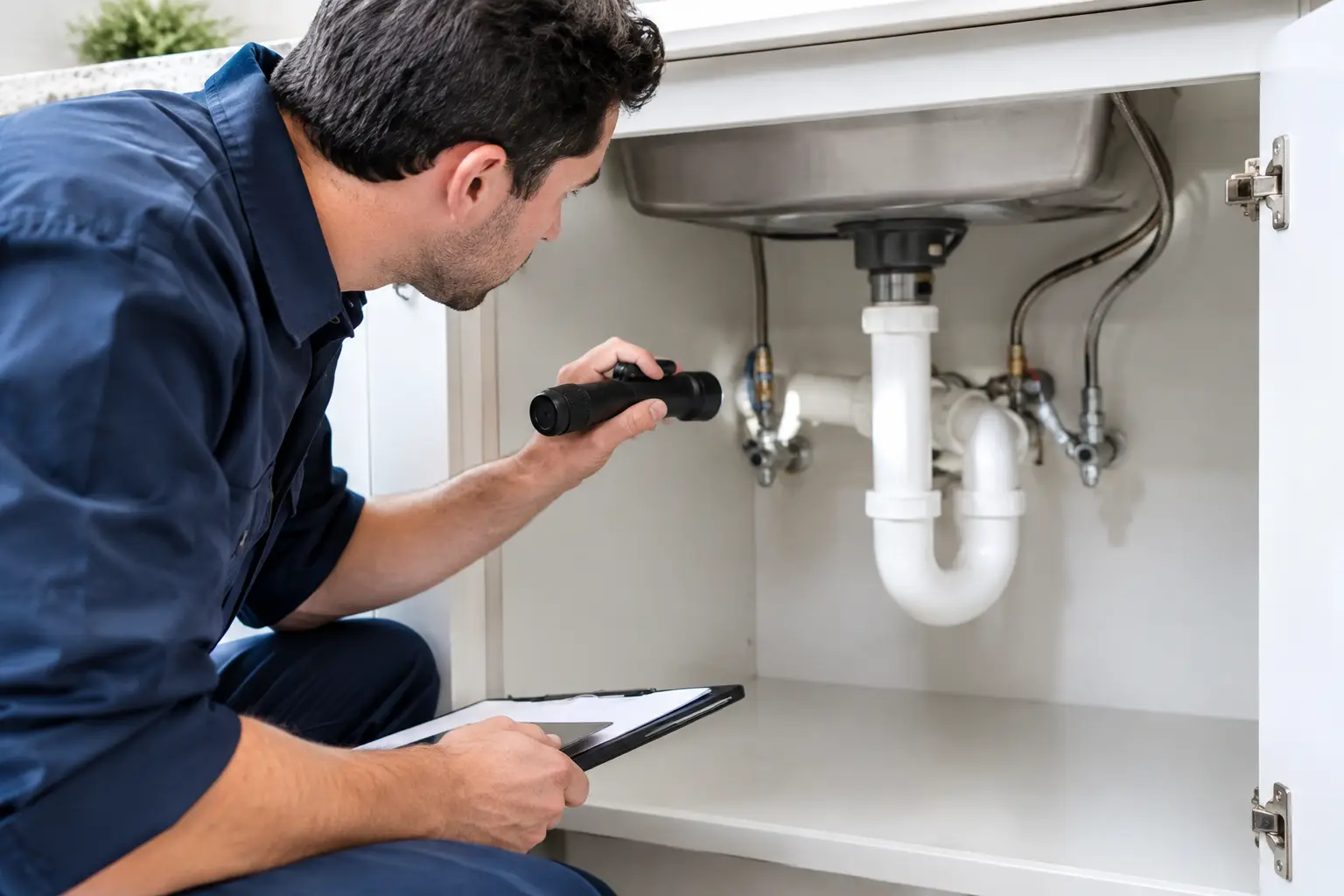
The tool also helps reduce communication errors. If a report documents a furnace safety concern, a plumbing leak under a sink, and missing GFCI protection in wet areas, those issues can be selected and presented clearly. That creates a more direct conversation with the seller about what needs attention and why.
There is also a psychological advantage. Sellers are more likely to respond constructively when the request is organized and tied to documented conditions. A scattered email with vague complaints can create friction. A structured request built from the report feels more professional and easier to evaluate.
For first-time buyers, this can be especially helpful. The inspection process often introduces terms and systems they have never dealt with before. A tool that translates findings into a usable repair request helps them participate in the decision without feeling buried in technical language.
A repair request tool is helpful, but judgment still matters
No tool replaces professional guidance. It helps organize the process, but it cannot decide your negotiation strategy for you.
For example, some buyers may prefer seller repairs before closing. Others may ask for a price reduction, closing cost credit, or no repairs at all if they want control over the work afterward. It depends on the issue, the market, the contract terms, and the seller’s willingness to cooperate.
There are trade-offs. Seller-performed repairs can reduce your out-of-pocket costs before closing, but buyers sometimes worry about the quality or speed of the work. A credit may offer more control, but it also means managing the repair after closing. In a competitive market, asking for too much can weaken your position. In a slower market, buyers may have more leverage.
That is why the best use of a home inspection repair request tool is as part of a bigger decision-making process. The inspection findings provide the evidence. The tool helps organize the request. Your inspector and agent help you decide what makes sense.
What to look for in a good home inspection repair request tool
The best tools are simple to use and grounded in the actual report. They should allow buyers or agents to select findings directly from the inspection results, include photos when helpful, and create a clean document without extra formatting work.
Just as important, the tool should support communication rather than complicate it. If the output is messy, overly technical, or difficult to review, it defeats the purpose. Buyers need something clear enough to understand, and agents need something efficient enough to move the transaction forward.
A strong inspection company supports this process by delivering organized reports with well-documented findings, visual evidence, and post-inspection availability for questions. That combination gives the repair request tool real value. Without a thorough inspection behind it, the tool is just a form.
Why the inspection report quality matters first
The repair request is only as strong as the inspection findings behind it. If the report is vague, poorly organized, or missing photos, buyers and agents have less to work with during negotiations.
A detailed report helps identify which problems are active, which are safety-related, and which may require specialist evaluation. That level of documentation matters when you are asking a seller to respond to concerns before closing.
This is one reason many buyers and agents value modern reporting systems. Clear summaries, visual documentation, and repair request features work together. They help everyone stay on the same page and reduce the risk of misunderstandings during a tight contract period.
For a company like CK Inspections, that support does not stop when the inspector leaves the property. Buyers need to understand what was found, what deserves attention now, and how to use that information to protect themselves before they commit to the purchase.
The real value is peace of mind before closing
A home inspection repair request tool is not about making the process more dramatic. It is about making it more controlled. Buying a house already comes with enough uncertainty. The last thing a buyer needs is confusion about how to handle serious inspection findings.
When the right issues are documented clearly and presented in an organized way, buyers can negotiate from a stronger position. They can avoid costly surprises, focus on meaningful repairs, and make decisions with a better understanding of the home’s true condition.
That does not guarantee every seller will agree to every request. Real estate is rarely that simple. But it does help buyers move forward with more confidence, better information, and fewer loose ends.
If you are preparing to buy a home, do not settle for an inspection experience that ends with a report in your inbox and no practical next step. The right tools, paired with a detailed inspection and real support, can help you protect your investment when it matters most.