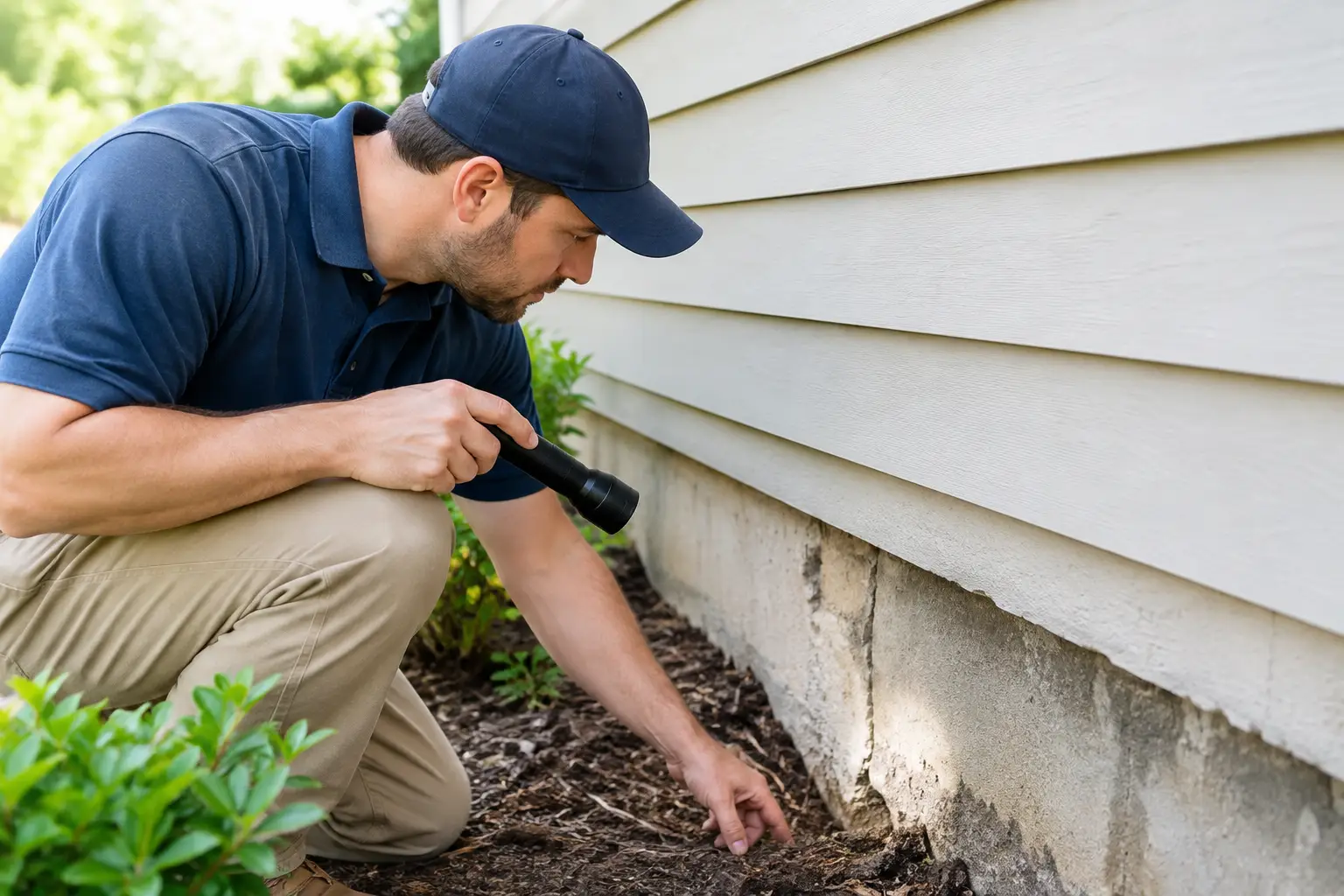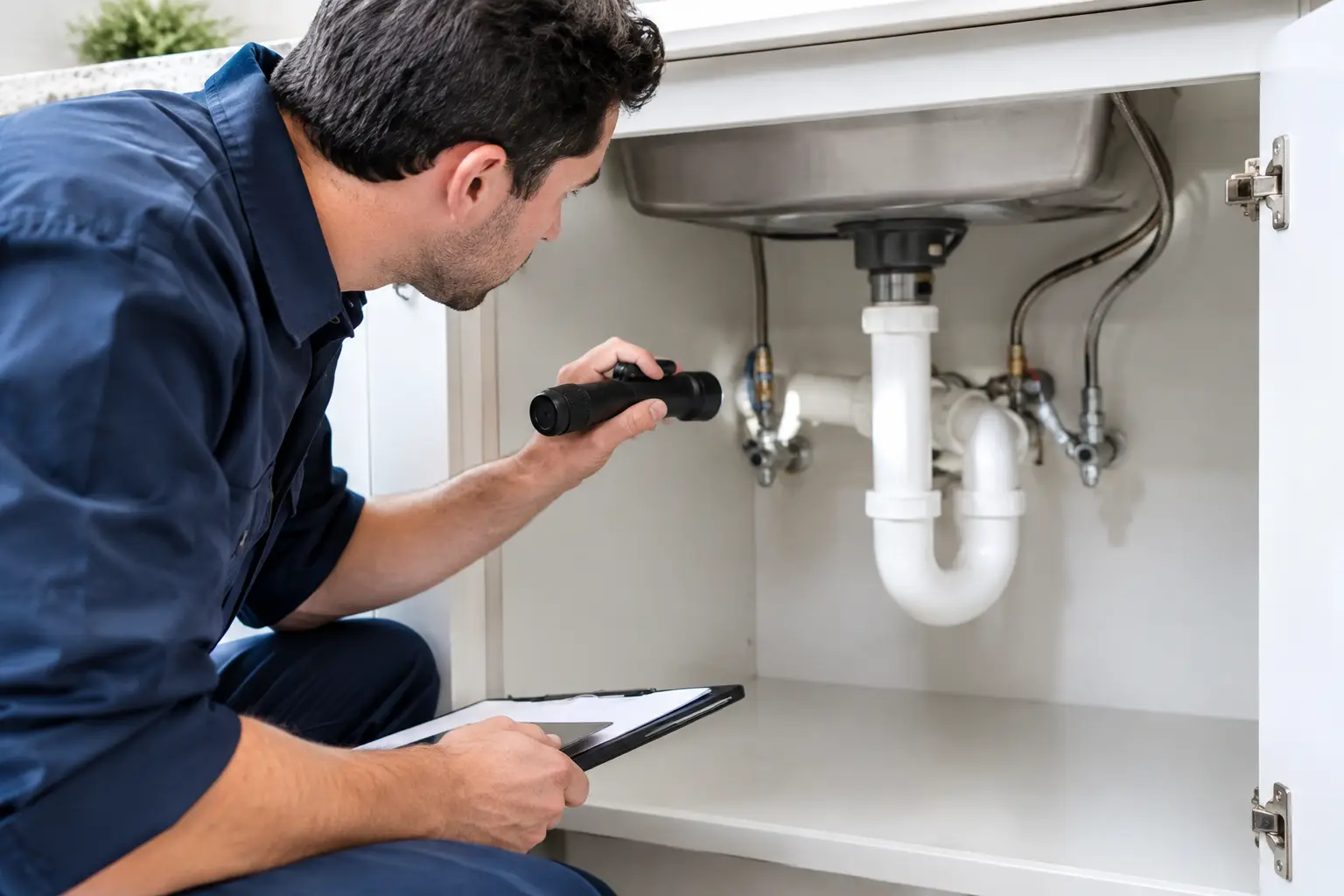
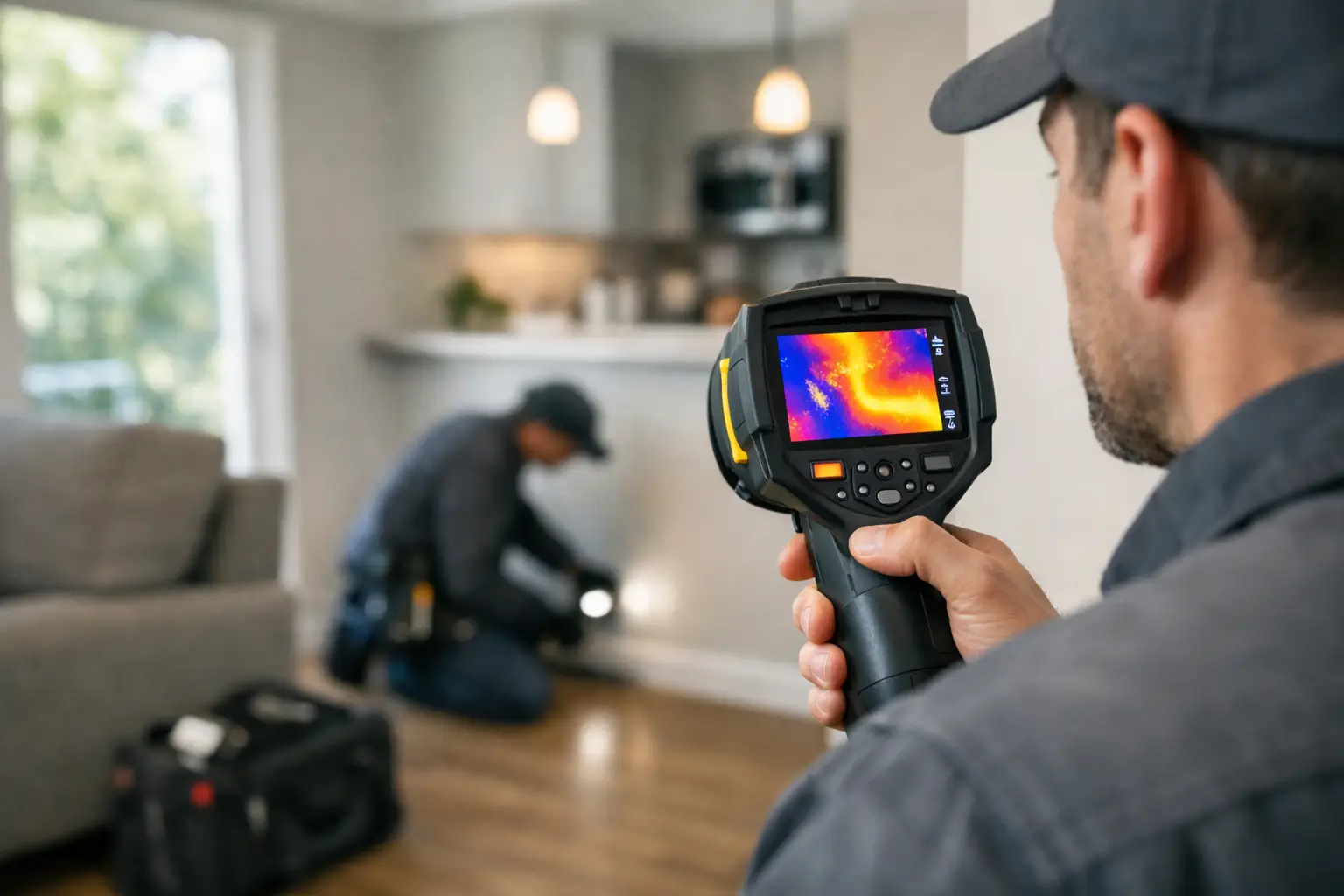
A house can look perfectly fine during a showing and still have moisture behind a wall, missing insulation in an attic slope, or an HVAC issue that is not obvious to the naked eye. That is why many buyers ask, is thermal imaging worth it? In the right situation, it absolutely can be – especially when you are trying to avoid costly surprises before closing.
Thermal imaging is not a gimmick and it is not just for commercial buildings or high-end homes. In residential inspections, it is a practical tool that helps identify temperature differences on surfaces. Those differences can point to hidden concerns that deserve a closer look. For a buyer making one of the biggest financial decisions of their life, that extra layer of information can be very valuable.
What thermal imaging actually does
A thermal imaging camera reads surface temperature patterns. It does not see through walls like X-ray vision, and that distinction matters. What it does is help an inspector spot areas that are warmer or cooler than expected, which can suggest a problem behind the surface.
For example, a cooler patch on a ceiling below a bathroom might indicate active moisture. An unusual hot spot in an electrical panel could suggest overheating. A wall that shows inconsistent temperatures may point to missing insulation or air leakage. The camera does not diagnose every issue by itself, but it gives your inspector a strong clue about where hidden defects may exist.
That is why thermal imaging works best in skilled hands. The camera provides data. The inspector provides context, testing, and judgment.
Is thermal imaging worth it during a home inspection?
For many buyers, the real question is not whether thermal imaging is impressive. It is whether it helps protect the purchase. In many cases, the answer is yes.
A standard home inspection already covers the major systems and components of the property. Thermal imaging adds another way to detect problems that are not easy to see during a visual inspection alone. It can be especially helpful when an issue has not yet caused visible staining, damage, or failure. That matters because early-stage problems are often the ones sellers and buyers miss.
If thermal imaging helps reveal hidden moisture before mold develops, identifies an insulation defect that affects comfort and energy bills, or spots an overheating electrical component before it becomes a larger safety concern, the cost of the add-on can be minor compared to the repair costs it may help you avoid.
That said, it is not magic. It does not replace a full inspection, and it does not guarantee every concealed issue will be found. Good inspection decisions come from understanding both the value and the limits.
Where thermal imaging adds the most value
The strongest case for thermal imaging is when hidden conditions are likely and the cost of missing them is high.
Moisture detection is one of the biggest reasons buyers choose it. In Texas homes, roof leaks, plumbing leaks, and HVAC-related moisture problems are not rare. Sometimes there is no active drip during the inspection and no visible stain yet. A thermal pattern can help flag an area that needs further evaluation before the problem turns into damaged drywall, flooring, or microbial growth.
Insulation and energy loss are another common benefit. In the Houston area, cooling performance matters for both comfort and monthly costs. Thermal imaging can sometimes reveal missing insulation, uneven insulation coverage, or air leakage around openings and penetrations. For buyers moving into an older home, this can explain why certain rooms feel harder to cool and why utility bills may be higher than expected.
Electrical concerns are another category where thermal imaging can help. Heat is often a warning sign. If components in an electrical panel, disconnect, or accessible wiring are operating at abnormal temperatures, a thermal camera may help bring attention to the issue. That does not replace electrical testing, but it can reveal conditions that deserve prompt repair.
HVAC performance can also produce useful thermal clues. Temperature differences at registers or unusual patterns near equipment may suggest system inefficiency or airflow problems. Again, this is not a standalone diagnosis, but it can support a more informed inspection finding.
When is thermal imaging worth it even more?
Some homes are better candidates than others.
If you are buying an older home, thermal imaging is often more worthwhile because hidden wear, patchwork repairs, and outdated materials are more common. If the home has had past renovations, additions, or repairs, the camera may help reveal inconsistencies that deserve attention.
It is also a smart add-on when the house has signs of prior moisture issues, suspicious fresh paint patches, musty odors, uneven room temperatures, or an HVAC system that seems to struggle. Even if those clues do not confirm a defect, they increase the value of looking deeper.
Buyers who want the clearest possible picture before the option period ends also tend to benefit more. In a fast-moving market, you may not get many chances to investigate after closing. If an added inspection tool can reduce uncertainty now, that is often money well spent.
When thermal imaging may have limited value
There are situations where the return is smaller, and it is fair to say so.
Thermal imaging depends on conditions. Temperature differences need to be present for certain defects to stand out. If indoor and outdoor conditions are too similar, or if a system has not been operating long enough, some issues may be less visible at the time of inspection.
It is also not a direct moisture meter, leak test, or invasive inspection method. A suspicious thermal pattern may need confirmation with other tools or specialist evaluation. That means the camera can raise important questions, but it will not answer every one by itself.
On a newer home with no concerning signs, strong builder documentation, and limited risk factors, a buyer may decide the standard inspection already provides enough protection. That does not make thermal imaging unnecessary across the board. It just means value depends on the property, the buyer’s risk tolerance, and the inspection goals.
Common misunderstandings about thermal imaging
One of the biggest misconceptions is that thermal imaging sees through finished surfaces. It does not. It detects surface temperatures and patterns. Interpreting those patterns correctly takes training and experience.
Another misunderstanding is that every hot or cold area means something is wrong. Sometimes a temperature difference is normal. Sun exposure, HVAC cycling, appliance use, and material differences can all affect readings. That is why a qualified inspector does not rely on the image alone.
There is also the opposite mistake – assuming thermal imaging is only a bonus feature with little real-world use. In truth, many hidden issues begin as subtle changes that are hard to notice without specialized tools. When used appropriately, thermal imaging can improve the quality of the inspection in a meaningful way.
What homebuyers should ask before adding it
If you are considering thermal imaging, the best question is not simply, what does it cost? Ask how it will be used during the inspection and what kinds of findings it may help identify in this specific home.
You should also ask whether the inspector is trained to interpret thermal images in a residential inspection setting and how findings will be documented in the report. A useful thermal imaging service should lead to clearer reporting, visual documentation, and practical next steps when concerns are found.
For buyers who want strong protection before closing, that reporting piece matters. Good information is only helpful if it is clearly explained and organized in a way that supports decisions, negotiations, and follow-up repairs.
The real value comes down to risk
Buying a home always involves some level of uncertainty. The purpose of an inspection is not to remove every unknown. It is to reduce your chances of walking into expensive problems without warning. Thermal imaging supports that goal by helping uncover issues that may otherwise stay hidden until after move-in.
For many Texas buyers, especially those purchasing older homes or homes with any hint of moisture, comfort, or electrical concerns, the answer to is thermal imaging worth it is yes. Not because it finds everything, but because it can reveal enough to change your understanding of the property before you commit.
At CK Inspections, that is the point of every add-on service – helping buyers make confident decisions with better information, not buying blind. If thermal imaging gives you a better chance of catching a hidden issue before it becomes your repair bill, that is often a smart investment.
The best inspection choices are the ones that match the risks in front of you, and when hidden defects are a possibility, seeing more before closing is rarely a bad idea.