A home can look spotless during a showing and still have expensive problems hiding behind walls, under flooring, or above the ceiling line. If you’re asking how to choose home inspector services before closing, you’re already doing one of the smartest things a buyer can do – slow down, verify the home’s condition, and protect yourself from costly surprises.
The right inspector does more than point out defects. They help you understand what you are buying, what needs attention now, and what may become a larger expense later. That matters in any market, but especially in Texas, where heat, moisture, shifting soil, older electrical components, drainage issues, and roof wear can all affect a property’s condition.
Why choosing the right inspector matters
A home inspection is not just another box to check during the transaction. It is one of the few chances you have to get an objective look at the property’s major systems before the purchase is final. A rushed or incomplete inspection can leave you with a report that looks official but does very little to help you make a decision.
A good inspection gives you leverage and clarity. It can confirm that a home is in solid shape, reveal repairs worth negotiating, or stop you from buying into a money pit. It also helps reduce the stress that comes from not knowing what is behind the cosmetic updates.
The cheapest option is not always the best value. If an inspector misses roof damage, plumbing leaks, foundation movement, unsafe wiring, or HVAC problems, the real cost shows up after closing.
How to choose home inspector services with confidence
Start with qualifications, but do not stop there. Licensing matters. In Texas, professional home inspectors must meet state requirements, and that is your baseline. The better question is how much real inspection experience they have and how seriously they take the job of protecting buyers.
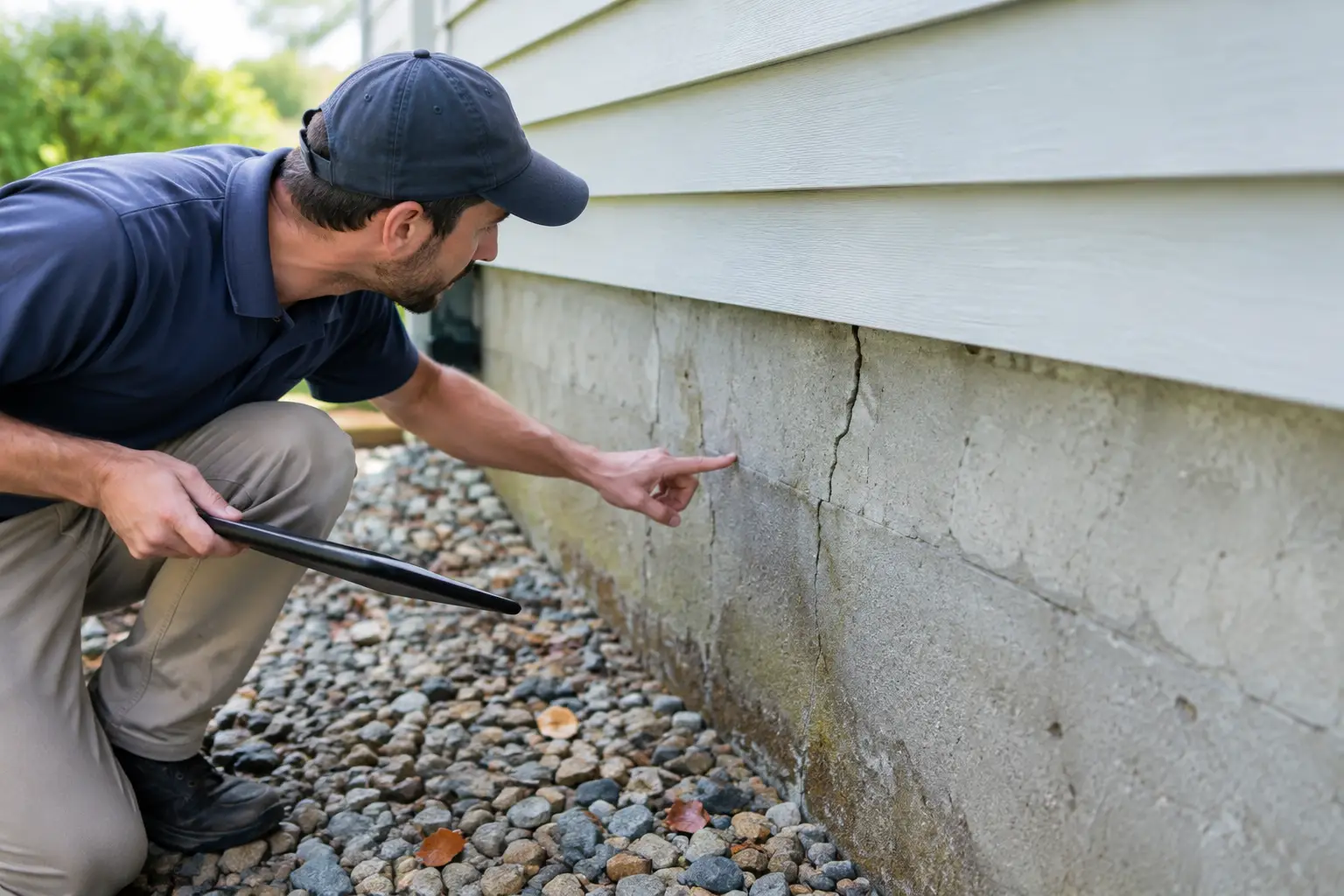
Look for an inspector who regularly evaluates the kinds of homes common in your area. A newer suburban home and a decades-old property can present very different issues. Local experience matters because regional conditions matter. In Greater Houston, Cypress, Katy, and nearby communities, inspectors often need to recognize signs of drainage problems, foundation movement, attic heat stress, roof aging, plumbing concerns, and moisture intrusion patterns that are common in this part of Texas.
The next thing to review is the inspection report itself. Many buyers focus on price and forget to ask what they will actually receive afterward. That is a mistake. A strong report should be clear, organized, and easy to use. It should include photos, practical descriptions, and findings grouped in a way that helps you prioritize repairs and safety concerns. If the sample report feels confusing, vague, or thin on documentation, that is a warning sign.
Communication matters just as much as the report. You want an inspector who can explain issues in plain language without minimizing them or turning every defect into a disaster. Good inspectors are thorough, but they are also practical. They help you separate routine maintenance from meaningful risk.
What to ask before you book
When comparing inspection companies, ask specific questions. General promises like “we’re thorough” do not tell you much. Ask how long the inspection usually takes, whether you can attend, what the report includes, and how quickly it will be delivered.
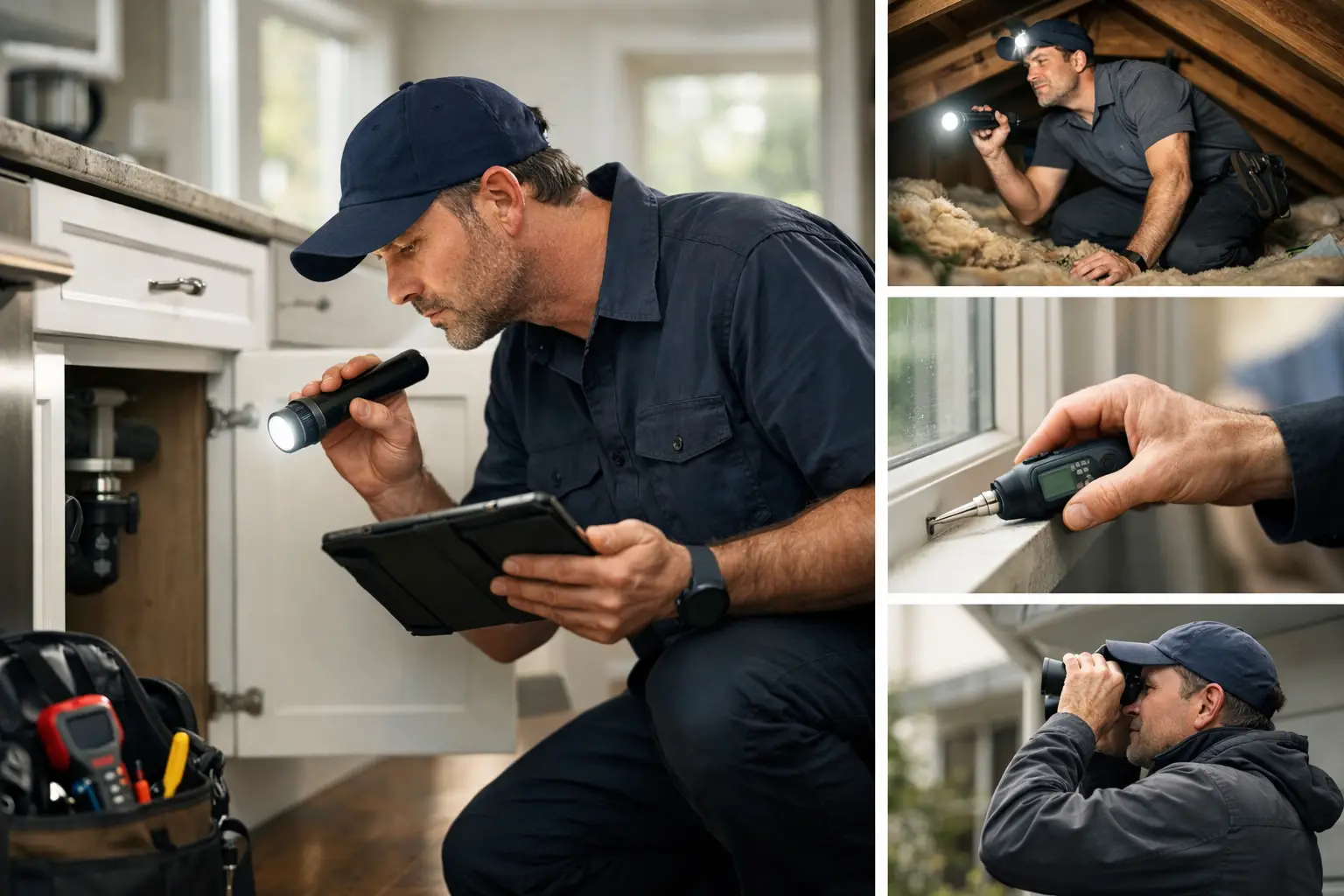
You should also ask what systems and components are covered in a standard inspection. A proper pre-purchase inspection should evaluate major structural elements, roofing, electrical, plumbing, HVAC, interior rooms, insulation, ventilation, and visible exterior conditions. If a company is unclear about scope, move on.
It is also worth asking whether they offer add-on services that may be relevant to the property. Not every home needs every extra service, so this is where judgment matters. For some homes, a wood-destroying insect inspection is important. For others, a sewer line camera inspection, thermal imaging scan, or pool and spa inspection may be a smart layer of protection. The best inspectors do not push extras just to increase the invoice. They explain when an add-on makes sense and when it may not.
Review quality is useful, but specifics are better
Online reviews can help, but do not just look at the star rating. Read the comments for patterns. Buyers often reveal what the experience was really like. Did the inspector explain findings clearly? Did the report arrive on time? Did the company remain available for follow-up questions? Were there strong photos and organized findings? Did the inspection help the buyer negotiate repairs or avoid a poor purchase?
Those details tell you far more than a generic comment about being “great to work with.” If several reviews mention thoroughness, clear reporting, and post-inspection support, that is usually a good sign. If reviews mention rushed appointments, poor communication, or missed defects, take that seriously.
Price matters, but value matters more
It is normal to compare prices. Buying a home is expensive, and every line item feels significant. But if you are deciding how to choose home inspector options based only on the lowest fee, you may be saving a little upfront while taking on much more risk.
A high-quality inspection is part of your risk management, not just a transaction expense. Better reporting, stronger documentation, and time spent answering your questions can directly affect what you ask for during negotiations and how prepared you are for ownership. A few extra dollars for a better inspector can save you thousands.
That does not mean the most expensive company is automatically the best. It means you should compare what is included, how detailed the report is, whether the inspector has local experience, and what kind of support you get after the inspection is complete.
Red flags buyers should not ignore
Some warning signs are easy to miss when you are in a hurry. Be cautious if an inspector cannot provide a sample report, avoids questions about experience, or gives a price without explaining the service. Be careful with anyone who seems more interested in keeping the deal moving than in giving you a full picture of the home’s condition.
Another red flag is a report style that is too minimal to be useful. If findings are not supported by photos or clear descriptions, it becomes harder to understand severity, discuss repairs, or make informed requests. You should not have to decode your inspection report.
Also pay attention to responsiveness before you book. If communication is slow or unclear at the start, do not expect it to improve when you have urgent questions under contract timelines.
The best inspector helps after the appointment too
A home inspection should not end when the inspector leaves the driveway. Buyers often review the report later with their agent, lender, or family and realize they have more questions. That is normal.
Post-inspection support is one of the biggest differences between a basic service and a truly helpful one. A strong inspection company makes it easier to understand the findings, identify next steps, and use the report in the real world. That may include visual documentation, repair request tools, and the ability to talk through what matters most now versus what can wait.
That practical support is especially valuable for first-time buyers and for anyone purchasing in a competitive market where decisions move quickly. Confidence does not come from having a report alone. It comes from understanding it.
Choosing a Texas inspector with the right mindset
Technical knowledge is essential, but mindset matters too. You want an inspector who sees their role clearly: protect the buyer, document the home’s visible condition carefully, and communicate findings honestly. That consumer-protective approach is what helps buyers avoid costly surprises and move forward with confidence.
In Texas markets like Houston, Cypress, and Katy, that means paying attention to the issues that often affect homes here while still evaluating the property as a whole. It also means delivering findings in a way that is organized, practical, and useful during a fast-moving transaction. That is the standard buyers should expect.
If you are comparing companies, choose the one that makes you feel informed, not pressured. Choose the one that shows you what they look for, how they report it, and how they help after the inspection. A company like CK Inspections builds trust by combining thorough evaluations with clear reporting and real support – exactly what buyers need before making a major investment.
The right inspector cannot make the house perfect, but they can help you see it clearly. And when you can see a home clearly, you make better decisions with fewer regrets.