
The inspection report hits your inbox, and suddenly the house you were excited about comes with a list of defects, maintenance concerns, and a few items that feel more serious than expected. This is the moment when a repair request after inspection matters most. Done well, it helps you address meaningful issues without turning a reasonable negotiation into a stalled transaction.
For buyers in Houston, Cypress, Katy, and surrounding Texas communities, this step is less about asking for every small fix and more about protecting your investment. The goal is to focus on defects that affect safety, function, or future cost, then make a clean, supportable request that gives you options before closing.
What a repair request after inspection is really for
A repair request after inspection is a formal way to ask the seller to address specific issues discovered during the home inspection. Depending on the contract, that may mean repairs are completed before closing, a credit is offered so you can handle the work later, or the sales price is adjusted to reflect the condition.
This stage is not designed to create a brand-new house out of a resale property. Every home, even a well-maintained one, will have wear and tear. Caulk dries out. GFCI protection may be missing in older homes. HVAC systems may work today but show age. The report gives you a clearer picture of the property, and the repair request helps you respond strategically.
That is why the strongest requests usually stay centered on issues that matter. Safety hazards, active leaks, electrical defects, roof concerns, major plumbing problems, structural movement, and HVAC failures typically deserve attention first. Cosmetic flaws and minor maintenance items usually carry less negotiating weight.
How to decide what to ask for
Not every item in an inspection report belongs in a repair request after inspection. The smartest approach is to separate findings into three buckets: urgent defects, moderate concerns, and routine maintenance.
Urgent defects are the items most likely to justify a request. These include conditions that could create a safety risk, cause ongoing damage, or require significant expense soon after move-in. Exposed wiring, foundation-related concerns, roof leaks, non-functioning cooling in Texas heat, sewer line issues, or active moisture intrusion often fall into this category.
Moderate concerns can still matter, but they require judgment. An older water heater near the end of its expected life, aging HVAC equipment that is still operating, or windows with failed seals may be worth discussing. Whether you ask for these often depends on the age of the home, the market, the purchase price, and how competitive the deal was.
Routine maintenance items are usually best handled by the buyer after closing. Loose door hardware, minor drywall cracks, worn weatherstripping, and other small punch-list items rarely strengthen your negotiation. If you include too many low-priority requests, you risk distracting from the items that actually need attention.
The best repair requests are specific and reasonable
Sellers respond better when buyers are clear, factual, and measured. A vague message that says, “Please fix everything in the report,” is not likely to move the transaction forward. A concise request tied to documented defects is far more effective.
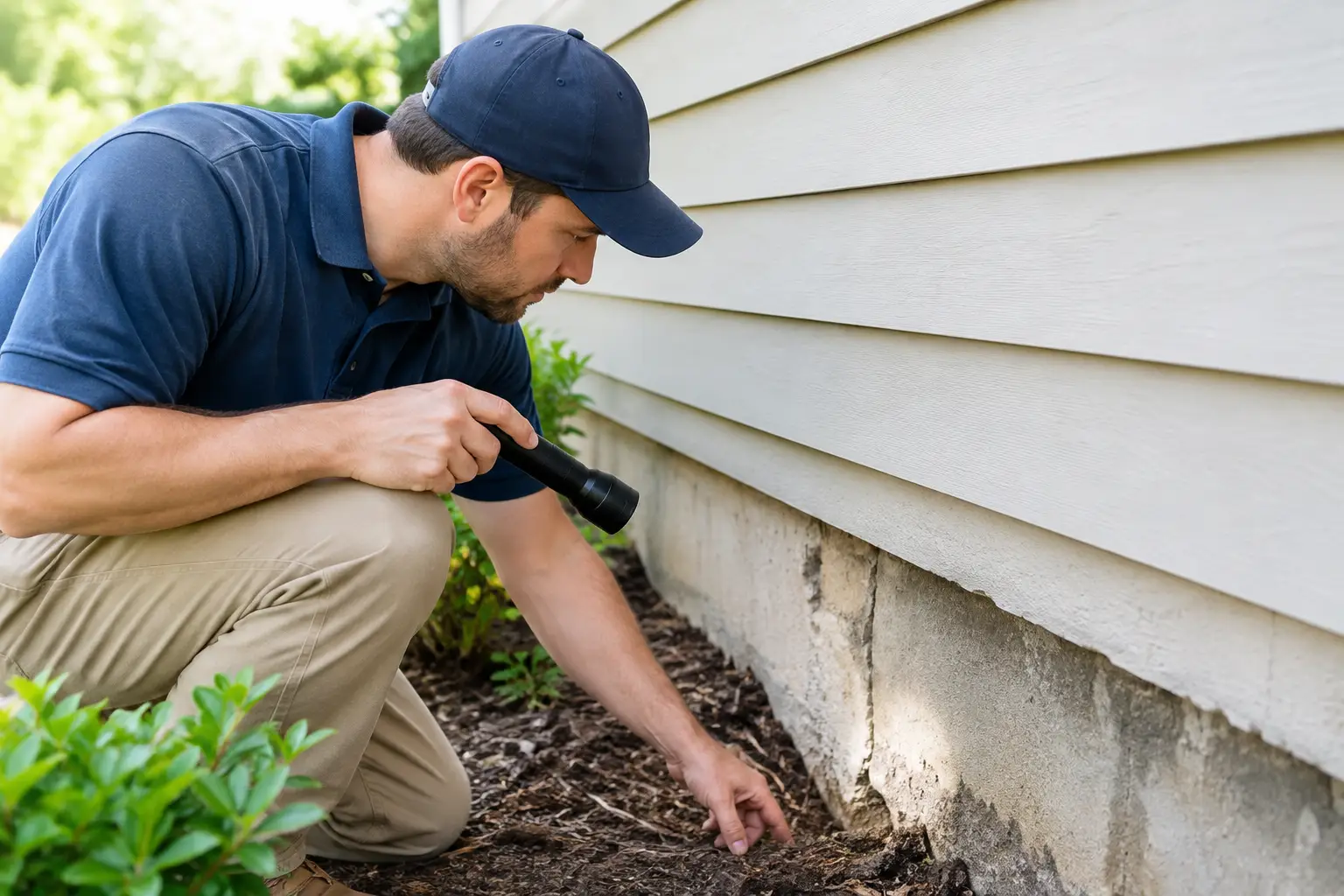
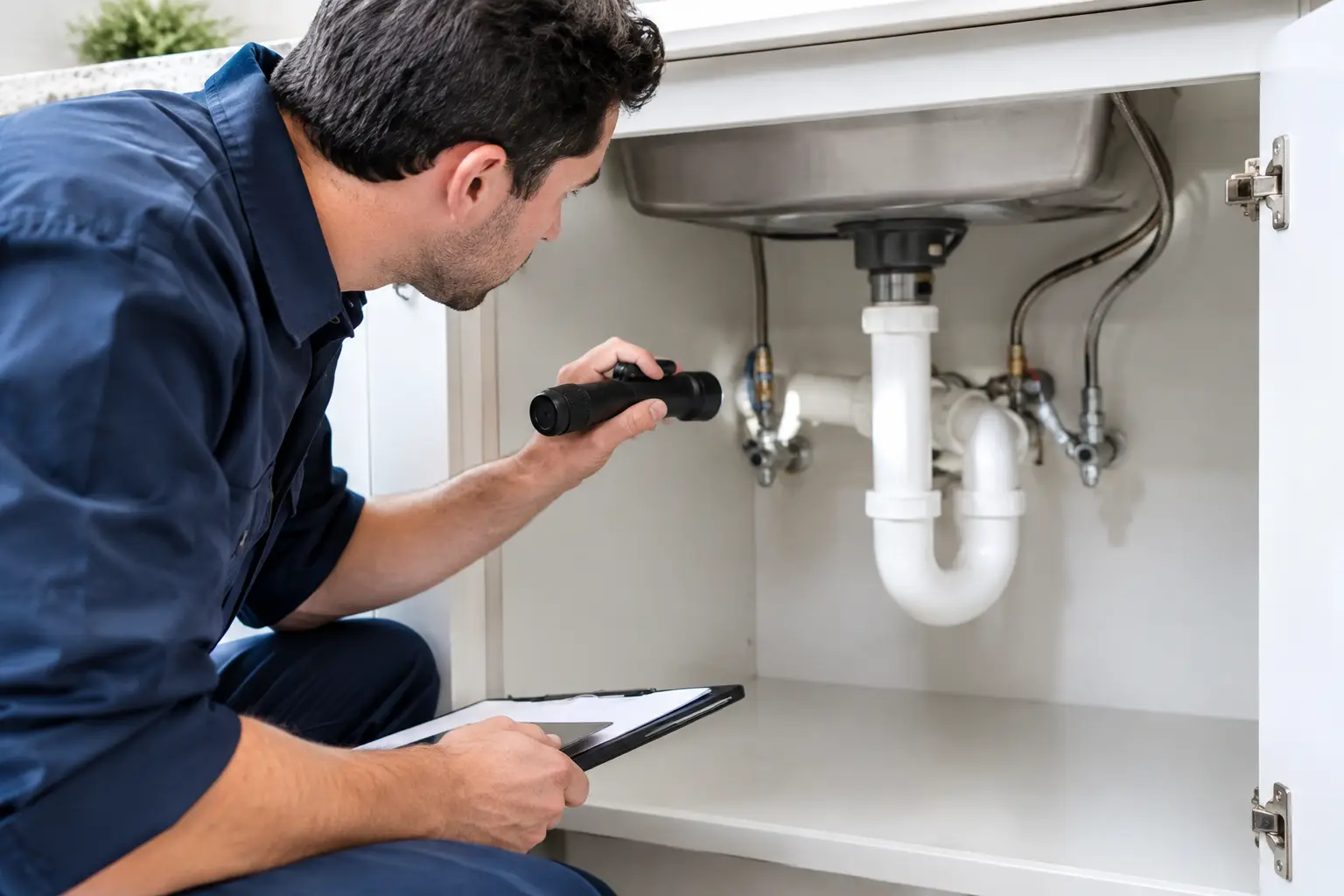
This is where a detailed inspection report becomes especially valuable. Clear descriptions and visual documentation help everyone understand what was observed. Instead of debating whether an issue exists, the conversation can shift to how it should be resolved.
It also helps to think in terms of outcomes, not just line items. If the electrical panel has a defect, the request should address evaluation and repair by a qualified licensed electrician. If there is evidence of active roof leakage, the request should target proper correction of the leak source rather than a cosmetic patch to the ceiling stain.
That distinction matters because surface repairs do not always solve the underlying problem.
Repairs, credits, or price reductions
Many buyers assume the seller should simply make the repairs. Sometimes that works. Sometimes it is the least attractive option.
Seller-performed repairs can be helpful when the issue is straightforward and time allows for proper completion before closing. But there is a trade-off. Sellers are often motivated to resolve items at the lowest acceptable cost, and the buyer may have limited control over the contractor selection or repair quality.
A credit can be cleaner. Instead of relying on the seller to coordinate the work, the buyer receives money at closing, subject to lender and contract rules, and handles repairs afterward. This gives the buyer more control over who does the work and how thoroughly it is done.
A price reduction may also make sense, especially if the needed work is substantial or the buyer prefers to preserve cash terms differently. The right choice depends on your financing, the seller’s flexibility, the repair timeline, and the nature of the defects.
There is no one-size-fits-all answer. In a slower market, buyers may have more leverage to request repairs or credits. In a competitive market, a shorter, more focused request often has a better chance of acceptance.
What sellers are most likely to push back on
Sellers commonly resist requests tied to cosmetic issues, age alone, or perfectly normal wear for the home’s condition. If an air conditioner is older but cooling properly, a seller may not agree to replace it just because it is not new. If windows show minor cosmetic wear, that may not be viewed as a legitimate repair issue.
Pushback also happens when requests feel inflated. Asking for dozens of minor fixes can make the buyer seem unrealistic, even if a few major concerns are buried in the list. That is why prioritizing matters.
It is also worth remembering that inspectors report on observed conditions. They do not decide the negotiation. The report gives you the facts. Your agent and your own risk tolerance help determine what to ask for.
How buyers in Texas should think about major systems
In Texas, some inspection findings deserve extra attention because of climate, soil, and cost. Cooling performance is a serious quality-of-life issue, not a small inconvenience. Drainage and moisture management can affect foundations over time. Roofing problems can become expensive quickly after a heavy storm season. Plumbing leaks hidden under sinks, in walls, or below the home can lead to damage that is easy to underestimate.
That is why a practical repair request after inspection should focus on conditions that could become costly surprises soon after closing. A home does not need to be perfect. It does need to be understood.
For many buyers, specialized inspections also influence the request. A sewer scope may reveal costly line defects. A wood-destroying insect inspection could identify damage or activity that changes the negotiation. Thermal imaging may point to moisture patterns or insulation gaps that deserve further review. The more complete the information, the better your decision-making.
Work with the report, not against it
A good inspection report is not there to scare you out of the deal. It is there to help you move forward with clear eyes. That may mean negotiating repairs. It may mean accepting some issues and planning future maintenance. In some cases, it may mean reconsidering the purchase if the defects are too extensive, the seller is unwilling to negotiate, or the house no longer fits your budget.
This is where post-inspection support makes a real difference. Buyers often need help understanding which findings are common, which are higher risk, and which ones deserve immediate attention. A strong inspector does more than deliver a report. They help you make sense of it so you can decide your next step with confidence.
If your inspection includes organized findings, strong photos, and repair request tools, the process becomes much easier for both buyers and agents. You can sort priorities faster, communicate more clearly, and avoid wasting time on issues that are unlikely to change the deal.
Keep the transaction moving without buying blind
The most effective repair request after inspection is calm, focused, and backed by evidence. It protects you from major surprises without turning the negotiation into a fight over every blemish in the home.
If you are still in the inspection period, slow down just enough to separate what is expensive from what is annoying, and what is urgent from what is simply part of owning a home. That is usually where the best negotiating decisions get made.
At CK Inspections, that is the reason detailed reporting matters so much. When you can clearly see the home’s condition, you are in a better position to ask for the right repairs, accept the right trade-offs, and move toward closing with fewer unknowns.
A house can have flaws and still be the right purchase. The key is making sure the flaws are visible, understood, and accounted for before the keys change hands.