
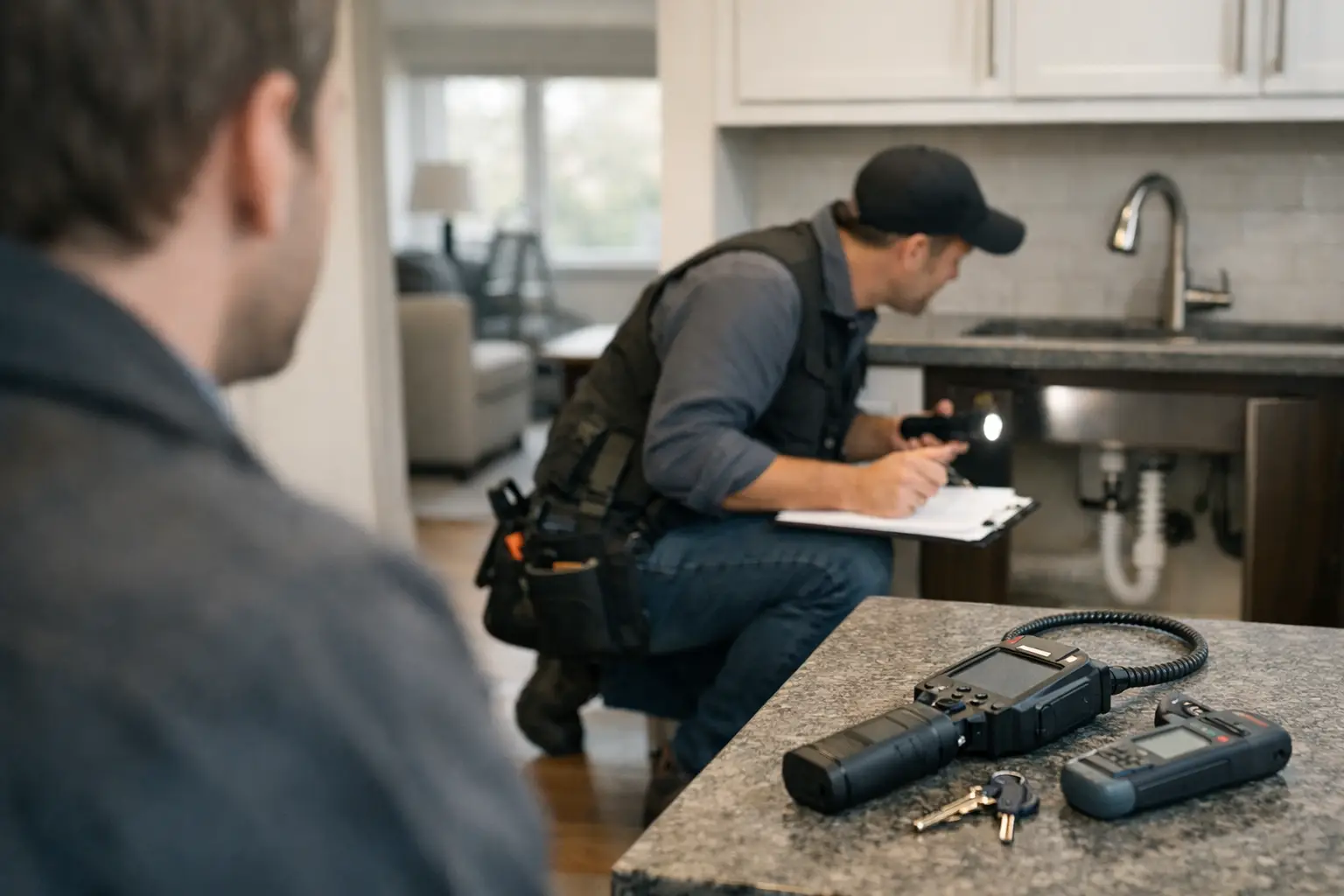
You are standing in a house you may soon own, and an inspector is pointing out a roof issue, a tripped breaker, and a slow plumbing drain. That hour can change how you negotiate, budget, and feel about the purchase. So, should buyers attend inspection appointments? In most cases, yes – at least for part of the inspection – because seeing concerns firsthand often gives buyers more clarity than reading about them later.
That said, attending is not mandatory, and it is not always practical. Work schedules, travel, children, and long distances can make it difficult. The key is understanding what you gain by being there, what the limits are, and how to make the most of the inspection whether you attend in person or rely on the report and follow-up support.
Should buyers attend inspection visits in person?
For most homebuyers, being present is helpful because the inspection report is only one part of the process. A strong report will include photos, organized findings, and clear explanations, but there is still value in hearing an inspector explain the home in real time. You get context that can be hard to capture on paper, especially when the issue is not an immediate dealbreaker but something you will want to monitor, repair, or budget for.
When buyers attend inspection appointments, they can also ask practical questions as they come up. Is that crack cosmetic or structural? Is the HVAC concern urgent or more of a maintenance item? Does that staining indicate an active leak or an old repair? Those conversations help buyers separate normal wear from true risk.
There is also a confidence factor. Buying a home is a major financial decision, and seeing the property through a trained inspector’s eyes can make the next step feel less uncertain. The goal is not to turn the buyer into an inspector. It is to give the buyer a clearer understanding of the home’s current condition.
What buyers gain by attending
The biggest benefit is perspective. A written report may say a bathroom outlet needs GFCI protection, but hearing why that matters for safety tends to make the recommendation more meaningful. A report may note roof wear, but standing outside while the inspector explains remaining service life and signs of deterioration gives that note more weight.
Attending can also help buyers prioritize. Not every finding deserves the same level of concern. Homes have defects, even very good ones. An experienced inspector can often explain which issues are common, which are maintenance-related, and which deserve more immediate attention or negotiation. That can prevent buyers from overreacting to minor items while still taking serious problems seriously.
Another advantage is learning the house itself. Buyers often use the inspection as a chance to understand shutoff locations, filter sizes, panel placement, HVAC setup, attic access, and other ownership basics. That information is useful on day one, especially for first-time buyers.
When attending may not be necessary
There are situations where attending the full inspection is not realistic or even ideal. If the property is far away, if access is limited, or if your workday makes a multi-hour appointment impossible, you can still get strong value from a thorough inspection. In those cases, the quality of the report and the inspector’s willingness to answer questions matter even more.
Many buyers choose to attend only the final walkthrough portion of the inspection. That is often a smart middle ground. The inspector has had time to evaluate the property without interruption, and the buyer can then join for a focused review of the most important findings. This approach respects the inspection process while still giving the buyer face-to-face guidance.
Some buyers also feel more comfortable reviewing everything after they have had time to absorb the written report. That can work well if the report is clear, visual, and supported by post-inspection communication. If you cannot attend, ask for a call to go over the key concerns, likely repair implications, and recommended next steps.
What buyers should not expect at the inspection
Being present helps, but it does not change what a home inspection is. An inspection is a visual evaluation of accessible systems and components at the time of the appointment. It is not a code compliance certification, a guarantee against future failure, or a prediction that nothing will go wrong after closing.
Buyers should also avoid treating the appointment like a contractor bidding session. The inspector’s job is to identify and explain conditions, not provide exact repair pricing for every issue on the spot. If major concerns are found, the next step may involve a licensed specialist for further evaluation or estimates.
It is also worth remembering that inspections take concentration. Following the inspector from room to room with constant questions can slow the process and make it harder to work efficiently. Good inspectors want buyer involvement, but they also need space to inspect thoroughly.
How to attend without getting overwhelmed
The best approach is usually simple. Arrive near the end if that is what your inspector recommends, or be present for key portions without shadowing every step. Bring a short list of questions that matter to your decision, your budget, and your future maintenance planning.
Focus on the bigger picture first. Ask about structural movement, water intrusion, roof condition, electrical safety, plumbing leaks, HVAC performance, and signs of active or costly problems. Cosmetic flaws matter less than issues that affect safety, function, or major repair expenses.
It also helps to listen for categories rather than individual defects. Ask which findings are safety concerns, which are major repair items, and which are routine maintenance. That framing makes the report easier to use when you are deciding what to request, what to accept, and what to plan for after closing.
Questions worth asking on site
A few well-timed questions can make the inspection much more useful. Ask which issues deserve immediate attention, which ones may affect negotiations, and which ones are common for a home of that age. If there is evidence of past repairs, ask whether the condition appears active or old.
You can also ask what kind of specialist should evaluate a concern if follow-up is needed. That is especially helpful with roofing, foundation movement, sewer line concerns, HVAC performance, or suspected moisture intrusion. The right next step saves time and helps you avoid vague repair requests.
Finally, ask about ownership basics. Where is the main water shutoff? How accessible is the attic? Are there signs of deferred maintenance? What routine service should a new owner plan for first? Those answers can be just as valuable as the defect list.
A Texas buyer’s perspective
In the Houston area and surrounding communities, inspections often uncover issues tied to heat, humidity, heavy rain, drainage challenges, aging HVAC equipment, and movement that can affect foundations or finishes. That makes buyer attendance especially useful when conditions need context. A stain on a ceiling, a grading concern near the slab, or a struggling air conditioning system means more when the inspector explains what it may lead to in a Texas climate.
This is also where specialized services can matter. Depending on the property, wood-destroying insect inspections, sewer line camera inspections, thermal imaging, or pool and spa inspections may add important pieces to the picture. If you are attending, ask whether any add-on findings change the negotiation strategy or the immediate repair outlook.
For buyers who want a clear, organized process, CK Inspections focuses on the kind of reporting and post-inspection support that helps turn findings into decisions rather than confusion. That matters whether you are in the home during the appointment or reviewing the results later.
The real answer: yes, but with the right expectations
If you are still asking should buyers attend inspection appointments, the most practical answer is yes, when possible. Attending usually gives buyers better understanding, stronger confidence, and a more useful conversation around the home’s condition. But you do not need to be there for every minute, and you do not need to panic over every note in the report.
What matters most is working with an inspector who communicates clearly, documents thoroughly, and helps you understand what is urgent, what is manageable, and what comes next. If you can attend, treat it as a chance to get informed, not overwhelmed. If you cannot, make sure you still get the guidance needed to avoid costly surprises and move forward with confidence.
A home inspection is one of the few moments in the buying process where the house gets to speak plainly. If you can be there to hear it, that is usually time well spent.