A home can look flawless at showing time and still have expensive problems hiding behind the walls, under the roof, or inside the electrical and plumbing systems. That is exactly why the question of new construction vs resale inspection matters so much for Texas buyers. Whether the property is brand new or decades old, the goal is the same – find issues before closing, protect your budget, and make the purchase with confidence.
Many buyers assume a new home is a safer bet because no one has lived in it yet. Others expect an older home to need more scrutiny because of age and wear. Both assumptions contain some truth, but neither tells the whole story. New homes and resale homes each come with their own risk profile, and a smart inspection approach should reflect that.
New construction vs resale inspection: the main difference
The biggest difference is not whether one type of home needs an inspection and the other does not. Both do. The real difference is the kind of defects that tend to show up.
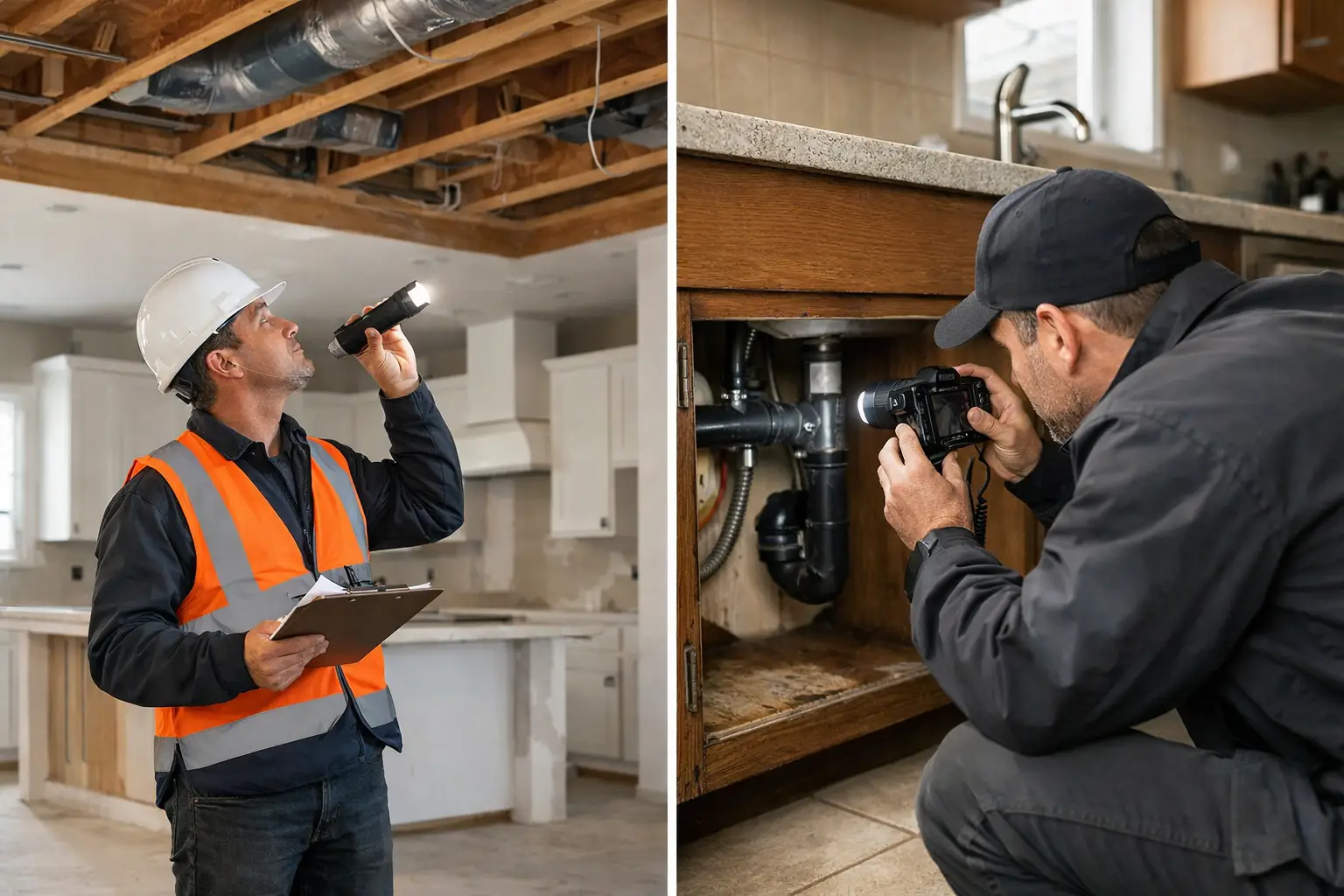
In new construction, concerns often come from installation quality, rushed timelines, trade coordination, and missed details during the building process. A home can be visually clean and still have reversed plumbing connections, HVAC duct issues, incomplete flashing, unsafe wiring conditions, or grading concerns around the foundation. These are not always dramatic defects, but they can become costly if they are missed before the builder warranty period narrows your options.
In a resale home, the inspection is often focused on age-related wear, deferred maintenance, prior repairs, and systems nearing the end of their service life. Roof aging, foundation movement, older electrical components, plumbing leaks, moisture damage, and HVAC performance are common examples. With resale, the question is often less about whether there are defects and more about how significant they are, what they may cost, and what should be addressed before closing.
Why new homes still need an inspection
A municipal code inspection and a private home inspection are not the same thing. Code inspections are limited in scope and timing, and they are not designed to serve as your personal risk review. A private inspection is there to look at the home from the buyer’s perspective.
That matters because new construction can hide problems under a polished finish. A house may have fresh paint, new appliances, and a spotless interior, but those cosmetic details do not confirm that the roof was flashed correctly, the electrical panel was labeled properly, the attic insulation was installed evenly, or the drainage carries water away from the structure.
Builders and trades work under deadlines. In active growth areas around Houston, Cypress, Katy, and nearby communities, construction schedules can be especially tight. When multiple crews move quickly through a project, small oversights happen. Sometimes they are minor punch-list items. Sometimes they affect safety, performance, or long-term durability.
For new construction, timing also matters. Depending on the stage of the home, buyers may benefit from more than one inspection, such as a pre-drywall review and a final inspection before closing. A final inspection is still valuable even if the builder has done walk-throughs, because the buyer needs an objective assessment focused on the home’s condition, not just completion status.
What a resale inspection tends to uncover
Resale homes usually tell a longer story. The inspection helps reveal how the house has aged, how well it has been maintained, and whether past repairs appear professional or patchwork.
In Texas, that often means close attention to the foundation, drainage, roofing, plumbing leaks, HVAC operation, and signs of moisture intrusion. Older homes may also have outdated materials or components that were common when the house was built but are now considered less reliable or less safe. That does not automatically make the house a bad purchase. It simply changes the conversation from appearance to condition.
A resale inspection is also where hidden ownership costs become clearer. A buyer may love the layout and location, but if the water heater is near the end of its life, the air conditioning struggles to cool properly, and the roof shows significant wear, those costs need to be part of the decision. A strong inspection report helps buyers negotiate intelligently or prepare for repairs without guessing.
Which one is riskier?
It depends on what kind of risk you mean.
A new home may have fewer age-related problems, but it can still have installation defects that should never have made it to closing. Those issues can be frustrating because buyers often expect a new house to be trouble-free. When something is wrong in a brand-new home, the disappointment is real, and the timing matters if you want the builder to correct it.
A resale home usually carries more visible and predictable wear, but that does not always mean it is the riskier purchase. In some cases, an older home that has been well maintained can be a more stable investment than a rushed new build with multiple quality-control issues. Age alone does not decide the outcome. Condition does.
That is why inspection should never be treated as a box to check. It is a decision tool. It gives you a clearer picture of what you are buying right now, not what you hope the home will be.
New construction vs resale inspection in Texas
Texas buyers face a few practical realities that make inspections even more important. Heat puts heavy demand on HVAC systems. Expansive soils can affect foundations and drainage. Sudden storms and intense sun can accelerate roof wear and expose weak exterior details. Moisture management matters in both new and older homes, just in different ways.
In a new home, the concern may be whether grading, flashing, sealants, drainage, and attic ventilation were installed correctly from the start. In a resale home, the concern may be whether years of weather exposure, settlement, or deferred maintenance have already taken a toll.
The inspection process should account for those local conditions, not just general homebuying advice. A report that is clear, organized, and backed by visual documentation gives buyers and agents something useful to act on, especially when repair requests or follow-up decisions need to happen quickly.
What buyers should expect from either inspection
Whether you are purchasing a new construction home or a resale property, the inspection should evaluate the major systems and components that affect safety, function, and long-term cost. That includes structural elements, roofing, electrical, plumbing, HVAC, interior conditions, and other accessible areas of the home.
In some cases, add-on services make a lot of sense. A sewer line camera inspection can be valuable when drain issues are a concern. Thermal imaging may help identify hidden moisture patterns or insulation irregularities. Pool and spa inspections matter when those features are part of the purchase. The right scope depends on the house, not just the transaction type.
What buyers need most is clarity. You should come away understanding which issues are significant, which are routine maintenance items, and which deserve negotiation or repair before closing. You should not be left sorting through vague comments or trying to decode technical language on your own.
The mistake buyers regret most
The biggest mistake is assuming one type of property is safe enough to skip inspection.
Some buyers waive an inspection on new construction because they trust the builder process. Others lower their guard on a resale home because it looks updated and well staged. Both decisions can lead to costly surprises. Appearance is not proof of performance.
A protective inspection gives you leverage before closing, when your options are strongest. After closing, even a manageable issue feels more expensive because it is now fully yours. That is why experienced buyers and practical agents treat inspection as a form of protection, not delay.
At CK Inspections, that protection means looking past the surface, documenting what matters, and giving buyers the kind of clear information that supports confident decisions.
If you are deciding between a new home and a resale home, do not ask which one deserves an inspection. Ask what each property could be hiding, and make sure you find out before the keys are in your hand.