That charming 1960s ranch in Katy or the beautifully updated bungalow near Houston can look move-in ready at first glance. But the top issues found in older homes are often hidden behind fresh paint, newer flooring, and staged furniture – and those hidden problems can turn a great deal into an expensive lesson after closing.
Older homes can offer solid construction, mature neighborhoods, and character you simply do not get in many newer builds. The trade-off is that age affects every major system in a home. Materials wear out, standards change, and past repairs are not always done well. That is why a thorough inspection matters so much before you commit.
Why older homes deserve a closer look
A house does not need to be falling apart to have significant defects. In many cases, older properties have a mix of original components, partial upgrades, and do-it-yourself fixes added over decades. That patchwork can create safety concerns, maintenance headaches, and repair costs that are easy to miss during a showing.
In Texas, heat, humidity, shifting soils, and intense storms add another layer of stress. A home that has stood for 40, 50, or 70 years may still be a smart purchase, but only if you understand what condition it is really in today.
Top issues found in older homes buyers should watch for
Foundation movement and structural stress
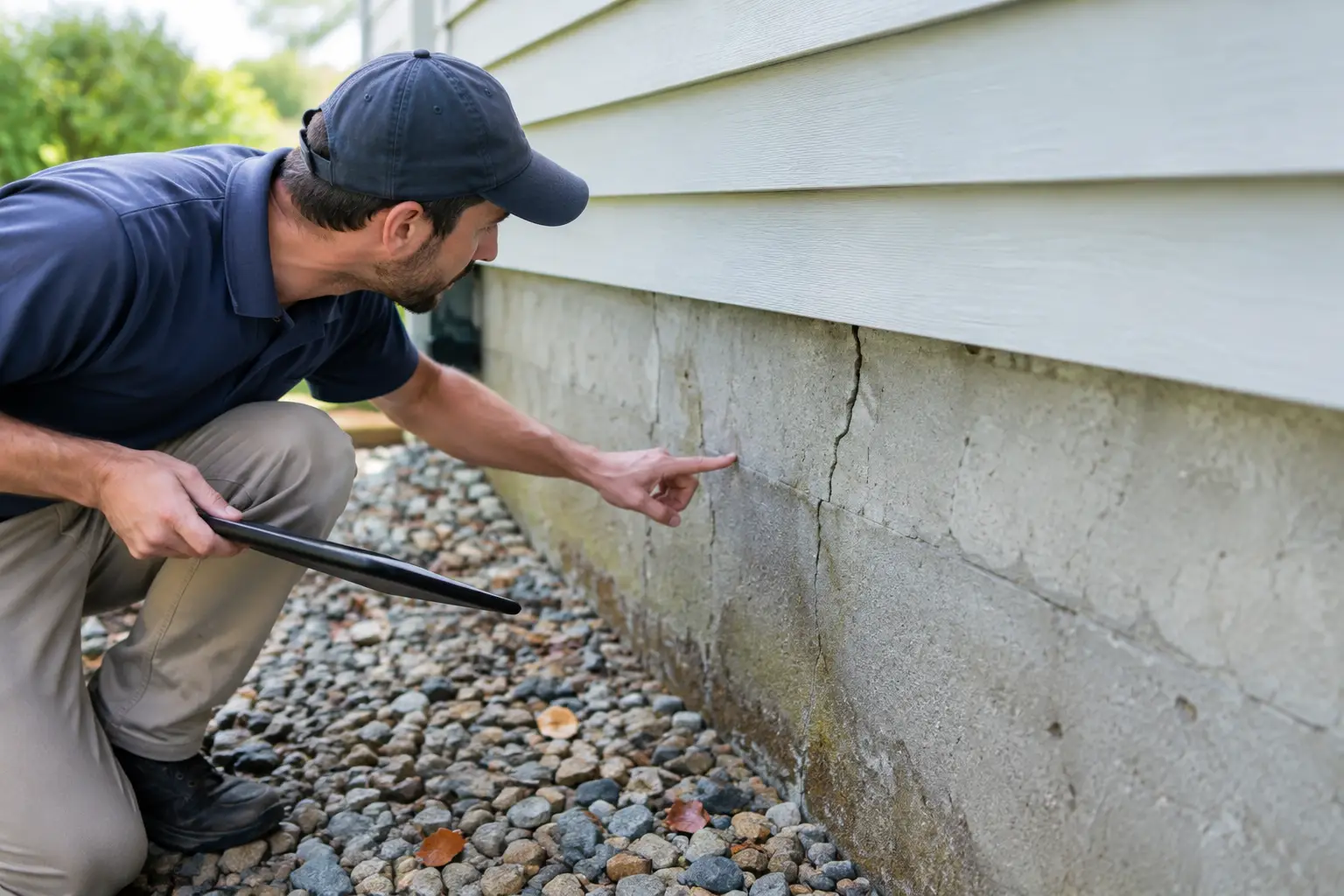
Foundation concerns are high on the list for older Texas homes. Expansive soils, drainage problems, and long-term settling can all affect how a home sits over time. Sometimes the warning signs are obvious, such as large wall cracks, doors that stick, or sloping floors. Other times, the clues are more subtle, like uneven gaps at doors and windows or cracks that have been patched and repainted.
Not every crack means major structural failure. Some movement is minor and common, especially in this region. The key is understanding whether the signs suggest normal aging, ongoing movement, or repairs that may need closer evaluation. Buyers should be careful not to assume cosmetic patching solved the underlying problem.
Aging electrical systems
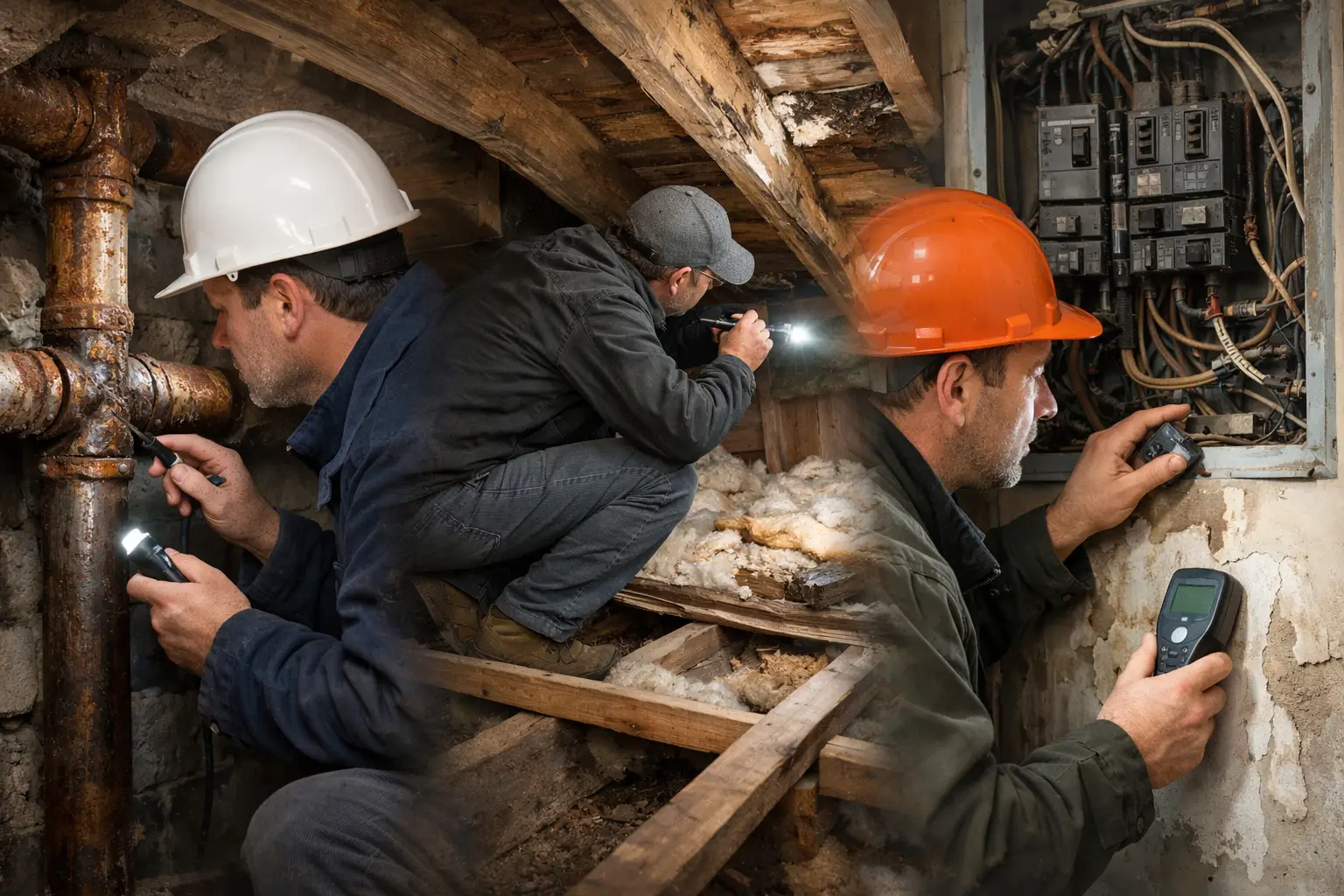
Electrical defects are among the most serious issues in older homes because they can affect both safety and insurability. Homes built decades ago may have outdated panels, undersized service, ungrounded receptacles, aluminum branch wiring, or amateur modifications made over the years.
A house may function day to day and still have hidden electrical concerns. Lights turning on and outlets working do not automatically mean the system is safe by current standards. In some older homes, additions or renovations increased demand without a proper electrical upgrade. That can lead to overloaded circuits, overheating, and higher fire risk.
Old or deteriorated plumbing
Plumbing materials matter in older homes. Depending on the age of the property, you might find galvanized steel supply lines, aging cast iron drain lines, outdated shut-off valves, or evidence of long-term leaks under sinks and around fixtures. Even when plumbing is still operational, corrosion inside pipes can reduce water flow and lead to future failures.
This is one area where what you cannot see matters as much as what you can. An older home may have had a few visible plumbing updates while the buried or concealed sections remain original. Sewer line problems, in particular, can stay hidden until backups or costly repairs appear. For some homes, a sewer camera inspection is a smart extra step.
Roof wear and past patchwork
An older roof is not always at the end of its life, but age and repair history matter. In Texas, roofing materials take a beating from sun exposure, wind, hail, and heavy rain. Older homes may also have multiple roof layers, inconsistent repairs, or flashing details that were never installed correctly.
A roof issue is not just about shingles. Flashing, penetrations, drainage, decking condition, and attic signs of moisture all help tell the full story. A roof can look acceptable from the ground and still have deficiencies that lead to leaks, wood damage, or insulation problems.
HVAC systems near the end of service life
Heating and cooling equipment does not last forever, especially in the Houston area where air conditioning runs hard for much of the year. In an older home, the HVAC system may be original to a past remodel, poorly maintained, or mismatched with newer components.
A unit that cools during a showing can still be near failure. Dirty coils, aging refrigerant systems, damaged ductwork, weak airflow, and improper installation are all common findings. Even if the system is working now, buyers should understand remaining life expectancy and likely replacement costs.
Moisture intrusion and hidden water damage
Water is one of the most expensive and persistent threats to any home. The older the house, the more opportunities there have been for leaks around roofs, windows, tubs, showers, plumbing fixtures, and exterior penetrations. Sometimes the home has already been repaired. Sometimes only the visible damage was covered up.
Staining, soft materials, musty odors, swollen trim, and microbial growth can all point to moisture problems. In humid Texas conditions, poor ventilation can make things worse. Bathrooms, attics, laundry areas, and kitchens deserve close attention because repeated moisture exposure can damage finishes and structural materials over time.
Window, door, and insulation deficiencies
Many buyers focus on the big-ticket systems and forget about efficiency. Older windows and doors may be drafty, damaged, painted shut, or no longer sealing properly. Insulation in attics and walls may be limited compared to modern expectations, and air leakage can make the home harder and more expensive to cool.
This may not feel as urgent as electrical or foundation concerns, but comfort and operating costs matter. In some homes, these are manageable upgrades. In others, they are part of a bigger pattern of deferred maintenance.
Outdated or unsafe materials
One of the more complicated top issues found in older homes is the presence of materials that were common when the house was built but are treated very differently today. Depending on the age and history of the property, that may include asbestos-containing materials, lead-based paint, or older insulation types.
These materials do not always create immediate danger simply because they exist. Risk depends on location, condition, and whether materials are disturbed during repairs or renovations. Still, buyers should know what may be present before planning updates or budgeting future work.
Wood damage and insect activity
Older homes can be more vulnerable to wood rot and wood-destroying insects, especially where moisture has been present. Damaged trim, crawlspace framing, siding, fascia, and other wood components may show evidence of decay or past infestation.
Termite activity is a major concern in Texas, but rot can be just as costly if it affects structural areas. Fresh paint can hide deterioration for a while. A careful inspection helps distinguish between cosmetic wear and deeper damage that may need correction.
What makes older homes tricky for buyers
The biggest challenge is that defects rarely show up one at a time. A home with foundation movement may also have drainage issues. An old plumbing system may have already caused hidden moisture damage. A roof leak may have affected insulation, ceilings, and framing. Problems tend to overlap.
That is why buyers should avoid evaluating an older home based only on appearance or seller disclosure language. A tasteful renovation can improve a home, but it can also hide shortcuts. New counters and flooring do not tell you much about the condition of the electrical panel, drain lines, attic ventilation, or structural movement.
How a home inspection helps you avoid costly surprises
A strong inspection gives you clarity, not fear. The goal is not to scare you away from an older home. It is to identify what is functioning, what is aging, what appears defective, and what may need repair or specialist follow-up before you move forward.
That clarity matters during negotiations. If significant issues are uncovered, you may be able to request repairs, negotiate credits, adjust your budget, or decide the property no longer fits your risk tolerance. If the findings are manageable, you move ahead with better expectations and fewer surprises.
For older homes especially, organized reporting and visual documentation make a real difference. Buyers need to understand not just that an issue exists, but where it is, why it matters, and how urgent it may be. That is part of how CK Inspections helps clients make confident decisions before closing.
When an older home is still a good buy
Age alone is not a reason to walk away. Some older homes have been exceptionally maintained and thoughtfully updated. Others may need work but still make financial sense if the price, location, and repair scope align with your goals.
The right question is not whether an older home has issues. Most do. The real question is whether you know about those issues before closing and whether you are comfortable with what comes next.
If you are buying an older home in Houston, Cypress, Katy, or the surrounding area, go in with clear eyes. Character is great. Confidence is better.