A deal can look solid on paper and still fall apart for two very different reasons: the home has serious defects, or the value does not support the price. That is the core of inspection contingency vs appraisal, and knowing the difference can protect you from a very expensive mistake.
Many buyers hear both terms during the contract period and assume they do roughly the same job. They do not. One is about the property’s condition. The other is about the lender’s view of value. If you mix them up, you may misunderstand your rights, your risks, and your next move when a transaction gets complicated.
Inspection contingency vs appraisal: what each one means
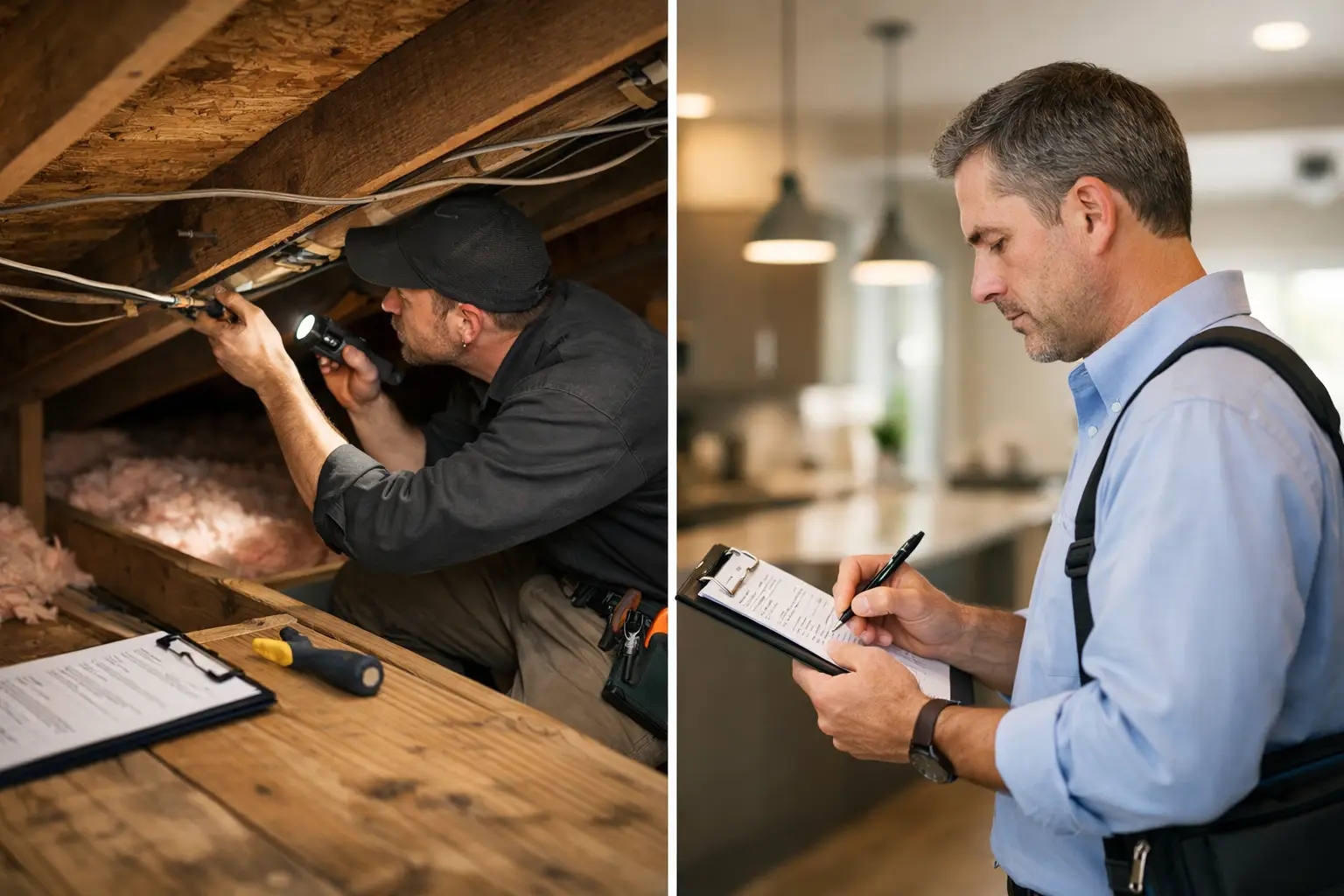
An inspection contingency gives the buyer a chance to evaluate the home’s physical condition before fully committing to the purchase. During that window, a professional home inspection can uncover issues with the roof, foundation, electrical system, plumbing, HVAC, attic, appliances, or other major components. If the findings raise concerns, the buyer may be able to negotiate repairs, request credits, or in some cases walk away under the contract terms.
An appraisal contingency, by contrast, is tied to value. The lender orders an appraisal to estimate what the property is worth in the current market. If the appraised value comes in lower than the agreed purchase price, the lender may not finance the full amount the buyer expected. That creates a gap. The buyer may need to renegotiate, bring more cash to closing, or cancel the deal if the contract allows it.
That is why inspection contingency vs appraisal is not a minor wording issue. They protect against different problems, involve different professionals, and lead to different negotiations.
The inspection contingency protects you from hidden defects
A home can appraise at value and still have major problems. That is a point many buyers do not realize until they are deep into a transaction.
An appraiser is not performing a full home inspection. The appraiser’s job is to assess market value for the lender, not to give the buyer a detailed analysis of the property’s condition. Even if an appraiser notices obvious issues, the appraisal is not a substitute for a comprehensive inspection.
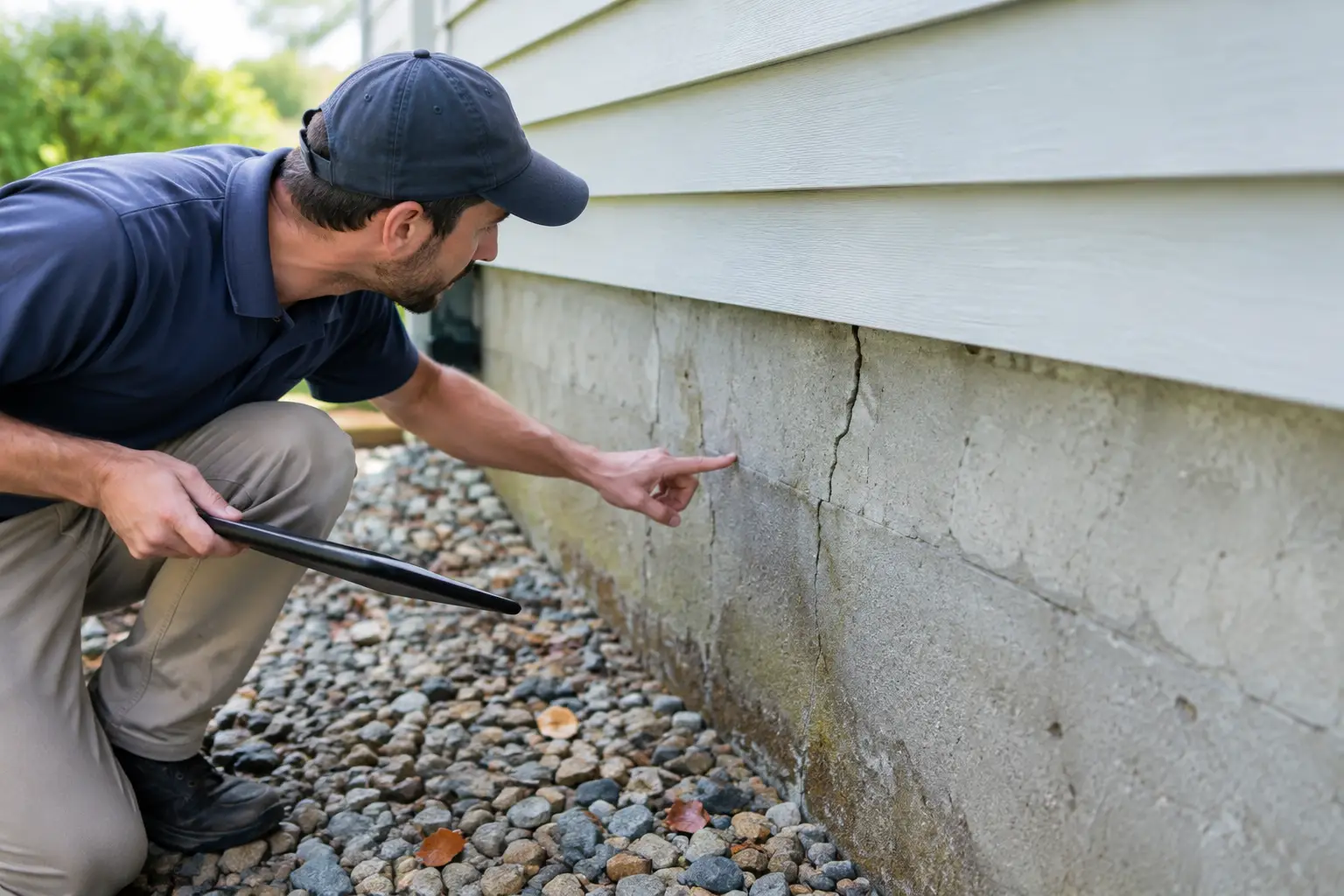
A home inspection is where buyers get a closer look at what they are actually buying. This is where hidden repair costs often show up. A roof near the end of its life, active moisture intrusion, unsafe electrical conditions, drainage issues, aging HVAC equipment, or foundation movement can affect your budget far more than a low appraisal can.
For Texas buyers, this matters even more because homes in the Houston area and surrounding communities often deal with heat, humidity, shifting soils, heavy rain, and drainage-related concerns. Those are not small details. They can turn into costly surprises after closing if they are missed.
A strong inspection report gives you something concrete to work from. It helps you see what needs immediate attention, what may need monitoring, and what expenses could be waiting around the corner. That is how buyers make informed repair requests instead of guessing.
The appraisal contingency protects you from overpaying
If the inspection is about condition, the appraisal is about price support.
When the appraisal comes in at or above the contract price, the financing process usually continues without much drama. When it comes in low, the lender may only base the loan amount on the appraised value rather than the purchase price. If there is a shortfall, someone has to solve it.
Sometimes the seller lowers the price. Sometimes the buyer makes up the difference in cash. Sometimes both sides meet in the middle. And sometimes the deal ends.
This can happen even in competitive markets. A bidding war may push a contract price above what the appraiser can support using comparable sales. That does not always mean the buyer made a bad offer. It does mean the financing side of the transaction may need to be reworked.
For buyers trying to protect their cash reserves for moving costs, repairs, and future maintenance, that extra out-of-pocket money can be a serious issue. A home might be worth stretching for emotionally, but that does not always make it wise financially.
Where buyers get confused
The most common misunderstanding is thinking a low appraisal and a bad inspection are basically the same kind of problem. They are not.
A low appraisal says the lender’s appraiser believes the market value is lower than the contract price. A bad inspection says the property has physical defects or maintenance concerns that may affect safety, function, or future costs. One is about valuation. The other is about condition.
There is some overlap in real life, but not in purpose. Major defects can influence value. A damaged roof or foundation problem may affect what a buyer is willing to pay. But the inspection process and the appraisal process still answer different questions.
The better question is not which one matters more. It is which risk are you trying to control.
Which contingency is more important?
For most homebuyers, the inspection contingency is the more personal form of protection because it speaks directly to the condition of the house you will live in and maintain.
A low appraisal is a financing problem, and financing problems can sometimes be negotiated. A serious inspection issue may follow you long after closing. If the sewer line is damaged, the attic shows signs of moisture intrusion, or the electrical panel has safety concerns, those are not abstract transaction details. Those are future repair bills and ownership headaches.
That said, it depends on your finances and the market. If you have plenty of cash and are comfortable covering an appraisal gap, the appraisal contingency may matter less to you. If you are buying near the top of your budget, a low appraisal can be a deal-breaker.
Likewise, some buyers are willing to accept cosmetic flaws or aging systems if the price is right. Others want a clearer picture of every major system before moving forward. There is no universal answer, but there is a clear pattern: buyers who skip due diligence usually take on more risk than they realize.
What Texas buyers should pay attention to
In Texas contracts, option periods and financing terms often shape how these protections work in practice. The exact language matters, and your real estate agent can explain the contract itself. But from a buyer protection standpoint, the timing is critical.
Schedule the inspection early. The sooner you understand the home’s condition, the more room you have to negotiate or make a confident decision. Waiting too long can compress your timeline and limit your options.
It also helps to view the inspection report the right way. Not every issue should derail a purchase. Nearly every home has findings, especially resale homes. The real value is in understanding severity, safety concerns, deferred maintenance, and likely cost exposure.
That is why detailed reporting matters. Clear photos, organized findings, and practical explanations make it easier to separate normal wear from meaningful defects. Buyers should not be left trying to decode technical language on their own.
Inspection contingency vs appraisal in a competitive market
In a hot market, buyers sometimes feel pressure to waive protections to make an offer more appealing. That can be tempting, especially when inventory is tight.
But waiving an inspection contingency can leave you buying blind. A fast-moving deal does not make foundation issues less expensive. It does not make an old roof last longer. And it does not reduce the cost of plumbing leaks hidden behind walls.
Waiving an appraisal contingency can also be risky if you are not prepared to bring extra cash to closing. That may be manageable for some buyers, but it should be a deliberate choice, not a rushed one.
If you are competing hard for a home, the smarter move is to understand exactly what risk you are accepting. A competitive offer should still be an informed offer.
Why the inspection still matters even if the home appraises
This is the practical takeaway buyers need to remember: an appraisal does not protect you from hidden defects.
You can have a clean financing path, a contract price the lender supports, and still inherit major repairs after closing. That is why home inspections remain one of the most valuable parts of the due diligence process. They give you real information before the house becomes your responsibility.
For buyers who want fewer surprises and more confidence, a thorough inspection is not just another box to check. It is one of the clearest ways to avoid costly surprises and negotiate from a position of knowledge. Companies like CK Inspections build that peace of mind through detailed findings, visual documentation, and support after the inspection so buyers are not left wondering what the report really means.
If you remember one thing about inspection contingency vs appraisal, make it this: the appraisal helps the lender decide what the house is worth, but the inspection helps you decide what the house is really going to cost you. That is a difference worth taking seriously before you sign your final papers.