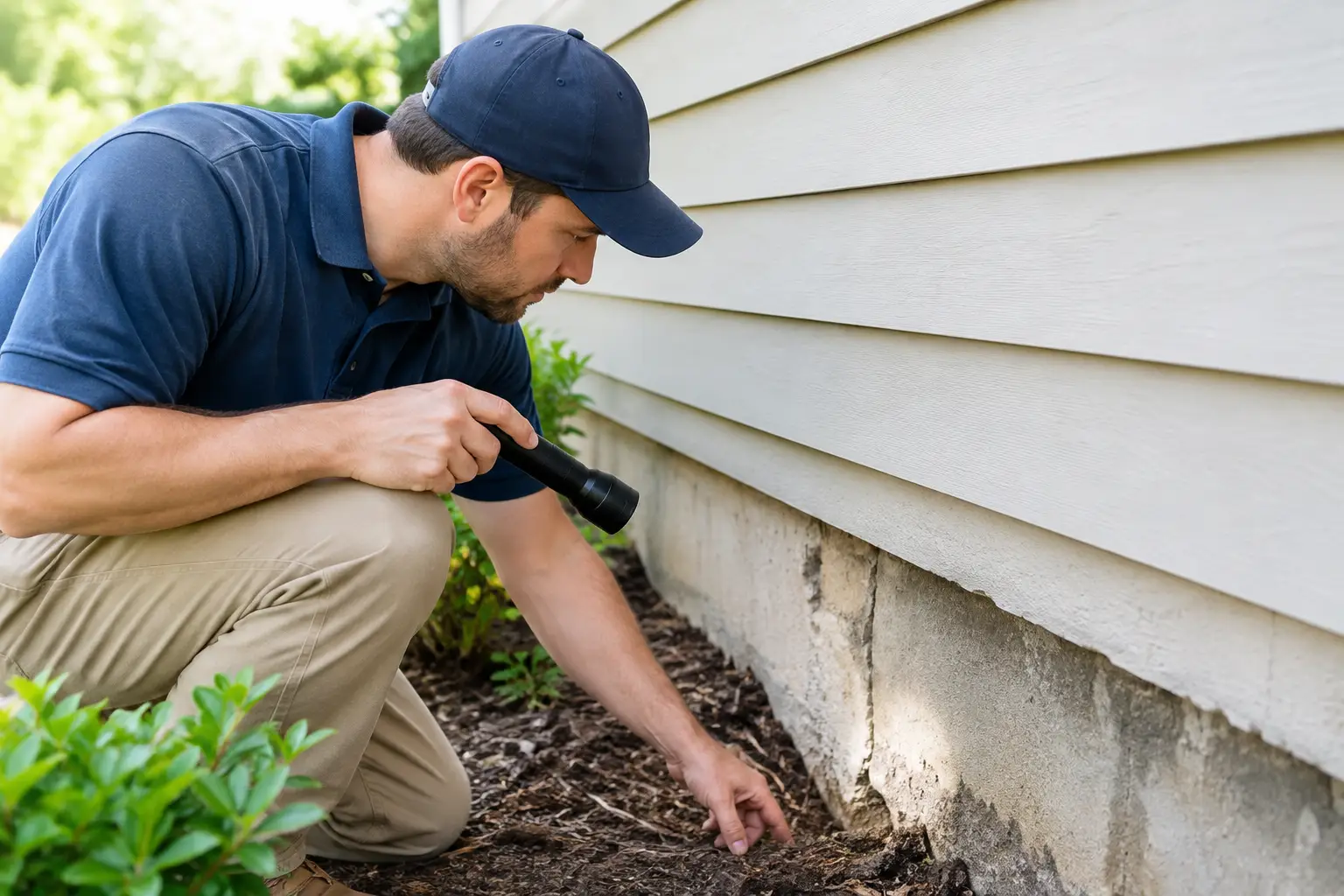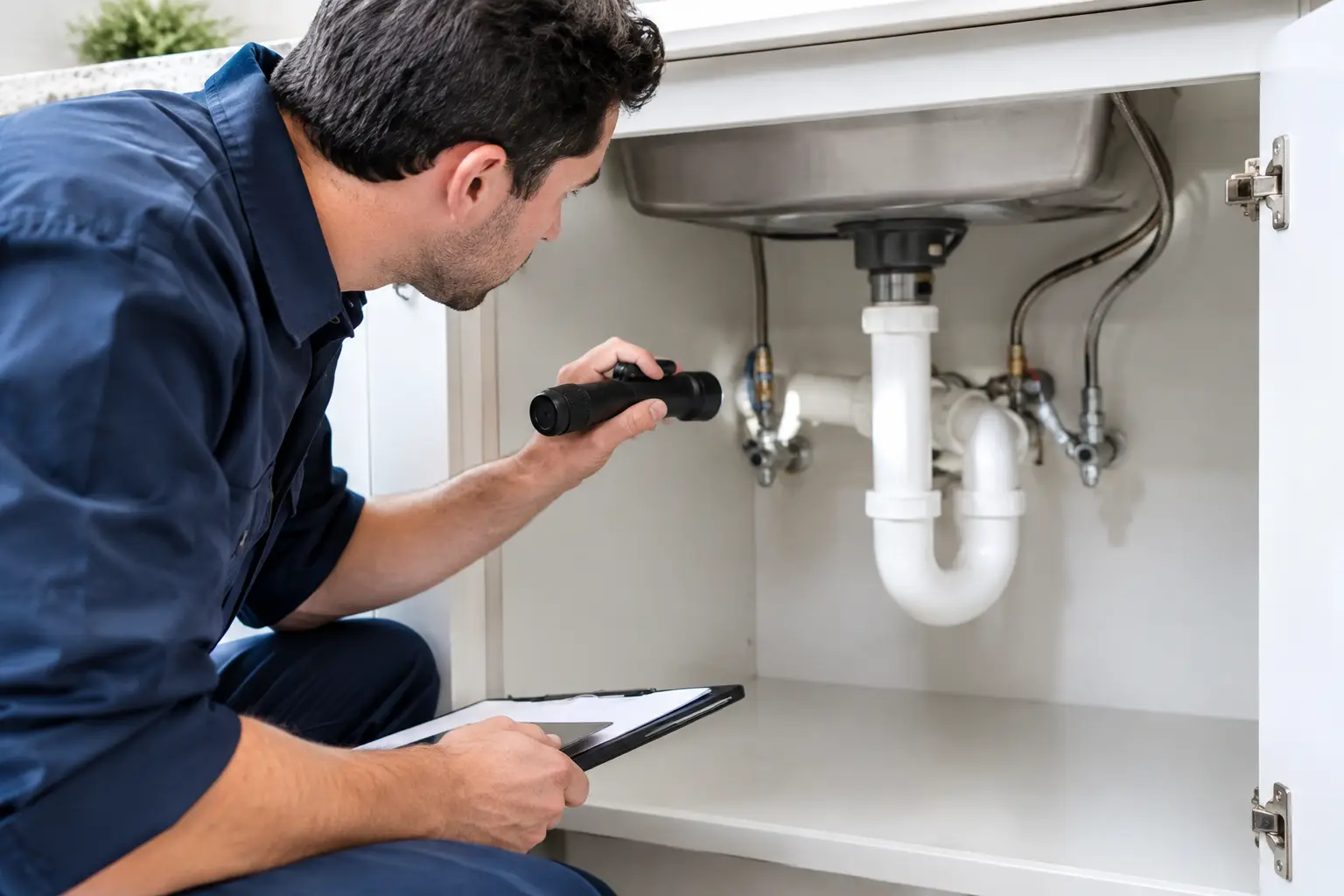
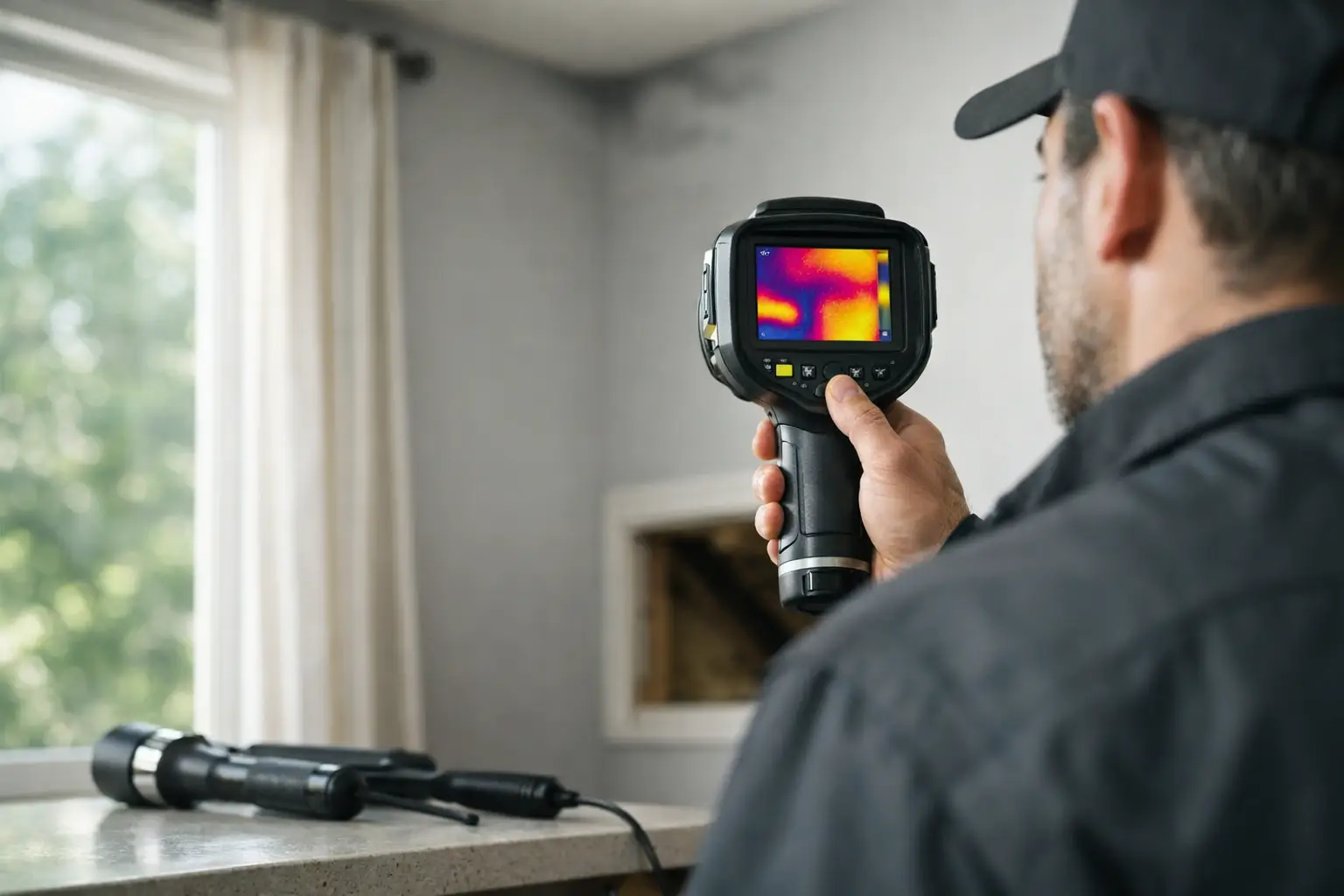
A water stain may not appear until long after a roof leak has started. An overloaded electrical connection may be tucked behind a finished wall. Missing attic insulation can make a room uncomfortable without leaving an obvious visual clue. These are the situations where thermal imaging earns its place in a home inspection. Understanding how thermal imaging finds defects helps buyers see why a home can look well maintained while still having conditions worth investigating before closing.
A thermal camera does not see through walls or diagnose every problem on its own. It detects differences in surface temperature and displays those differences as a color image. Used by a trained inspector alongside a thorough visual inspection, moisture meters, electrical testing, and professional judgment, it can point to hidden concerns that deserve a closer look.
How Thermal Imaging Finds Defects During an Inspection
Every surface in a home gives off infrared energy related to its temperature. A thermal imaging camera translates that energy into a picture of temperature variations. Depending on the camera palette, warmer areas may appear red, orange, or white, while cooler areas may appear blue, purple, or black.
The color itself is not the diagnosis. The pattern, the location, current weather conditions, and the inspector’s follow-up testing matter just as much. For example, a cool area on a ceiling could indicate moisture from a roof or plumbing leak. It could also reflect an air-conditioning duct above the ceiling, a change in insulation, or a recently cooled surface.
That is why thermal imaging is most valuable when it is part of a complete inspection process. A qualified inspector compares questionable areas with surrounding materials, checks accessible components, uses a moisture meter where appropriate, and documents what was observed. The goal is not to make a dramatic claim from a colorful image. It is to give the buyer clear evidence of a condition that may require repair, further evaluation, or monitoring.
Hidden Moisture Is One of the Most Valuable Finds
In Greater Houston and surrounding communities, moisture management matters. Heavy rain, high humidity, roof wear, aging plumbing, and air-conditioning condensate issues can all create conditions that are not immediately visible during a walk-through.
When moisture evaporates, it often cools the material around it. On a thermal image, that cooling can create an irregular temperature pattern on a ceiling, wall, floor, or around a window. An inspector may then use a moisture meter to determine whether elevated moisture is present.
Thermal imaging can help identify concerns such as a possible active roof leak beneath a ceiling, moisture around a shower or tub enclosure, a plumbing leak below a kitchen or bathroom, or condensation associated with an HVAC system. It can also help focus attention on a suspicious area after a seller has repainted or repaired visible staining.
There are limits. A leak that has dried completely may not create a meaningful thermal pattern. A wet area can also be difficult to interpret if indoor and outdoor temperatures are too similar. Still, when conditions are favorable, thermal imaging can reveal a concern early enough for buyers to request additional evaluation before they inherit the repair bill.
Electrical Hot Spots Can Signal a Safety Concern
Electrical components should carry power without creating excessive heat. When a connection is loose, a circuit is overloaded, or a component is failing, resistance can build and produce heat. A thermal camera may detect an unusually warm breaker, conductor, outlet, or electrical panel component during an inspection.
This is especially helpful because electrical issues are often hidden behind a panel cover or within a wall. A warm component does not automatically mean the system is unsafe. Electrical equipment naturally warms while operating, and readings can change based on load at the time of inspection. An air conditioner running, an electric vehicle charging, or several appliances in use can affect what the camera sees.
A trained inspector looks for temperature differences that appear unusual compared with similar components and considers the operating conditions. If a hot spot is found, the report can identify the observed condition and recommend evaluation or repair by a qualified electrician. For a buyer, that is practical information, not unnecessary alarm. Electrical repairs are best addressed before they become safety hazards or closing-day surprises.
Insulation and Air Leaks Show Up as Temperature Patterns
Texas summers put a home’s insulation, windows, doors, and HVAC performance under real pressure. In winter, heating demand can expose many of the same weaknesses. Thermal imaging can help reveal areas where conditioned air may be escaping or where insulation coverage may be inconsistent.
A missing or compressed section of insulation may appear as a noticeably warmer patch on an interior wall or ceiling when the home is being cooled. Around windows and exterior doors, thermal patterns may suggest air leakage, poor sealing, or installation concerns. In some homes, the camera can also reveal the outline of framing members, which may indicate thermal bridging or reduced insulation performance in that area.
These findings do not always mean a major defect. A small air gap around a door may be a straightforward maintenance repair. Larger temperature variations across ceilings, exterior walls, or attic access points may deserve more attention, particularly if they are contributing to comfort problems, high utility costs, or condensation risk.
Thermal imaging is also useful when evaluating HVAC distribution. A room that never seems to cool properly may have a duct issue, insufficient airflow, or insulation concern. The camera cannot measure airflow or confirm a mechanical diagnosis, but it can reveal uneven surface temperatures that help guide further investigation.
What Thermal Imaging Cannot Tell You
Thermal cameras are powerful tools, but buyers should be wary of anyone who presents them as X-ray vision. They do not see through walls. They read surface temperatures, which means a defect must create a temperature difference that reaches the surface to be detected.
A camera cannot confirm mold, identify every hidden leak, determine the age of a problem, or guarantee that no defects exist behind finished surfaces. It also cannot replace a sewer camera inspection, pest inspection, HVAC evaluation, or other specialized service when the situation calls for one.
Weather and operating conditions affect results. Thermal scans are often more revealing when there is a meaningful difference between indoor and outdoor temperatures. Rain, direct sunlight, recently operated appliances, furniture against walls, and inaccessible areas can all limit what can be observed. These are not reasons to skip the technology. They are reasons to rely on an inspector who understands how to use it responsibly.
Why Documentation Matters to Homebuyers
A useful inspection report does more than state that an issue may exist. It shows buyers where the concern was observed, explains why it matters, and provides a practical next step. Thermal images are particularly helpful because they can visually support a finding that may otherwise be difficult to explain to a seller, agent, contractor, or repair specialist.
For example, a report may include a standard photo of a ceiling and a corresponding thermal image showing an unusual cool pattern. Paired with moisture-meter readings and a written description, that documentation gives the buyer a stronger basis for requesting repairs or seeking a specialist’s opinion.
This level of clarity can make negotiations more productive. Rather than arguing about a vague concern, the parties can focus on the documented condition and the appropriate next action. In a competitive real estate transaction, that can help buyers make decisions with facts instead of assumptions.
Thermal Imaging Works Best Before You Buy
A pre-purchase inspection is one of the few opportunities buyers have to learn about a property’s visible and accessible condition before the transaction is final. Thermal imaging adds another layer of insight by helping identify temperature anomalies that might otherwise go unnoticed.
At CK Inspections, thermal imaging is used as part of a thorough, buyer-focused inspection approach. The purpose is simple: help you avoid costly surprises and understand where further evaluation may be needed. Not every temperature variation is a defect, but every meaningful finding deserves clear explanation and careful follow-up.
Before you commit to a home, ask for an inspection that looks beyond fresh paint and surface appearances. A well-documented thermal scan cannot predict every future repair, but it can help turn hidden questions into informed decisions while you still have options.