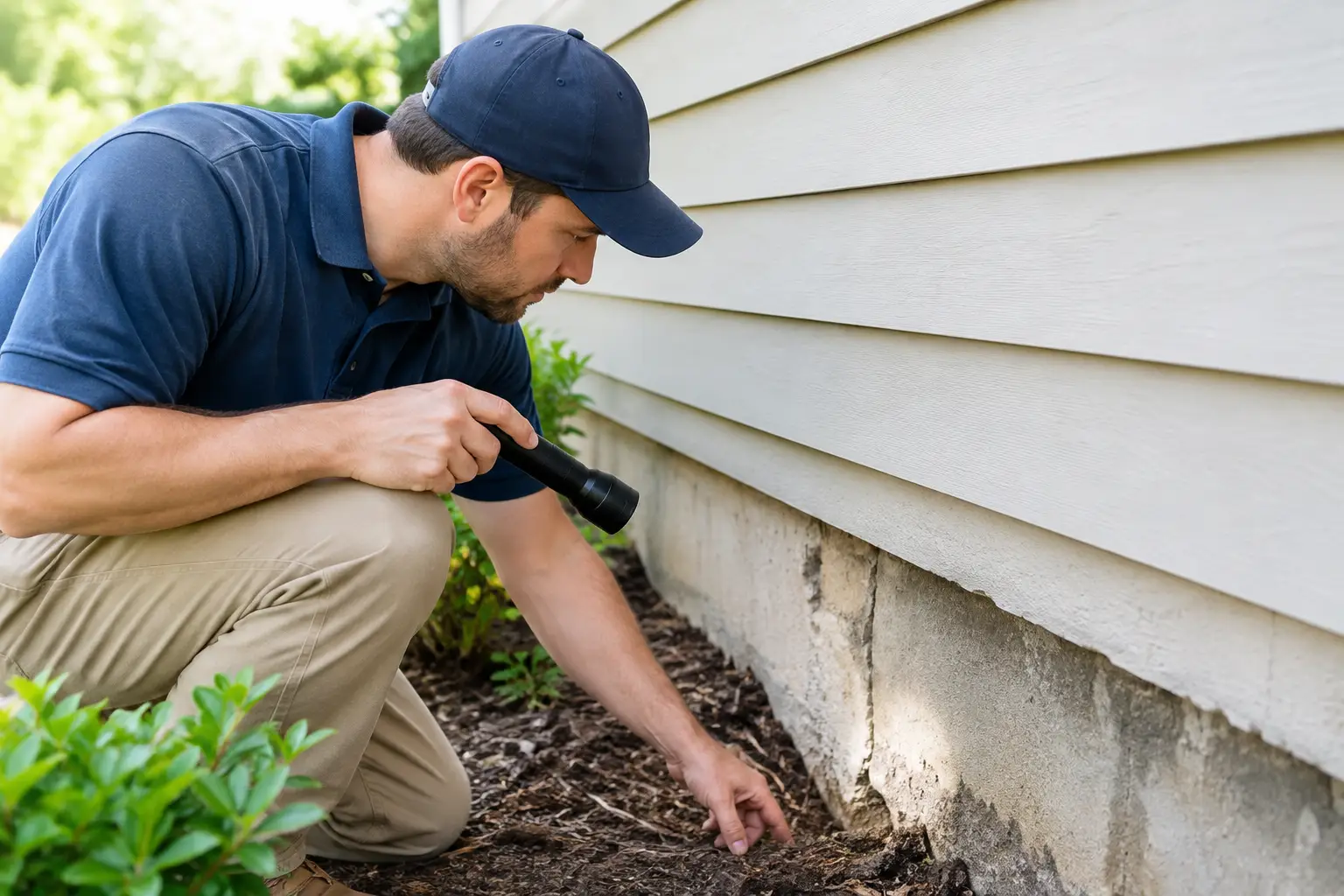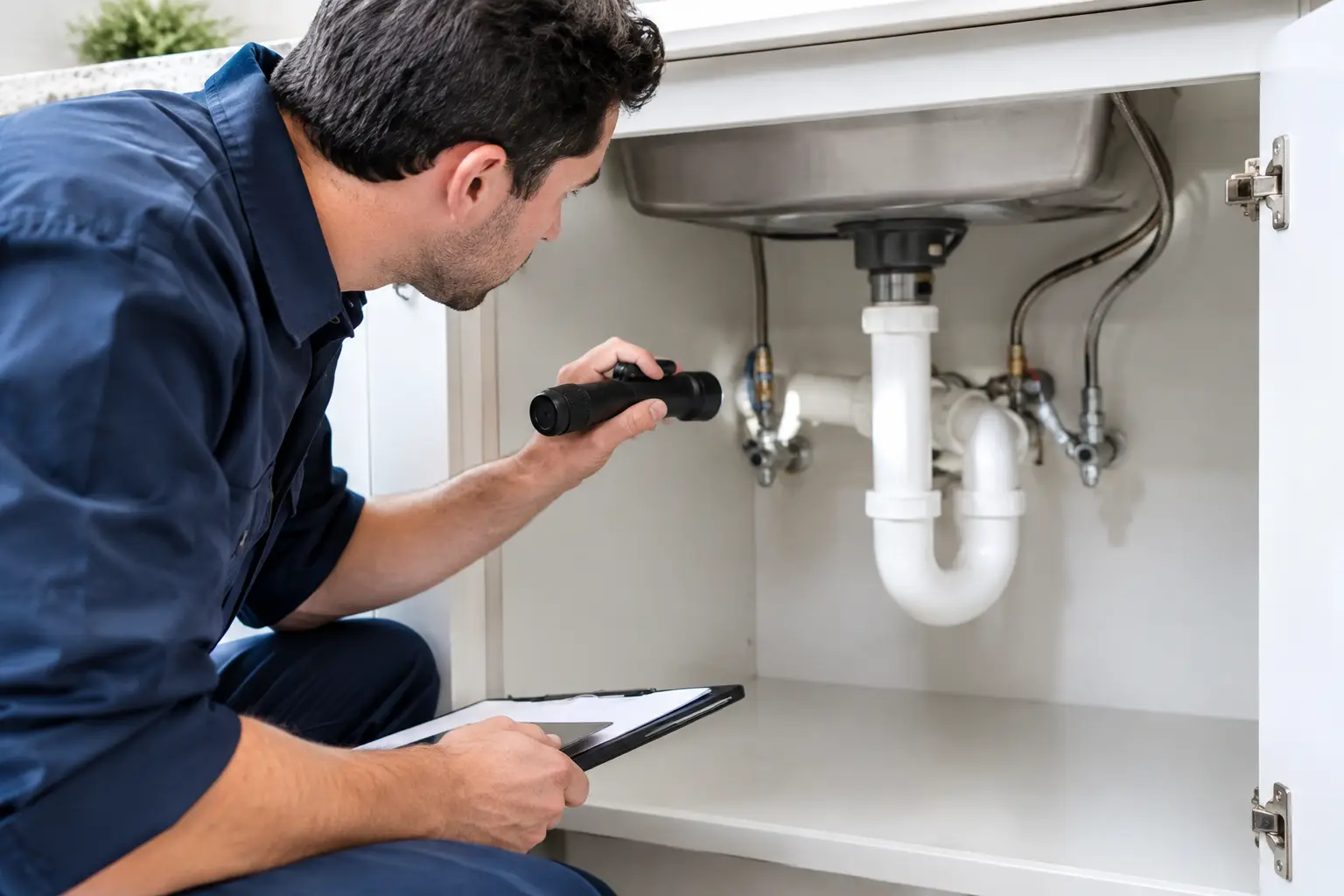
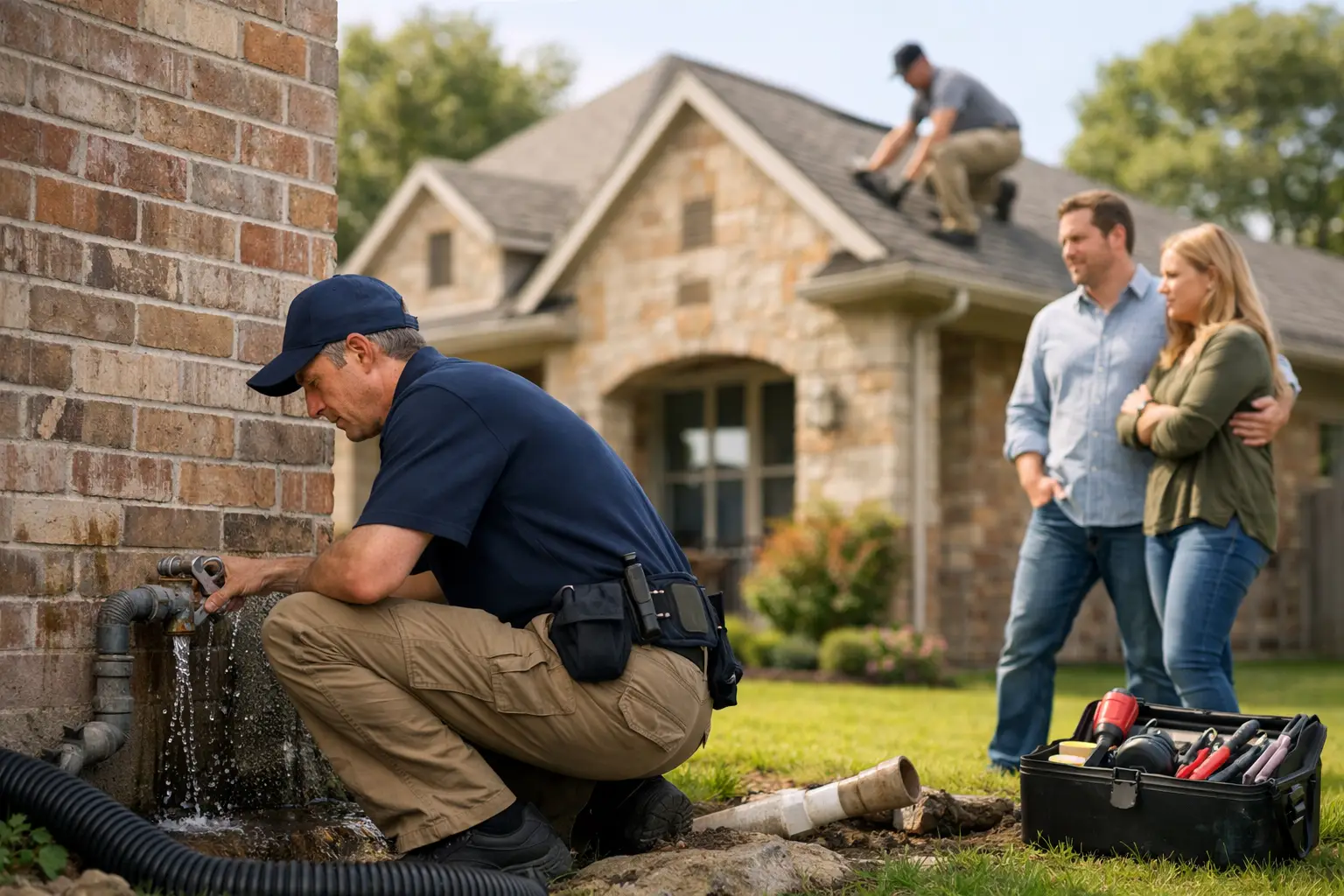
A home inspection can uncover a leaking water heater, an aging roof, an unsafe electrical panel, or a drainage concern that was not obvious during a showing. Naturally, buyers ask: who pays inspection repairs? In most Texas transactions, the short answer is that the seller is not automatically required to pay. Repairs are a point of negotiation, and the outcome depends on the contract, the inspection findings, the market, and how much each party wants to move forward.
That does not mean buyers should accept serious defects without discussion. A thorough inspection gives you the information needed to make a clear, protected decision before closing. It helps separate minor maintenance from issues that could create expensive surprises after you own the home.
Who Pays Inspection Repairs? Start With the Contract
In a typical Texas home purchase, the buyer pays for the home inspection. The inspection is part of the buyer’s due diligence during the option period, when the buyer has time to evaluate the property’s condition and decide whether to proceed.
The seller generally owns the home until closing, but that does not create an automatic obligation to correct every issue an inspector reports. Most resale homes are sold in their current condition, subject to whatever repair agreement the buyer and seller reach after inspection.
This is an important distinction: an inspection report identifies conditions observed at the home. It does not order the seller to make repairs, estimate a final repair price, or determine who is legally responsible. The purchase contract and subsequent negotiations control the agreement.
If the buyer and seller cannot agree on a reasonable path forward, the buyer may be able to terminate during the option period under the terms of the contract. For many buyers, that right is just as valuable as a repair concession. It prevents them from being pressured into purchasing a home with problems they did not expect to take on.
What Sellers Are Most Likely to Address
A seller is more likely to consider repairs involving safety, major systems, or conditions that could affect another buyer, an appraisal, insurance approval, or financing. A failed HVAC system, active plumbing leak, roof damage, exposed electrical hazards, or significant foundation movement will usually carry more weight than a loose cabinet handle or worn weatherstripping.
Sellers may also be motivated to address issues that are difficult to ignore once documented. If the first buyer walks away because of a major defect, the seller may face the same concern with the next buyer. In some cases, making a practical repair can protect the sale timeline and reduce the chance of repeated negotiations.
That said, circumstances matter. A seller who priced the home below comparable properties because it needs updating may be less willing to offer concessions. A seller receiving multiple strong offers may have more leverage. In a slower market, a buyer with well-supported requests may have more room to negotiate.
Major defects versus normal home maintenance
No home is perfect, especially in the Greater Houston area, where heat, humidity, heavy rain, expansive soils, and seasonal storms can place real demands on roofs, drainage, HVAC equipment, and exterior materials. Inspection reports commonly include maintenance recommendations, aging components, and items that need monitoring. Those findings are useful, but they do not always justify a repair request.
A productive repair discussion usually focuses on conditions that are material, active, unsafe, or likely to cause significant expense soon. Examples may include a nonfunctioning air-conditioning system, a leaking drain line, electrical conditions with shock or fire risk, roof defects allowing water intrusion, or structural concerns requiring further evaluation.
Cosmetic wear, outdated finishes, minor cracks, and components near the end of their expected service life can still affect your decision. However, they are often better handled through purchase-price expectations and your future home improvement budget rather than a request for the seller to make every item new.
Buyers Have More Than One Negotiating Option
When significant concerns appear in the inspection report, buyers do not have to choose only between demanding repairs and walking away. Depending on the situation, the parties may agree on a repair, a seller credit, a price reduction, or no change at all.
A seller-paid repair can be appropriate when the issue is specific and the scope is clear. For example, replacing a damaged section of exterior siding or having a licensed electrician correct a defined safety concern may be straightforward. Buyers should be cautious about broad requests such as “repair all inspection items.” Those requests can create confusion, invite rushed work, and make it harder to confirm what was actually resolved.
A closing-cost credit can give the buyer more control over the work after closing. This can be useful when the buyer wants to select the contractor, supervise the repair, or make upgrades beyond the minimum correction. Credits may be limited by loan guidelines, so your lender should confirm what is allowed before you rely on this approach.
A price reduction can also make sense, especially when the concern is not urgent or when the buyer plans to complete a larger renovation after moving in. But a lower price does not put cash in your hand at closing. If you need immediate funds to address a safety issue or failing system, a credit may be more helpful than a reduced sales price.
How to Make a Repair Request That Has a Better Chance of Success
The strongest repair requests are focused, documented, and realistic. Start by reviewing the report carefully with your real estate agent. A quality report should make clear what was observed, why it matters, and whether further evaluation by a qualified specialist is recommended.
Avoid treating the inspection as a punch list for a seller to modernize the house. Instead, prioritize the findings that affect safety, function, durability, or substantial cost. Ask questions such as: Is this condition active? Could it become worse quickly? Does it affect my ability to insure, finance, or safely occupy the home? Will a specialist need to determine the full scope before anyone can quote a repair?
When appropriate, request that repairs be completed by properly qualified and licensed professionals. Also ask for paid invoices, warranties, permits when applicable, and other documentation before closing. If the agreement calls for a repair, do not assume the issue has been handled correctly just because someone says the work is complete.
Consider a final walk-through carefully
The final walk-through is your opportunity to confirm the home’s agreed condition shortly before closing. It is not a second inspection, but it is an important safeguard. Bring the repair agreement and supporting documents with you. Check that the requested work appears complete, that no new damage occurred during move-out, and that included fixtures and systems remain at the property.
If you see a concern, notify your agent promptly. Do not wait until after closing, when leverage and options can change dramatically.
Why Buyers Should Not Skip the Inspection
Some buyers worry that an inspection could complicate a deal. The greater risk is buying blind. A home can look clean, staged, and move-in ready while still having concerns involving the roof, structure, electrical system, plumbing, HVAC equipment, or drainage.
The purpose of the inspection is not to make every older home look like new construction. It is to give you a practical picture of the home’s condition so you can decide what you are willing to accept, what you want to negotiate, and what future costs you need to plan for.
For first-time buyers especially, this clarity can prevent a costly mistake. A repair that seems manageable on paper can become much more expensive when it involves water damage, code-related upgrades, limited access, or multiple systems affected by the same underlying issue. Identifying those risks before closing gives you choices that disappear once the keys are in your hand.
Keep the Decision Centered on Your Protection
The answer to who pays inspection repairs is rarely a simple buyer-or-seller rule. The seller may pay for certain repairs, offer a credit, reduce the price, or decline to make changes. The buyer may accept the home as it is, renegotiate, or exercise contract rights to move on.
What matters most is that your decision is based on reliable information, not assumptions. Before you commit to a major purchase, use the inspection findings to understand the true condition of the home, set realistic expectations, and protect your investment from avoidable surprises.