You have the contract signed, the option period is moving fast, and one question suddenly feels a lot more urgent than it did yesterday: how long does inspection take? For most homes, a standard residential inspection takes about 2 to 4 hours on site. But that simple answer only gets you so far. The real timeline depends on the size of the home, its age, condition, accessibility, and whether you add services like sewer scope, pool and spa inspection, or wood-destroying insect inspection.
If you are buying a home in Houston, Cypress, Katy, or a nearby Texas community, knowing what affects the schedule can help you plan better, avoid unnecessary stress, and keep your transaction moving without cutting corners. A good inspection should be efficient, but it should also be thorough enough to protect you from costly surprises.
How long does inspection take in real life?
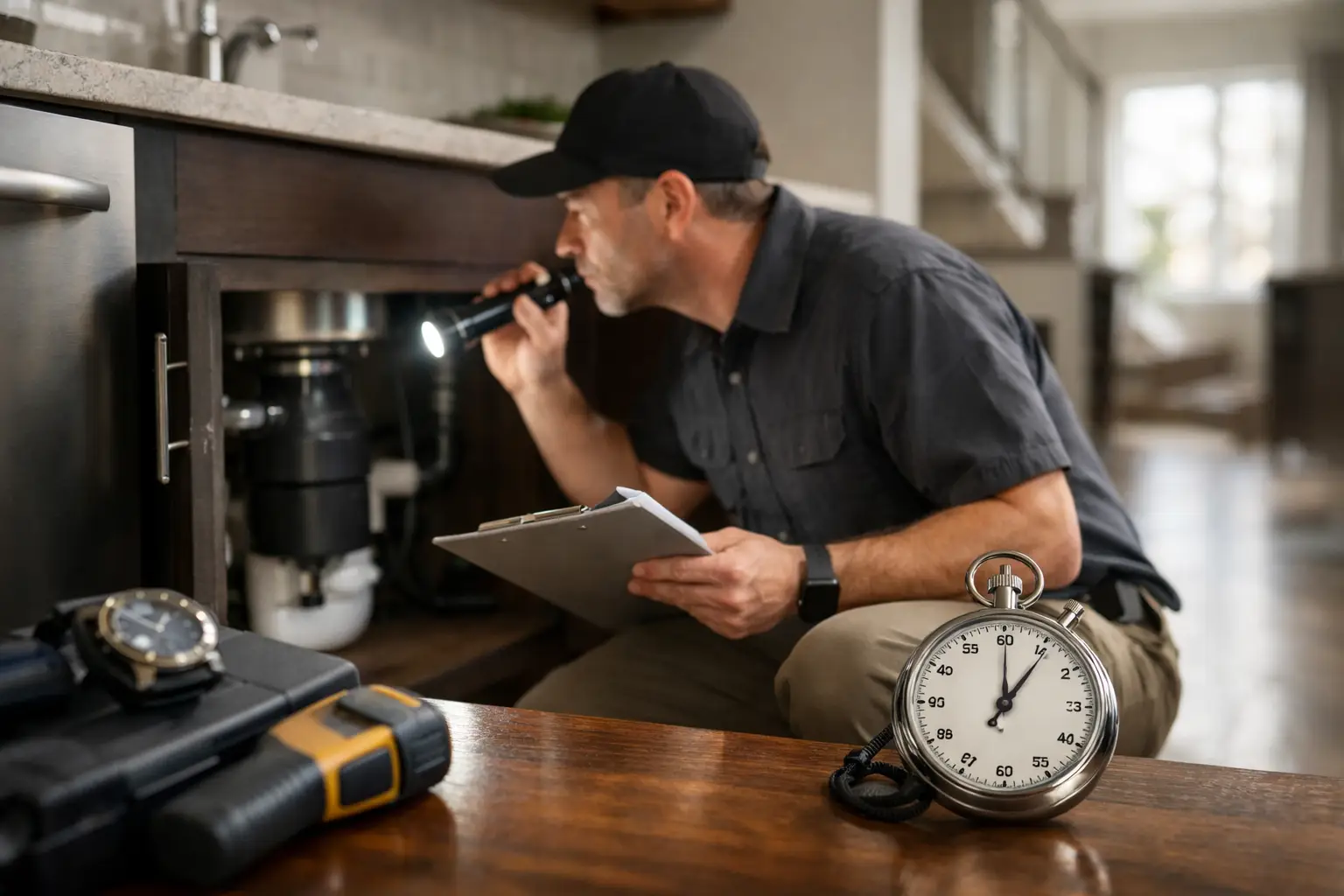
For a typical single-family home, most buyers can expect the inspection appointment itself to last between 2 and 4 hours. Smaller homes in newer condition may land closer to the shorter end of that range. Larger homes, older properties, or houses with multiple systems and added features often take longer.
That timing usually refers to the inspector’s on-site work. It does not always include the full process from scheduling to receiving the completed report. In many cases, the written report is delivered later the same day or within 24 hours, depending on the company and the scope of the inspection.
For buyers, this distinction matters. The inspection is not finished the moment the inspector packs up their tools. The report, photos, organized findings, and recommendations are what help you make repair requests, negotiate, or decide whether to move forward.
What affects how long a home inspection takes?
Square footage is one of the biggest factors. A 1,400-square-foot home generally takes less time to inspect than a 4,000-square-foot home with multiple HVAC systems, a complex roofline, and a detached garage. More home means more components to evaluate.
The age of the property also changes the pace. Newer homes may still have defects, but older homes often have a longer history of repairs, updates, wear, and deferred maintenance. That means more areas to review carefully and more details to document.
Condition matters too. A well-maintained house can be more straightforward to inspect than a property with visible foundation movement, outdated electrical components, plumbing concerns, or signs of roof damage. When issues appear, the inspector needs time to verify what they are seeing, test related systems when appropriate, and document the findings clearly.
Accessibility can slow things down as well. If the attic is difficult to enter, the crawlspace is tight, the electrical panel is blocked, or stored belongings limit access to key components, the inspection may take longer. In some cases, inaccessible areas may also limit what can be inspected at all.
Then there are add-on services. A thermal imaging scan, sewer line camera inspection, pool and spa inspection, or wood-destroying insect inspection all add value, but they also add time. That extra time is usually well spent when it helps uncover hidden problems before closing.
What happens during those 2 to 4 hours?
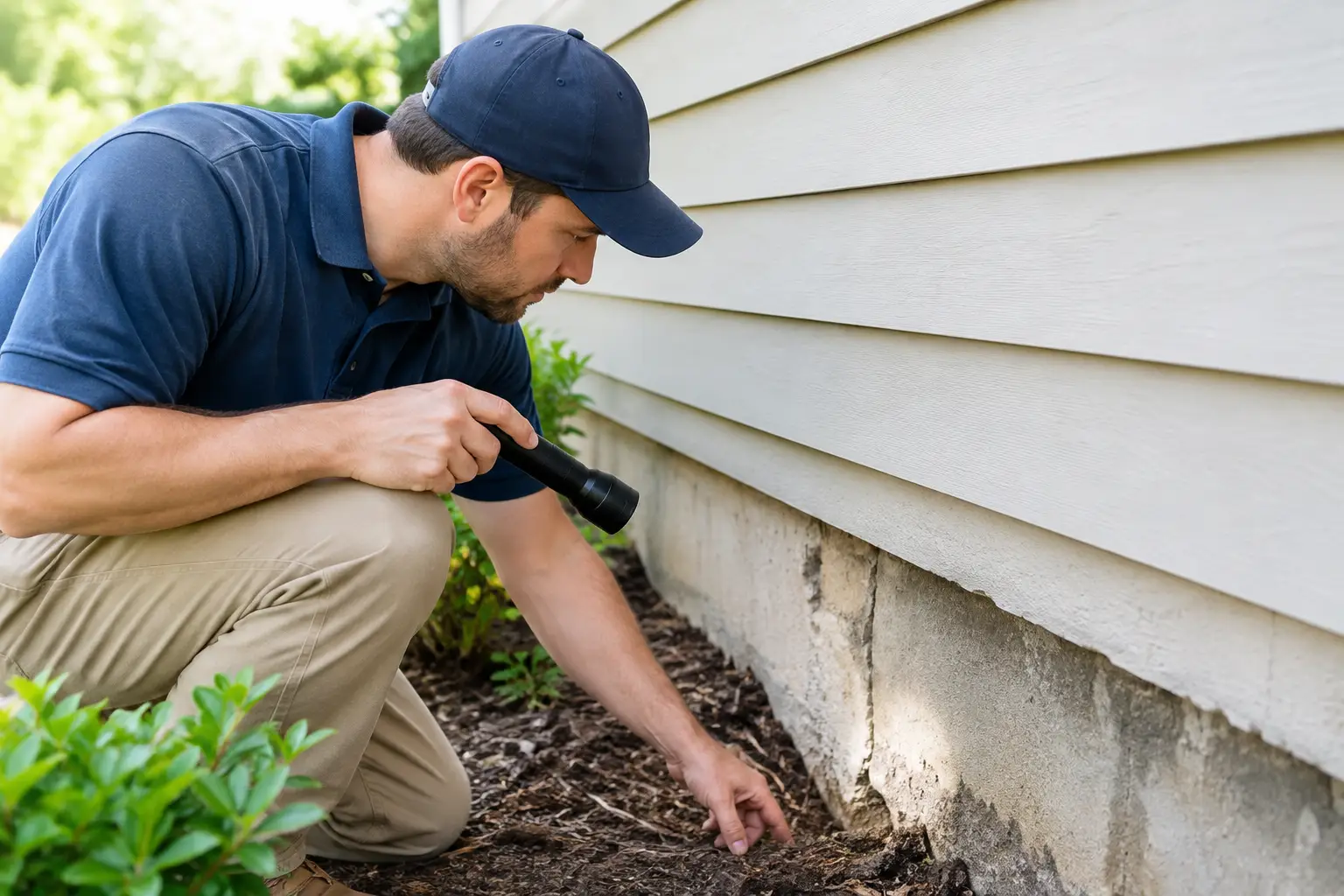
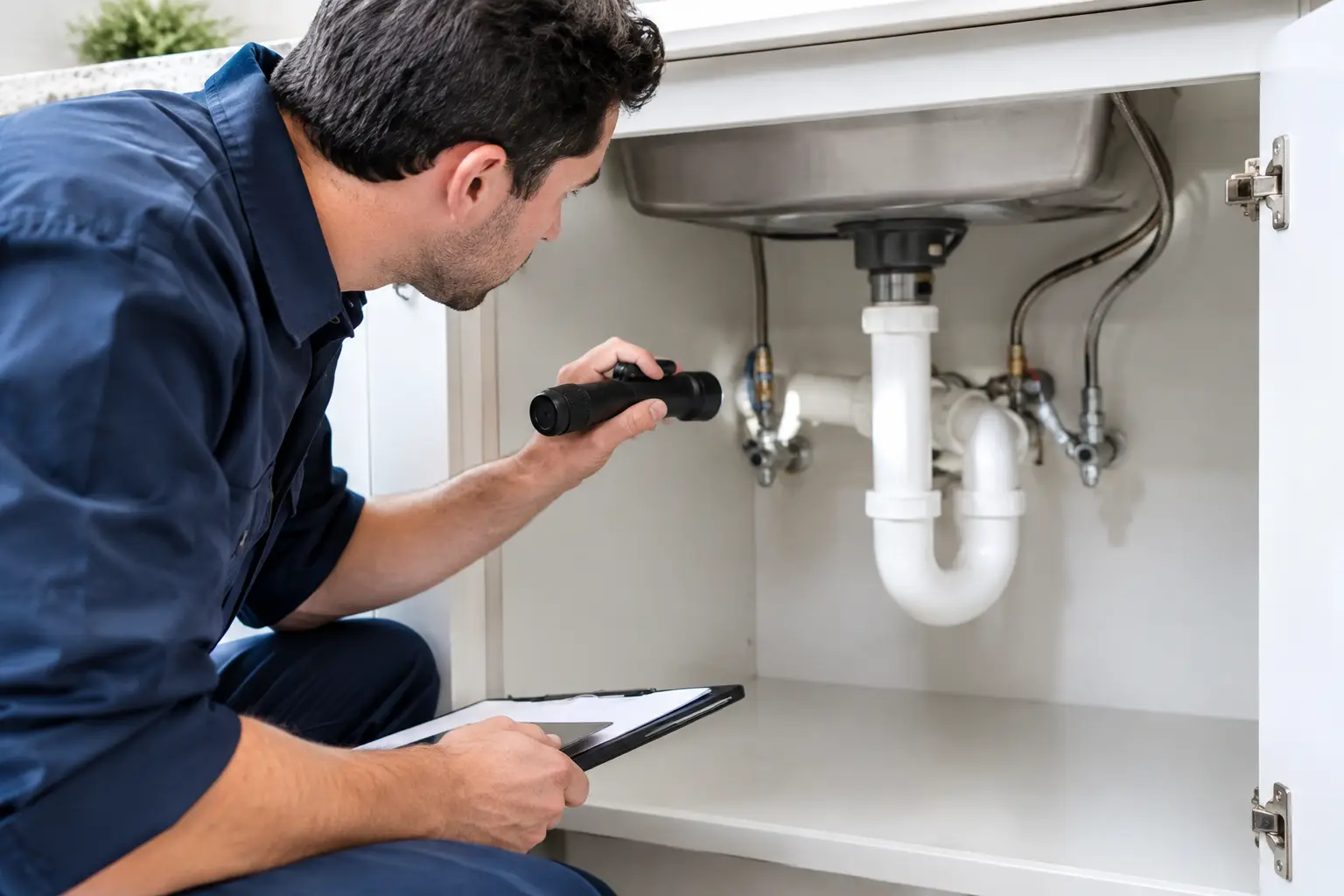
A quality inspection is more than a quick walkthrough. The inspector is evaluating the home’s major systems and components, including the structure, roof, electrical, plumbing, HVAC, interior, exterior, insulation, and ventilation. Appliances and visible operational elements may also be tested, depending on the inspection scope.
That process involves much more than spotting obvious defects. Inspectors are checking for signs of active leaks, improper installation, safety concerns, aging materials, moisture intrusion, drainage issues, and performance problems that may not stand out to an untrained buyer.
They are also taking photos, making notes, and organizing information for the final report. That documentation matters because buyers need more than verbal comments. You need findings that are clear, usable, and easy to reference when you are making decisions under a deadline.
Should buyers attend the inspection?
In most cases, yes, at least for part of it. You do not need to follow the inspector step by step for the entire appointment, and in many cases that can actually slow the process down. But being there toward the end is often helpful.
This gives the inspector time to work efficiently first, then walk you through major findings, maintenance concerns, and items that may need further evaluation or repair. Seeing issues in person can make the report easier to understand later.
For first-time buyers especially, this can be one of the most valuable parts of the process. It turns the inspection from a document you receive into a practical education about the home you may be about to buy.
How long does inspection take for older or larger homes?
Once you get into older homes or larger floor plans, the timeline often stretches beyond the standard estimate. A large home with multiple stories, several electrical subpanels, more than one air conditioning system, or extensive exterior features can take 4 hours or more.
Older homes also tend to come with more layered issues. You may have a mix of original materials, partial updates, patched repairs, and systems that have been modified over time. None of that automatically means the home is a bad purchase. It just means the inspector needs time to sort through what is present, what is functioning, and what may need attention soon.
That is why speed should never be the only goal. A rushed inspection may miss the very issues you hired the inspector to help uncover.
What can make an inspection take less time?
A vacant home with utilities on, easy access to key systems, a simple layout, and no added services is usually the most efficient scenario. Clear access to the attic, garage, electrical panel, water heater, HVAC equipment, and crawlspace helps the inspector move through the property without delays.
Newer homes can also move faster, though newer does not mean problem-free. Even recently built homes can have installation defects, drainage concerns, missing safety items, or incomplete work.
If the seller has the home ready and accessible, that helps. If the property is cluttered, systems are shut off, or access points are blocked, expect the process to take longer or leave unanswered questions.
Does the report take extra time after the inspection?
Yes, and it should. The on-site portion is only part of the job. After the fieldwork is complete, the inspector still needs to review notes, organize photos, write descriptions, and build a report that makes sense to the buyer.
A strong report should not feel vague or overwhelming. It should clearly identify what was observed, why it matters, and where concerns may affect safety, function, or future cost. This is where a detailed, visual, well-organized report becomes a real advantage.
Many inspection companies deliver reports the same day, while others may take up to 24 hours depending on timing and scope. If you are on a tight option period, ask about turnaround time when scheduling. Fast is helpful, but clear and complete is better.
Why inspection timing matters in a real estate transaction
Inspection timing is not just about fitting an appointment into your calendar. It affects negotiations, repair requests, specialist follow-up, and your decision-making window. If the inspection reveals concerns with the roof, foundation, plumbing, or HVAC, you may need additional quotes or evaluations before your option period expires.
That is why it helps to schedule early. Waiting until the last minute can create pressure if the report uncovers serious issues. Giving yourself room to respond is one of the smartest ways to protect your investment.
For agents, timing matters for the same reason. A dependable inspection schedule and prompt reporting help keep the transaction organized and reduce friction for everyone involved.
A better question than how long does inspection take
The better question is often whether the inspection is thorough enough to help you make a confident decision. Two inspectors may spend very different amounts of time at the same house, and the shorter appointment is not necessarily the better one.
What you want is a balanced process: efficient, detailed, clearly documented, and focused on the issues that matter. That is where experience, communication, and reporting quality all come into play. A home inspection is one of the few chances you get to look past the surface before you buy. It should be treated that way.
At CK Inspections, that means giving buyers the information they need to avoid costly surprises and move forward with more confidence.
If you are planning your inspection window, expect most home inspections to take a few hours, and expect the right inspector to use that time carefully. A little time upfront can save you from a much bigger problem after closing.