A backyard pool can feel like a major bonus when you are buying a home in Houston, Cypress, Katy, or nearby Texas communities. It can also become a major expense fast if hidden problems are missed. That is why buyers often ask, what does a pool inspection include, and more importantly, what kinds of issues can it uncover before you close?
A pool inspection is designed to give you a clearer picture of the pool or spa’s visible condition, operation, and safety. It helps you avoid stepping into a home purchase without understanding whether the pool is in serviceable shape or heading toward repairs that can cost thousands. For many buyers, that information can influence negotiations, repair requests, and the overall decision to move forward.
What does a pool inspection include during a home purchase?
In a real estate transaction, a pool inspection typically focuses on the components that can be visually inspected and operated at the time of the appointment. The goal is not to predict every future failure. The goal is to identify visible defects, performance concerns, safety issues, and signs that the system may need repair, service, or further evaluation.
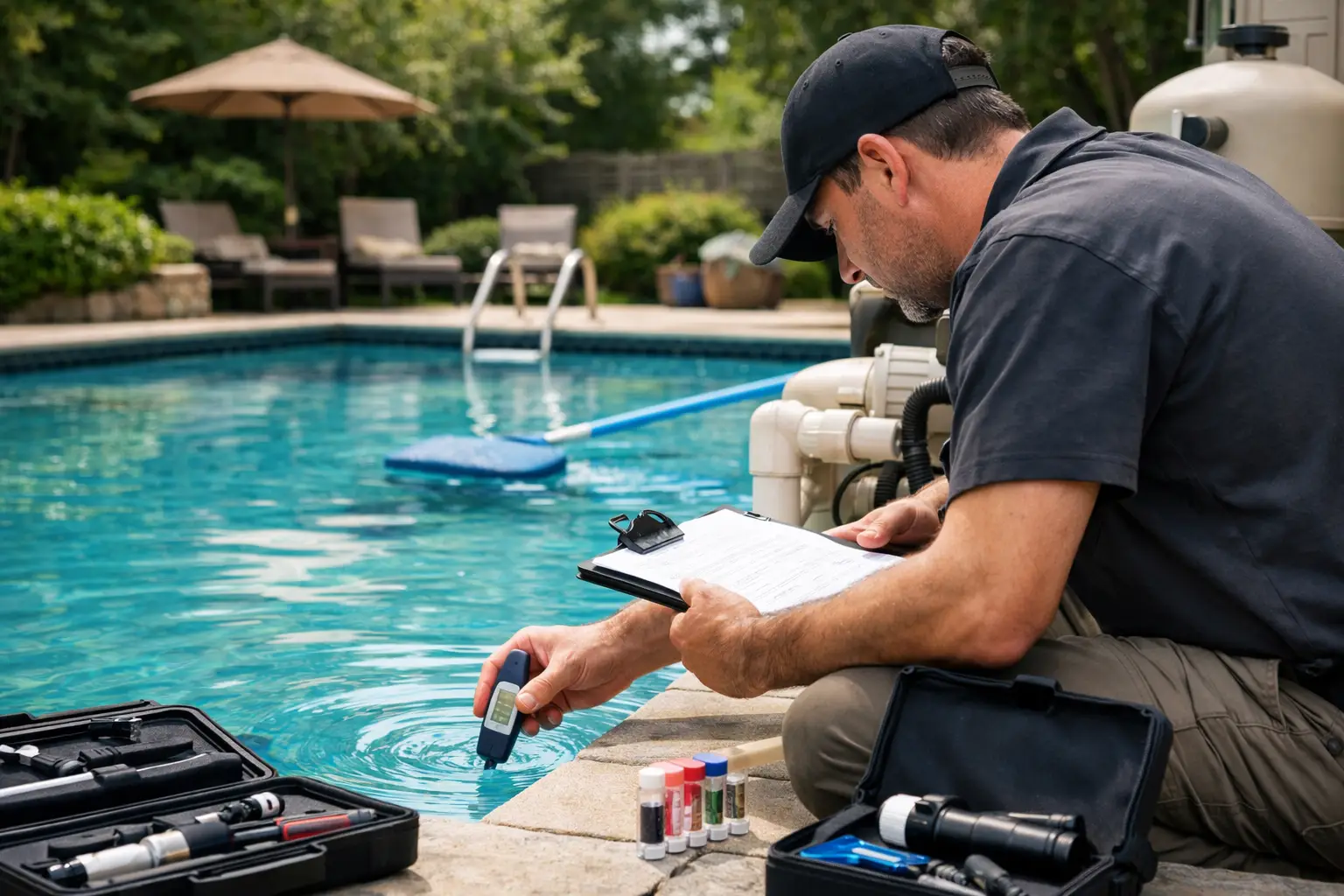
That usually includes the pool’s structure, interior finish, tile and coping, deck condition around the pool, visible plumbing components, pumps, filters, heaters if present, timers, automation features, drains, skimmers, returns, and accessible electrical and bonding-related observations. If there is a spa, water features, or attached equipment, those areas are generally reviewed as well.
The exact scope can vary depending on the property, the equipment installed, and whether the pool is accessible and operational on inspection day. If the water is too cloudy to see the bottom, if equipment is shut down, or if parts are blocked by storage or landscaping, that limits what can be fully evaluated. A good inspection report should clearly explain those limitations so you are not left guessing.
Structural and surface conditions
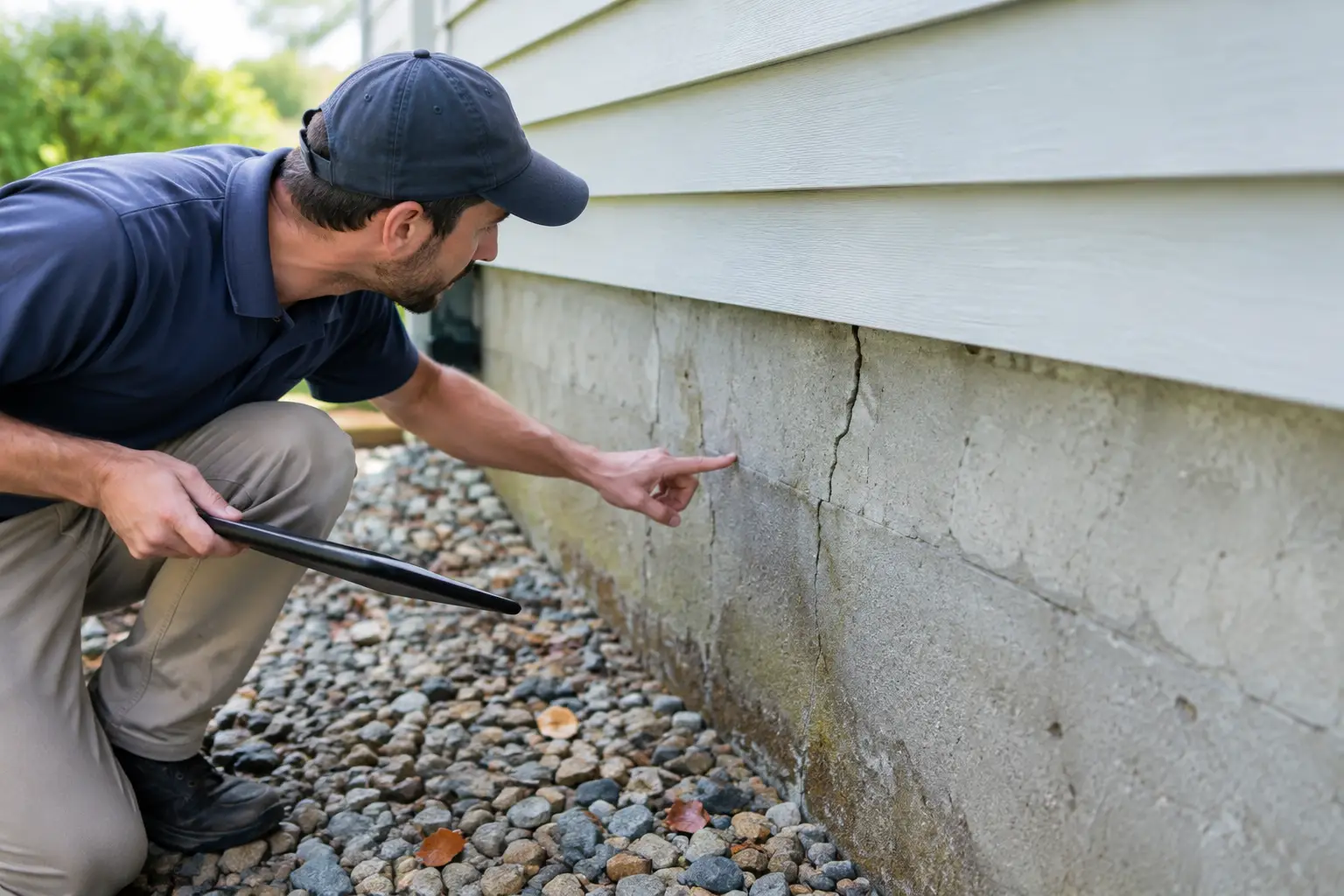
One of the first things an inspector looks for is the overall condition of the pool shell and visible surfaces. Cracks, movement, settlement, deteriorated plaster, damaged tile, and separated coping can all point to wear or larger structural concerns. Not every crack means the pool is failing, but it does deserve attention because repairs can range from cosmetic patching to major restoration.
The surrounding deck matters too. Uneven decking, trip hazards, separated joints, and drainage concerns around the pool area can affect both safety and long-term performance. In Texas, shifting soils and heat can take a toll on exterior surfaces, so small signs of movement should not be brushed off.
Inspectors also pay attention to waterline tile and visible staining. Sometimes staining is mostly cosmetic. Other times it may suggest poor maintenance, water chemistry issues, leaks, or aging finishes that are nearing replacement.
Equipment operation and performance
If buyers only look at whether the pool has water in it, they miss one of the most expensive parts of ownership. The equipment pad is where many costly issues show up.
A pool inspection usually includes operating the pump and observing how the system responds. The inspector may look for unusual noise, leaks at connections, signs of overheating, vibration, poor pressure, or evidence that equipment has been patched together rather than properly maintained. Filters are reviewed for visible condition and installation concerns, and heaters are checked for basic function when conditions allow.
Automation systems, timers, actuators, and controls are also important. If a property advertises a heated pool, spa mode, cleaning system, or water features, buyers should know whether those functions actually respond. A pool that looks attractive in listing photos may have equipment that is outdated, inoperative, or near the end of its service life.
This is where a practical inspection helps protect your budget. A pool pump, heater, filter housing, control panel, or automation upgrade can add up quickly. Even if the pool is technically working, an inspector may still note aging components or deferred maintenance that could become your responsibility soon after move-in.
Plumbing, circulation, and visible leak indicators
Pool plumbing is mostly hidden, which means no visual inspection can confirm the condition of every underground line. Still, there is quite a bit an inspector can assess.
Visible plumbing at the equipment area is checked for leaks, corrosion, poor repairs, missing supports, and operational concerns. The inspector will also observe circulation through returns, skimmer function, and whether the system appears to be moving water properly. Low flow, air in the pump basket, or constant loss of prime can suggest plumbing problems, suction issues, or leaks.
Water loss is one of those areas where it depends. Some evaporation is normal in Texas heat. But if there are signs of active leakage, unusual moisture around equipment, eroded soil, or the seller reports frequent filling, that deserves a closer look. A standard pool inspection may identify warning signs, but leak detection testing is often a separate specialty service.
Electrical and safety observations
Pool safety is not just about whether there is a fence. Electrical issues around pools can be serious, and this is one of the most valuable parts of the inspection process.
An inspector may review accessible electrical components related to the pool equipment, including disconnects, GFCI protection where applicable, visible wiring concerns, and bonding-related observations that are visible at the time of inspection. Missing covers, exposed wiring, improper connections, and outdated or unsafe installations can raise both repair and safety concerns.
Safety barriers are another key part of what does a pool inspection include. Gates, fencing, latches, and other protective features may be reviewed for obvious deficiencies. Requirements can vary by local standards and property configuration, so the inspection is often focused on visible safety concerns rather than a full code certification. Still, if a gate does not self-close or latch properly, that is something a buyer should know immediately.
Drains, anti-entrapment covers, handrails, ladders, and slip hazards around the pool area may also be evaluated. These features matter for everyday use, especially for families with children or guests who are unfamiliar with the property.
Spa features and added components
If the home has a spa, attached hot tub, waterfall, slide, cleaning system, or other water feature, those items may be included as part of the inspection when accessible and operational. A spa can share equipment with the pool or have its own dedicated systems, and either setup can come with added maintenance and repair considerations.
Inspectors typically look at whether these features activate, whether valves shift correctly, and whether the equipment appears to support the intended operation. A decorative feature that does not work may not be a deal-breaker, but it is still part of the property’s condition and value.
What a pool inspection usually does not include
This part matters because buyers sometimes expect a pool inspection to answer every possible question. It will not.
A standard inspection is generally non-invasive and limited to what is visible and safely accessible on the day of service. It does not usually include pressure testing underground plumbing, laboratory water analysis, code certification, engineering analysis, or guaranteed leak detection. It also does not predict exactly how long a pump, heater, plaster finish, or light fixture will last.
That does not make the inspection less useful. It simply means the report should be treated as a strong decision-making tool, not a warranty. If visible signs point to a bigger problem, the next step may be a specialized pool contractor or leak detection company for further evaluation.
Why this matters for Texas homebuyers
Pools are common across the Greater Houston area, and so are the repair bills that come from buying one without enough information. Surface refinishing, equipment replacement, drainage corrections, safety upgrades, and leak repairs can quickly turn a backyard feature into a financial headache.
That is why a pool inspection should be viewed the same way as the rest of your home inspection. It is there to help you avoid costly surprises, ask better questions, and move into the transaction with your eyes open. For first-time buyers especially, the issue is not just whether the pool looks clean. It is whether the system behind it is functioning safely and whether the condition matches the seller’s presentation.
A detailed inspection report with clear photos and organized findings gives you something practical to work from. It can support repair negotiations, help you budget for maintenance, and give you more confidence about whether the property still makes sense for you.
If you are buying a home with a pool, do not assume that a quick glance from the patio tells the full story. A well-run inspection, like the kind CK Inspections provides, helps you make a smarter decision before the home and its hidden costs become your responsibility. Peace of mind starts with knowing what you are really buying.