
The report hits your inbox, and suddenly the house you loved has 40 pages of notes, photos, and defect callouts. That moment can feel bigger than it should. If you are wondering how to read a home inspection report without getting overwhelmed, the key is simple: do not treat every comment as a deal-breaker, and do not ignore the items that affect safety, structure, or major systems.
A good inspection report is not a pass-or-fail grade. It is a working document that helps you understand the home’s current condition on the day of the inspection. It shows where the biggest risks are, what may need attention soon, and which issues are common wear and tear versus true concerns that can cost you money after closing.
Start with the big picture, not the fine print
Most buyers make the same mistake first. They jump straight into every photo and every note, then come away thinking the house is falling apart. In reality, even solid homes usually have a long list of findings. Inspectors are paid to be thorough. A detailed report is a sign that someone looked carefully, not proof that the property is a bad investment.
Start by looking for the report summary, if one is included. This section usually pulls out the more significant findings from the full report. Read it slowly and ask yourself three practical questions: What affects safety? What affects major systems? What could be expensive soon?
That approach helps you separate a loose door stop from a failing roof covering. Both may appear in the report, but they do not carry the same weight.
How to read a home inspection report by priority
The clearest way to understand the report is to sort findings into levels of urgency. Your inspector may already organize the report this way, but even if not, you can mentally group comments as you read.
Safety issues come first
Safety items deserve immediate attention because they can put occupants at risk. This might include exposed wiring, missing handrails, active gas leaks, improper venting, double-tapped breakers in some panels, or signs that a fireplace or water heater has a hazardous condition.
These are the issues to review carefully before moving forward. A house can have cosmetic flaws and still be a smart purchase. Safety hazards are different because they affect how soon the home can be occupied comfortably and responsibly.
Structural and moisture concerns deserve close attention
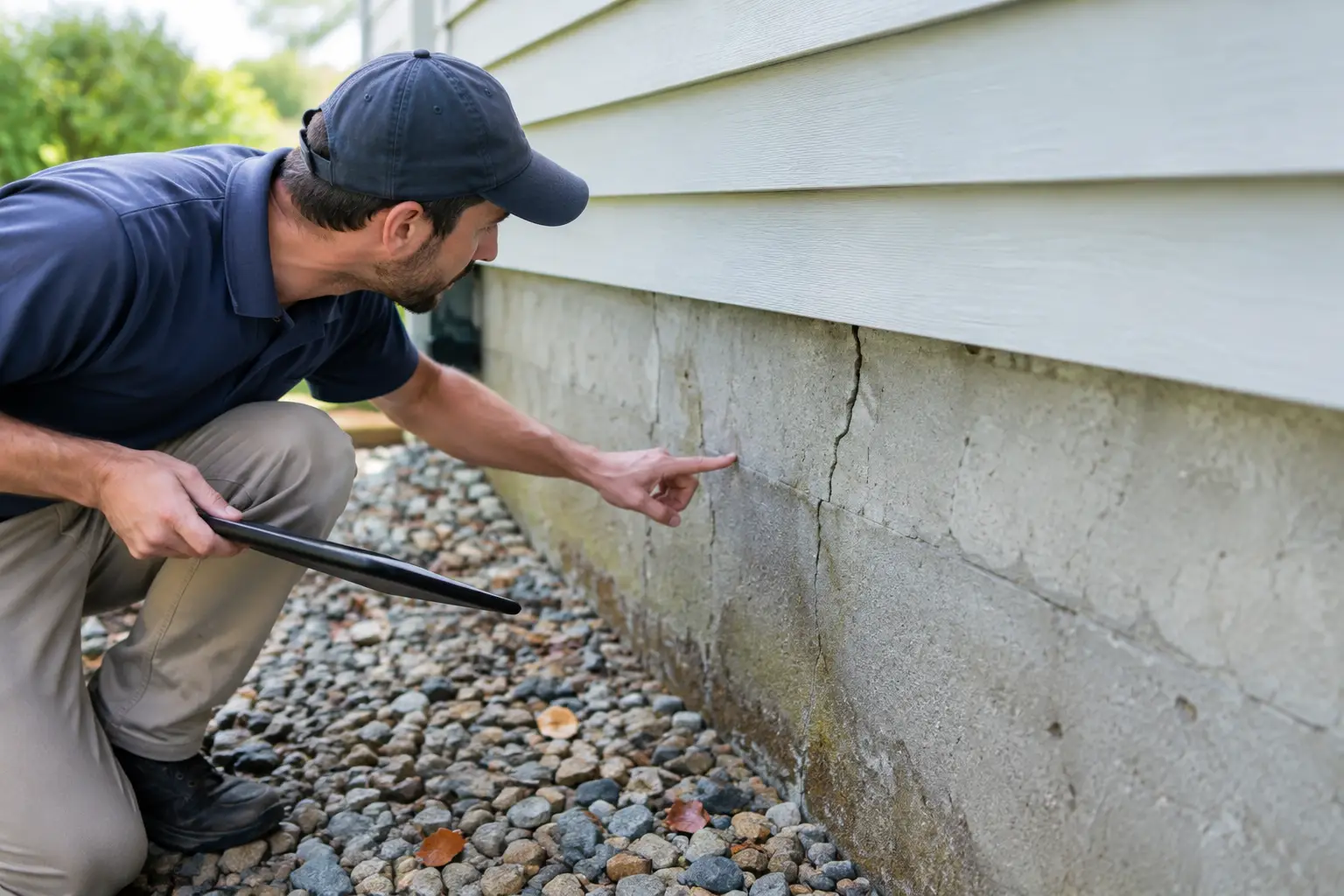
Not every crack is serious, and not every stain means active leaking. Still, structure and moisture are two categories buyers should never skim past.
Look closely at notes related to foundation movement, significant wall cracks, uneven floors, roof leaks, drainage problems, water intrusion, damaged framing, or signs of long-term moisture in attics, crawlspaces, bathrooms, or around windows. In Texas, where heat, expansive soils, storms, and humidity can all play a role, these findings matter.
Sometimes the report will recommend further evaluation by a specialist. That does not automatically mean the worst. It means the inspector saw something that deserves a more targeted opinion before you close.
Major systems affect your near-term budget
After safety and structural concerns, focus on the systems that are expensive to repair or replace. That usually means roofing, HVAC, electrical, plumbing, and water heating.
Pay attention to the age, condition, and performance notes. An air conditioning system may be working at the time of inspection but still be near the end of its typical service life. A roof may not be actively leaking but could show wear that suggests budgeting for replacement sooner rather than later. A water heater might function normally while showing corrosion or improper installation details that should be corrected.
This is where buyers can make better decisions. The home may still be worth buying, but the report helps you understand what the first few years of ownership may really cost.
Read the comments and photos together
Inspection reports are easier to understand when you slow down and match each written comment to its photo. The photo shows where the issue is. The note explains why it matters.
Do not just read the label, such as deficient, marginal, or monitor. Those category words can vary by report style. The inspector’s actual explanation usually tells you more than the checkbox does.
For example, a note about a plumbing leak under a sink may be a straightforward repair. A note about widespread evidence of prior repairs, staining, and high moisture readings around the same area tells a different story. Context matters.
The photos can also help you build a repair request later. If the report includes clear visual documentation, you can quickly identify which findings are objective, visible, and appropriate to bring back to the seller.
Know what is common and what is costly
One of the most useful parts of learning how to read a home inspection report is knowing the difference between normal home maintenance and more serious defects.
Common items in many reports include minor caulking gaps, reversed hot and cold at a sink, a missing GFCI label, worn weatherstripping, small drywall cracks, slow drains, or windows that need adjustment. These are worth noting, but they usually do not define the transaction.
Costlier concerns tend to involve roof replacement, foundation movement, sewer line problems, electrical panel defects, HVAC failure, hidden leaks, significant rot, or wood-destroying insect damage. These are the findings that deserve more attention because they can affect both livability and negotiating leverage.
That does not mean every expensive issue should kill the deal. It means you should understand the scope, ask follow-up questions, and make the decision with your eyes open.
Watch for language that signals uncertainty
Home inspectors report what they can observe at the time of the inspection. They do not open walls, predict exactly when a system will fail, or guarantee future performance. Because of that, report wording matters.
Phrases like appeared serviceable, recommend monitoring, further evaluation advised, and not fully visible all signal that there are limits to what could be confirmed. That is normal. A professional report should be clear about both findings and limitations.
If an area was obstructed by stored items, locked spaces, furniture, or weather conditions, the report may note that access was restricted. Take that seriously. Hidden areas can hide real issues, and limited visibility means you may want additional review before closing.
What to ask after you read the report
A strong report should not leave you guessing, but it is still normal to have questions. Once you finish reading, ask which findings are the highest priority, which items are routine maintenance, and which issues may need specialist evaluation or repair estimates.
This is also the right time to ask about timing. Some defects need attention immediately. Others can wait six months or a year. That difference matters when you are deciding what to negotiate and what to budget for after move-in.
If your report includes repair request tools or a summary format designed for negotiations, use them carefully. Ask for repairs or concessions based on meaningful defects, safety items, active leaks, or failing systems – not on every small maintenance note in the report. A focused request is often more effective than a long list of minor items.
How to read a home inspection report without overreacting
The goal is not to find a perfect house. The goal is to find a house you understand.
Every home has defects, especially resale homes. A clean-looking property can still have hidden drainage issues or an aging HVAC system. On the other hand, a report with many pages may simply reflect a careful inspector documenting a mix of small repairs and standard maintenance items.
The better question is not, Is this house flawless? It is, Can I move forward with confidence based on the true condition of the property, the likely repair costs, and the level of risk I am willing to accept?
That is where a detailed, organized inspection report becomes one of the most valuable parts of the buying process. It helps you avoid costly surprises, negotiate from a stronger position, and plan for ownership with fewer blind spots. Companies like CK Inspections build reports to make that process clearer, not more confusing.
When you read the report with priorities in mind, the document stops feeling like bad news and starts doing its real job – protecting your investment before the closing table.