A home can look move-in ready during a showing and still hide problems that cost thousands after closing. That is exactly how home inspections protect buyers – by giving you a clearer picture of the property before the purchase becomes final. When you are making one of the biggest financial decisions of your life, you should not have to rely on fresh paint, staged furniture, or a seller disclosure alone.
For buyers in Houston, Cypress, Katy, and surrounding Texas communities, that protection matters even more than many people realize. Heat, humidity, heavy rains, shifting soils, aging systems, and deferred maintenance can all affect a home in ways that are not obvious during a walk-through. A professional inspection helps bring those conditions into view so you can move forward with more confidence and fewer surprises.
How home inspections protect buyers before closing
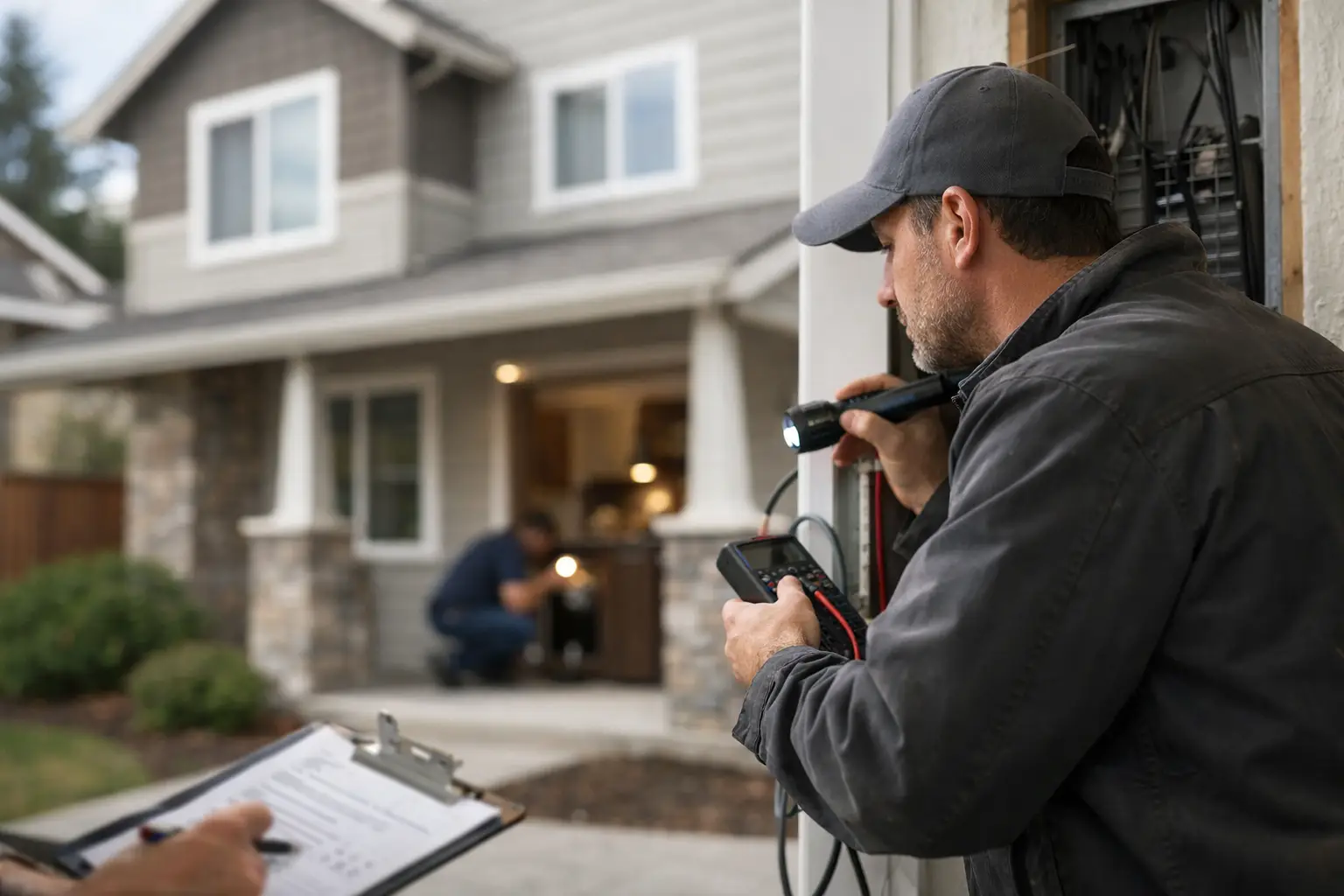
The biggest benefit of an inspection is simple: it replaces guesswork with information. A qualified inspector evaluates the home’s major systems and components, including the structure, roof, electrical, plumbing, HVAC, and interior features, to identify visible deficiencies and performance concerns. That does not mean every home is either good or bad. Most homes, including well-kept ones, have a mix of normal wear, maintenance needs, and more serious defects.
That distinction matters. Buyers often assume the inspection is only about finding deal-breaking problems. In reality, it is also about understanding what you are buying, what may need attention soon, and what could affect your budget after move-in. If the air conditioning is cooling today but showing signs of age, that is different from a system that is already failing. If the roof has a few repairable issues, that is different from widespread deterioration. A good inspection helps you see those differences clearly.
It also gives buyers leverage at the right time. Before closing, you may have options to request repairs, negotiate credits, adjust the purchase price, or simply decide whether the risk still makes sense. After closing, those same issues usually become your responsibility.
Hidden defects are where buyers get hurt
Most costly home problems are not dramatic at first. They often start quietly behind walls, above ceilings, under sinks, or in the attic. A small plumbing leak can lead to damaged materials and microbial growth. An overloaded electrical panel may not show obvious warning signs during a showing. Roof problems can remain unnoticed until the next heavy storm.
This is where inspections become a form of financial protection. The purpose is not to create fear. It is to spot conditions that deserve attention before you commit. Even when a defect does not stop the transaction, knowing about it early gives you a chance to price that risk realistically.
For example, a buyer might be comfortable purchasing a home with an older water heater, worn exterior caulking, or minor grading concerns if those issues are documented and understood. What catches people off guard are the hidden problems they did not budget for – active leaks, unsafe wiring, foundation movement, poor drainage, sewer line defects, or HVAC equipment near the end of its service life.
Safety matters just as much as cost
People often focus on inspections as a way to avoid repair bills, but safety is just as important. A thorough home inspection can identify conditions that may put occupants at risk, such as missing GFCI protection, double-tapped breakers, improper venting, loose handrails, damaged roofing materials, or signs of structural movement.
Not every safety concern is an emergency, and not every older home will meet modern building practices. That is where experience and clear reporting matter. Buyers need to know what is a material safety issue, what is a recommended update, and what is simply common for a home of that age. Overstating problems creates confusion. Understating them creates risk. The right inspection report helps buyers stay grounded and informed.
Reports help buyers make decisions, not just collect defects
An inspection only protects you if the findings are organized in a way that makes sense. Buyers should not have to decode vague notes or sort through technical language without context. Clear reports with photos, straightforward descriptions, and practical recommendations make a major difference.
That is especially important when multiple issues show up at once. A house may have ten findings, but they are not all equal. Some are maintenance items. Some deserve monitoring. Some should be addressed before closing or soon after move-in. A modern, well-structured report helps buyers prioritize rather than panic.
This is also where post-inspection support adds real value. Questions usually come after the appointment, when the report has been reviewed, repair requests are being discussed, and the scope of concerns becomes more real. Buyers benefit from having an inspector who does not disappear once the file is delivered.
How inspections support negotiations
One of the most practical answers to how home inspections protect buyers is that they strengthen your position during negotiations. When defects are documented clearly, conversations with sellers become more focused and more reasonable. Instead of relying on assumptions, buyers can point to specific conditions and documented concerns.
That does not guarantee the seller will agree to every request. Market conditions matter. In a highly competitive market, some buyers choose to accept more risk to win the home. In a slower market, they may have more room to negotiate repairs or credits. The inspection is still valuable in both cases because it helps buyers make that choice knowingly.
This is where repair request tools and organized reporting can make the process smoother for both buyers and agents. Clear documentation helps keep negotiations centered on material issues instead of turning into a long, unfocused back-and-forth over every small cosmetic item.
Specialized inspections can reveal what standard walk-throughs miss
Some risks are better evaluated with targeted add-on services. Depending on the property, a wood-destroying insect inspection, sewer line camera inspection, thermal imaging scan, or pool and spa inspection can uncover problems that a standard showing would never reveal.
In Texas, these services can be especially helpful. Moisture intrusion, drainage issues, hidden plumbing concerns, termite activity, and aging sewer lines are not rare problems. A thermal imaging scan may help identify temperature anomalies associated with moisture or insulation issues. A sewer camera inspection can expose breaks, blockages, or root intrusion in buried lines. A pool inspection can identify equipment and safety concerns that carry significant repair costs.
It depends on the property. Not every home needs every add-on. But when a house has signs of age, past repairs, drainage concerns, or features like a pool, these additional services can provide another layer of protection.
First-time buyers often benefit the most
First-time buyers are especially vulnerable to buying based on emotion. That is understandable. Purchasing a home is exciting, stressful, and time-sensitive. It is easy to focus on layout, finishes, and neighborhood appeal while overlooking the condition of the systems that actually keep the home functioning.
A home inspection brings the decision back to fundamentals. Is the structure performing as expected? Is the electrical system serviceable? Are there signs of active leaks? Is the HVAC system operating properly? Are there roof concerns that may shorten its remaining life? Those answers help first-time buyers feel less like they are taking a blind leap.
The same is true for experienced buyers, too. Even if you have owned homes before, every property has its own history, maintenance habits, and hidden risks. Familiarity with homeownership does not replace a professional evaluation.
An inspection is not a guarantee, but it is strong protection
It is important to be realistic about what an inspection can and cannot do. A visual home inspection is not a warranty, and it cannot predict every future failure. Inspectors cannot see through walls or guarantee how long any system will last. Houses are complex, and conditions can change.
But that does not reduce the value of the process. A professional inspection is one of the best opportunities buyers have to identify visible defects, understand current conditions, and reduce the chance of walking into major unexpected costs. Protection does not mean perfection. It means making a better-informed decision with professional guidance.
For many buyers, the inspection fee is small compared to the financial exposure of skipping it. Missing one major roofing problem, plumbing issue, foundation concern, or electrical defect can cost far more than the inspection itself.
That is why companies like CK Inspections focus so heavily on detailed reporting, visual documentation, and buyer support. The goal is not just to point out defects. It is to help people avoid costly surprises and move forward with confidence.
Buying a home will always involve some level of risk, but it should never feel like guesswork. The right inspection gives you a clearer view of what you are taking on, what may need attention, and whether the home still makes sense for your budget, timeline, and peace of mind.