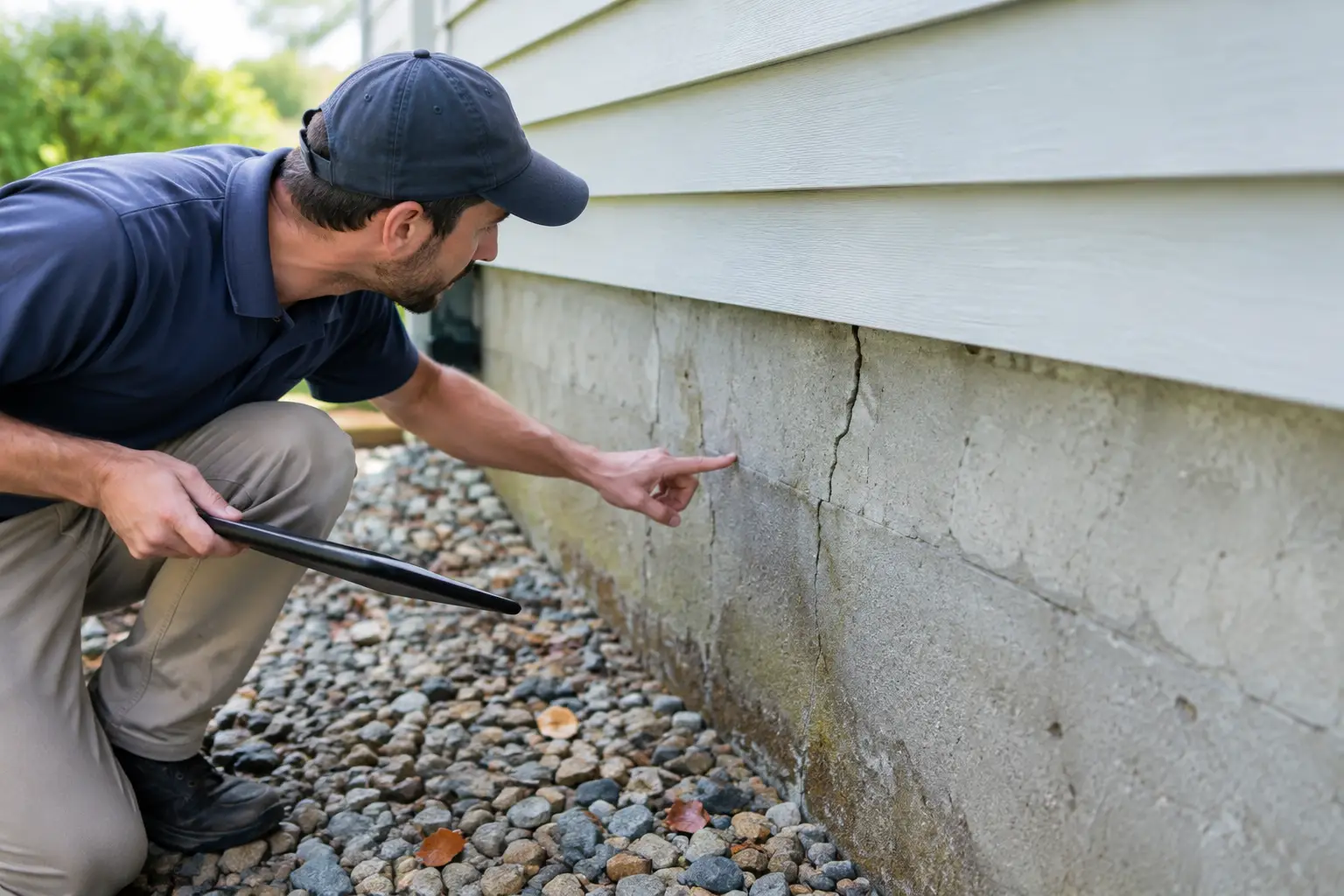

A termite problem rarely begins with an obvious hole in a wall or a collapsed floor. More often, it starts quietly where wood, moisture, and soil meet: beneath a porch, behind exterior cladding, around a plumbing penetration, or inside a damp section of framing. By the time visible damage appears, the insects may have been feeding for months or longer.
For Texas homebuyers, effective termite prevention methods are less about one magic treatment and more about controlling the conditions that attract termites and creating opportunities to catch activity early. That matters before you buy, because a clean-looking home can still have conditions that increase wood-destroying insect risk.
Why Texas Homes Need a Prevention Plan
Subterranean termites are a common concern across Greater Houston and nearby communities. They live in the soil and need moisture to survive, which makes our warm climate, seasonal heavy rain, and humid conditions especially relevant. These termites can travel through concealed mud tubes from the ground to a home’s wood components without being noticed from the outside.
No home is completely termite-proof. A slab foundation does not eliminate risk, and neither does a newer build. Termites can enter through small gaps around utility lines, expansion joints, cracks, or areas where exterior materials sit too close to the soil. Prevention reduces the odds and makes problems easier to identify before extensive repairs are needed.
Termite Prevention Methods That Address the Cause
The most useful prevention steps focus on moisture management, proper clearance, and routine observation. They are practical measures homeowners can maintain over time, not cosmetic projects that only make a property look better.
Keep Water Moving Away From the Foundation
Water management is one of the most important defenses against termite-friendly conditions. Gutters should discharge water well away from the foundation through properly placed extensions or drainage solutions. The soil around the home should slope away from the structure so water does not pond beside exterior walls after rainfall.
Also watch for dripping hose bibs, leaking irrigation components, slow plumbing leaks, and air-conditioning condensate lines that keep one area of soil wet. A small, persistent water source can create the kind of damp environment termites prefer. Fixing leaks promptly protects more than wood framing – it can also help prevent foundation moisture concerns and deterioration around exterior materials.
Maintain a Clear Gap Between Soil and Wood
Wood-to-soil contact gives termites a direct path to food. Fence posts, landscape timbers, wood siding, deck framing, steps, and stored lumber deserve careful attention when they touch or sit very close to the ground.
Exterior siding and trim should not be buried by mulch, soil, or decorative stone. When landscaping is piled high against the wall, it may conceal termite tubes and reduce the visible clearance an inspector or pest professional needs to evaluate the area. A clean, visible foundation perimeter is not always possible on every home, but it is a worthwhile goal.
Mulch is not automatically a termite problem. It can help retain moisture in landscaping beds and may make inspections more difficult when installed too deeply against the house. Keep it pulled back from the exterior wall, avoid excessive depth, and choose landscaping practices that allow the lower wall and foundation edge to remain visible.
Store Wood and Organic Debris Away From the Home
Firewood, old lumber, cardboard, tree stumps, fallen branches, and construction debris can provide food and shelter for termites. Keep these materials off the ground when possible and store them away from the house rather than against exterior walls.
This is especially relevant after a renovation, storm cleanup, or move. A stack of leftover lumber beside the garage may seem temporary, but temporary piles have a way of becoming permanent. Clearing them gives you a cleaner exterior and removes a potential attractant near the structure.
Check Exterior Features That Can Hold Moisture
Decks, porches, fences, window trim, and door frames are exposed to weather and deserve periodic review. Look for peeling paint, soft wood, open caulk joints, damaged flashing, or areas where water repeatedly splashes against the structure. These conditions do not prove termite activity, but deteriorated wood and recurring moisture can make a property more vulnerable.
Pay close attention to additions and exterior upgrades. A new patio, raised planter, storage shed, or deck can change drainage patterns or reduce access around the foundation. Before making improvements, consider whether they will create concealed wood-to-soil contact or block future inspection access.
Know the Early Signs Without Assuming the Cause
Termite evidence can be subtle, and several conditions can resemble one another. Mud tubes on foundation walls, piers, plumbing penetrations, or garage walls are a common sign of subterranean termite travel. Tubes may be thin, brown, and easy to overlook. Do not simply knock them down and assume the issue is resolved. Their presence warrants evaluation because termites may still be active elsewhere.
Other warning signs include wood that sounds hollow when tapped, bubbling or distorted paint, doors or windows that suddenly bind, and trim that feels soft or damaged. These signs can also result from water intrusion, wood rot, or normal building movement. That is why a professional evaluation matters. The goal is not to guess at the cause but to identify the condition accurately and determine the next appropriate step.
Swarming insects are another reason to pay attention. Termite swarmers can be confused with flying ants, but discarded wings near windowsills, light fixtures, or doors may indicate that a colony is nearby. If you see them, document the location and contact a qualified pest professional for identification and treatment advice.
What Homebuyers Should Do Before Closing
A general home inspection provides valuable information about a property’s visible condition, but wood-destroying insect concerns often call for a separate, specialized inspection. Before closing, ask for a wood-destroying insect inspection by a properly qualified professional, especially if you see prior treatment records, damaged exterior wood, poor drainage, heavy vegetation near the home, or visible signs that need clarification.
Review any available documentation carefully. A prior termite treatment does not necessarily mean there is a current infestation, and the absence of records does not prove a home has never had one. Ask what was treated, when the work occurred, whether a warranty is transferable, and whether there are recommendations for ongoing monitoring or renewal.
During the inspection period, do not overlook inaccessible areas. Stored belongings in a garage, dense shrubs against the home, thick ground cover, or a cluttered crawlspace can limit what any inspector can see. If an area is blocked, ask whether access should be improved before you make a final decision. Clear information is far more useful than assumptions when you are buying a home.
CK Inspections helps buyers understand visible property conditions and identify when specialized evaluation is appropriate, so concerns can be addressed with clearer information before closing.
Ongoing Prevention After You Move In
Termite prevention is a maintenance habit, not a one-time project. Walk the exterior a few times each year, particularly after periods of heavy rain. Look along the foundation, around utility penetrations, beneath decks, near hose connections, and at areas where landscaping meets the structure.
Keep gutters clear, correct drainage concerns, trim shrubs away from walls, and avoid allowing soil or mulch to rise against siding. If your home is under a termite service plan, understand the inspection schedule, what the agreement covers, and the steps required to keep coverage active. Treatment and warranty options vary, so read the agreement rather than relying on a verbal description.
Some properties need closer attention than others. Homes with crawlspaces, extensive wood landscaping, drainage challenges, previous activity, or nearby mature trees may require more frequent observation. That does not mean the home is a bad investment. It means the maintenance plan should match the property.
A home should not become a source of anxiety after closing. Stay attentive to drainage, keep the exterior accessible, and arrange qualified evaluation whenever a warning sign appears. Those simple habits can help protect your investment long before a small termite concern becomes a costly surprise.