
A new home can look finished, clean, and ready for move-in while still carrying defects that deserve attention. Builder warranties offer valuable protection, but they are not a substitute for a careful review of the home before closing. For Texas buyers, understanding builder warranties means knowing what is covered, what is excluded, and how quickly you need to act when a problem appears.
A warranty is only as useful as the documentation, deadlines, and follow-through behind it. Don’t Buy Blind simply because the home is new. An independent inspection can help you identify concerns early, document their condition, and give the builder an opportunity to address them before they become your problem.
What Builder Warranties Usually Cover
Most production and custom builders provide a written warranty for newly constructed homes. The details vary by builder and contract, but many follow a structure commonly described as one-year, two-year, and ten-year coverage. Those timeframes are common, not universal. Buyers should read their own warranty documents rather than assume every new home receives the same protection.
The first year often covers workmanship and materials. This may include concerns such as improperly installed doors, trim issues, cabinet defects, drywall cracking beyond normal settlement standards, or plumbing and electrical items that do not perform as intended. The builder may have specific standards for what qualifies as a warrantable defect, especially for cosmetic items.
Two-year coverage often applies to certain mechanical systems, such as electrical, plumbing, and HVAC components. The exact wording matters. A warranty may cover a defect caused by installation but exclude routine maintenance, owner damage, clogged drains, or a manufacturer issue covered under a separate product warranty.
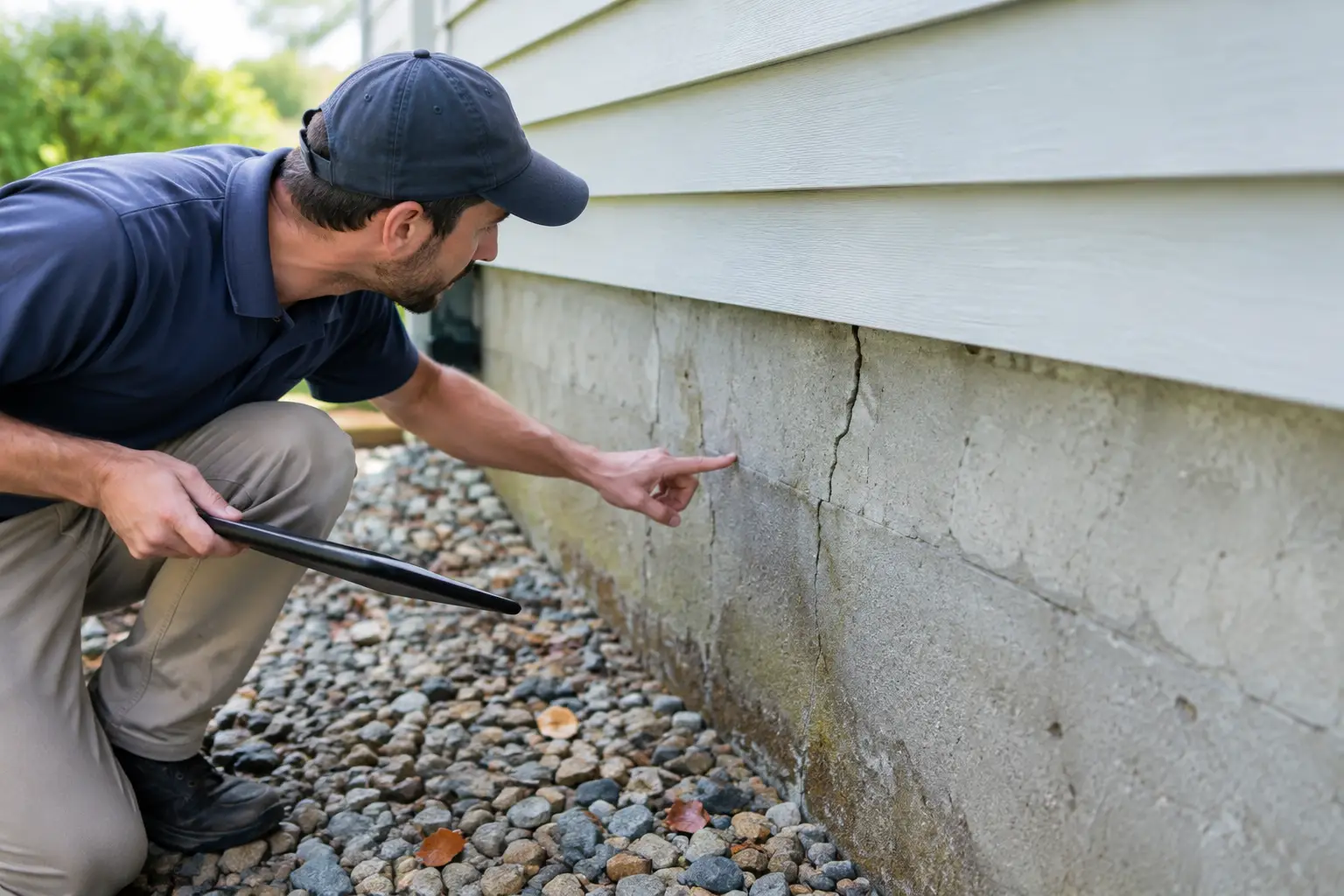
Longer structural coverage may apply to major load-bearing components, including the foundation, framing, and other elements identified in the warranty agreement. Structural coverage is not a promise that every crack, movement, or settling concern will be repaired. The warranty will usually define a structural defect narrowly and may require that the issue materially affects the home’s ability to perform its intended function.
A Builder Warranty Is Not Home Insurance
This distinction protects buyers from a common misunderstanding. Homeowners insurance generally addresses sudden, accidental losses from covered events, such as certain storm damage, fire, or water losses. A builder warranty addresses qualifying defects in construction, materials, or installation during a limited period.
Neither one is designed to cover every expense that comes with owning a home. Normal wear, poor maintenance, damage caused by the homeowner, landscaping drainage changes, pest activity, and many weather-related events may fall outside warranty coverage. In the Houston area, where expansive soils, intense rain, heat, and humidity can affect a property, proper maintenance and drainage management still matter after you receive the keys.
Product warranties are another category. The manufacturer may warrant an appliance, water heater, air conditioning equipment, roof shingle, window, or other component. Those warranties may have different terms, registration requirements, and claim procedures than the builder’s written warranty. Keep all closing documents, manuals, warranty certificates, and service records in one organized location.
Why a New Home Inspection Still Makes Sense
The builder has crews, supervisors, and quality-control processes. Those are valuable, but they do not eliminate the buyer’s need for independent representation. Construction moves quickly, multiple trades work on the same home, and small details can be missed or left incomplete.
An independent inspection gives buyers a practical assessment of the home at a point when many items can still be corrected through the builder. The goal is not to create an unreasonable punch list or expect perfection. It is to identify defects, safety concerns, incomplete work, and conditions that should be evaluated before closing or documented for warranty follow-up.
A thorough report also creates a record. If an item is visible before closing and later becomes a larger concern, dated photos and clear written observations can help establish when it was first identified. That does not guarantee a warranty claim, but it gives you better information and a stronger basis for a productive conversation with the builder.
CK Inspections approaches new construction with the same consumer-first focus used for resale homes: clear findings, visual documentation, and straightforward explanations of what deserves attention now.
The Best Times to Use an Inspection
Timing depends on the construction schedule and the builder’s policies. A final inspection before closing is the most common opportunity, but it is not always the only useful one. If the builder allows access, a pre-drywall inspection can identify concerns while framing, plumbing, electrical, and mechanical rough-ins are still visible.
The final inspection should take place before your final walk-through whenever possible. This gives you time to provide the builder with the report and request repairs or further evaluation. Waiting until closing day can create unnecessary pressure. You may have limited time to review findings, and the builder may not be able to address legitimate concerns before possession.
Many buyers also schedule an 11-month warranty inspection. This happens before the first-year workmanship coverage expires and can be especially useful after the home has been lived in through changing weather conditions. Doors, trim, flooring, drainage, HVAC performance, and other systems may reveal issues that were not apparent at closing.
Read the Fine Print Before You Need It
Warranty documents often include notice requirements, dispute procedures, exclusions, and repair rights that buyers do not notice until a problem arises. Read these sections before closing, not after a claim is denied.
Pay close attention to how a claim must be submitted. The builder may require written notice through a customer portal, email address, or designated warranty representative. A phone call to a sales representative may not meet the contract requirement. Record the date, the issue, the communication method, and any response you receive.
Also look for the builder’s right to inspect and repair the condition. In many cases, the warranty gives the builder a reasonable opportunity to evaluate the issue and choose an appropriate repair method. Hiring someone else to make changes before notifying the builder can complicate a future claim. If there is a safety issue or active damage, protect the property and seek appropriate guidance promptly, but document the condition first when possible.
Texas buyers should also understand that written warranties are not the only potential legal consideration. State law may recognize certain implied warranties related to new-home construction, and contract language can affect those rights. Warranty and construction disputes can be fact-specific, so an attorney is the right resource for legal advice about your contract or a denied claim.
What to Document Before Closing
A warranty claim becomes easier to discuss when the details are organized. Before closing, keep copies of your signed contract, warranty booklet, addenda, final inspection report, builder repair responses, and final walk-through notes. Take clear photos of unfinished or disputed items and save them with the date.
During your walk-through, verify that agreed repairs are complete and that the home’s major systems are operating. Make sure you know where the main water shutoff, electrical panel, gas shutoff if applicable, HVAC filters, attic access, and irrigation controls are located. Ask for appliance manuals, paint information, flooring care instructions, and all transferable product warranty paperwork.
It also helps to understand maintenance responsibilities from day one. Change HVAC filters as recommended, maintain caulking where needed, monitor drainage around the foundation, clean gutters when applicable, and address small leaks quickly. A builder warranty can address qualifying defects, but deferred maintenance can create preventable damage and disagreements about responsibility.
Use the Warranty Period Wisely
The most effective approach is simple: inspect carefully, document clearly, communicate in writing, and do not wait until the last week of coverage to raise a concern. A new home is a major investment, and a warranty is a limited window to make sure the work you paid for meets reasonable expectations.
Before you close, give yourself the benefit of independent information. A careful inspection and a clear understanding of your builder warranty can help you move into your new home with more confidence and fewer costly surprises.